 Subscribe

Three ways to manage your mortgage debt in retirement
More Australians are approaching retirement with mortgage debt. From tapping into super to downsizing, here are three ways to reduce the burden.


- More than half of Australians aged 50 to 59 still have a mortgage, raising concerns about debt carrying into retirement.
- Using super to pay down a home loan can reduce repayments, but may leave retirees with less income.
- Downsizing or accessing equity in the family home offers alternatives, although fees, borrowing costs and Age Pension entitlements need careful consideration.
The cosy, somewhat old-fashioned myth about retirement is that your mortgage will be paid off beforehand, and you’ll have a nice bucket of super ready to fund ‘the good life’
This may have been true once, but it’s fast changing.
Currently, about 17% of retirees still have a home loan. But among 50-59-year-olds approaching retirement, more than half still carry mortgage debt.
This is variously reported to be $200,000-$300,000, a substantial burden in your retirement years. If you are keen to wipe out, or substantially reduce, this debt, what are your options?
Secure accommodation is a defining characteristic of a reasonable retirement, so having a mortgage is also concrete evidence that you have the most important asset of all.
But if mortgage repayments are pressuring your retirement finances, there are three main options worth considering.
Using super to pay debt down
About 20 per cent of Australians aged over 65 who withdrew lump sums from their super used the money for housing-related expenses, including paying off mortgages, according to research published by superannuation provider MLC.
You can do this from age 60 onwards, when you reach Preservation Age (provided you meet the other conditions of release).
If you do, you can access your super as a lump sum, pay down your home debt, and continue to work and contribute to super if you want to bump it back up (but you must meet further conditions).
The pros are a greatly reduced mortgage and therefore lower interest repayments. The cons are that there are also conditions attached if you wish to keep working, and you will have greatly reduced your retirement income (or Age Pension top-ups).
It’s important to project whether you might gain more by leaving money in super, which could be the case if your likely returns are higher than your current interest rate.
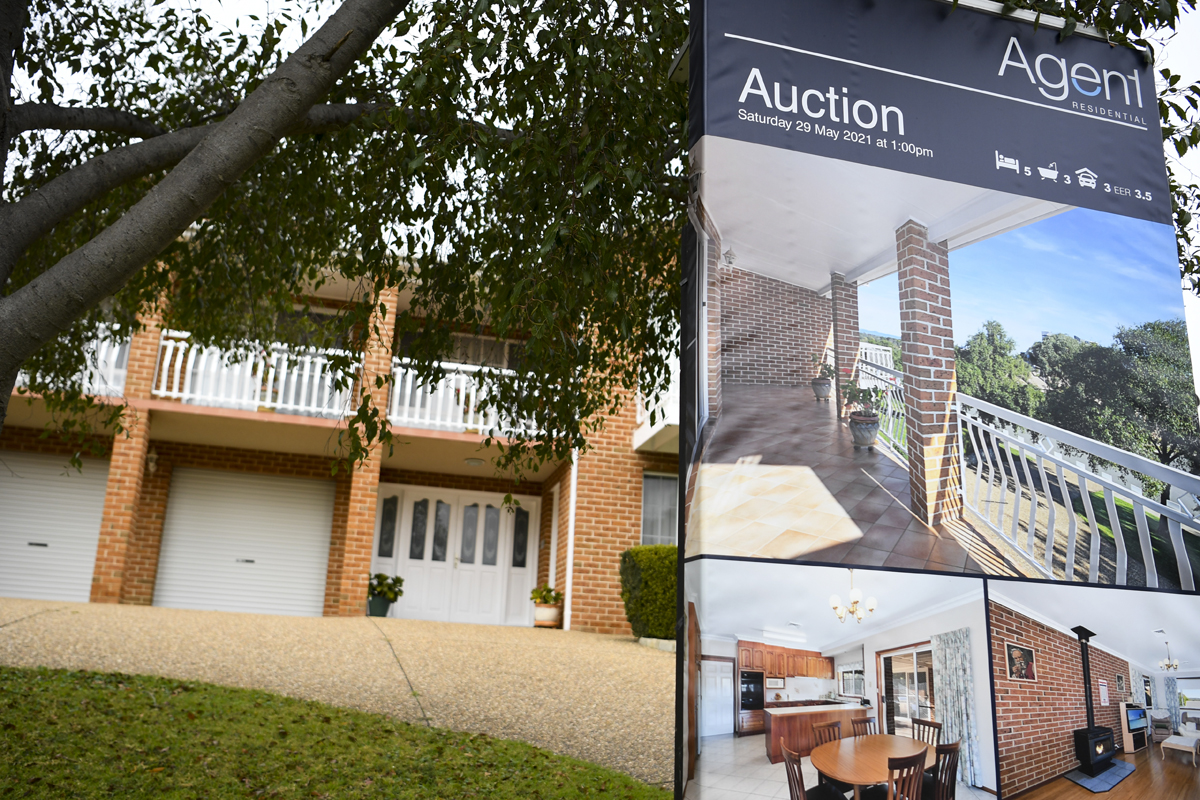
Downsize and pay off the mortgage
This solution is often more likely to be discussed than acted on. And there’s a reason for that.
Let’s say you are a couple living in a large 3-bedroom home with a garden, and it’s expensive to maintain. The theory of selling and relocating to a nearby apartment is that you can wipe out a mortgage and still have plenty of cash left over to boost your retirement income.
But unless you sell and repurchase carefully, transaction costs (particularly stamp duty) may significantly reduce your surplus funds.
Emotional attachment is also a factor; many Australians love their neighbourhood and don’t wish to move too far away. However, there is an incentive: very generous downsizing legislation available to Australians aged 55 and over.
Such homeowners can deposit funds well above the regular super cap (up to $300,000 per person, $600,000 per couple). But remember, for Age Pension purposes, this money is now an assessable asset.
Access HEAS, a Reverse Mortgage or Home Reversion
While using this type of loan isn’t technically paying off debt, it lets you secure funds to add to your potential retirement income and enjoy a ‘repayment holiday’.
Not everyone wants to use super to pay down a mortgage; not everyone wants to sell and relocate. Softening house prices can also dissuade downsizers.
This is when accessing money in your home can provide a more appealing alternative. Let’s say you decide to take out a reverse mortgage.
The loan-to-value ratio (LVR) depends upon your age, but if you are 75, it could be 35%, so you could release $350,000 from a home valued at $1 million.
You could use this money to pay off an existing $200,000 mortgage, leaving $150,000.
However, reverse mortgages generally charge higher interest rates than standard home loans (9.95 per cent compared with 7.5 per cent).
While you don’t have to make repayments during your lifetime, interest continues to build on the $350,000 loan, increasing the amount eventually repaid from your estate.

The federal government’s Home Equity Access Scheme (HEAS) offers a much lower interest rate of 3.95 per cent, but comes with stricter conditions and generally lower borrowing limits.
Another option is a home reversion scheme, where you sell a share of your property’s future value, say 20 per cent, to a provider in exchange for cash.
Dianne Shepherd, CEO of Homesafe Wealth Release, said Australians needed to rethink the role of the family home in funding retirement, rather than relying solely on superannuation.
“For many Australians, their family home represents their greatest store of wealth, and it should be part of the conversation about how they fund a financially secure retirement,” she said.
Shepherd also said there was no single solution to managing mortgage debt in retirement, with downsizing appealing to some homeowners while others preferred to stay put for financial, family or emotional reasons.
“The important thing is that people understand the options available to them and the long-term implications of each.”
Your house is a financial asset, but where and how we live is highly emotional. Housing needs can change as we age.
Having choices to help leverage the savings in our homes is a powerful tool for retirees, but it’s critical to thoroughly explore and evaluate the ramifications of each option before you make a move.
Topics: Housing, Mortgage, Retirement