 Subscribe

Australia’s data centre boom and your power bill
Billions of dollars are flowing into Australia's data centre industry, but new modelling suggests the rapid expansion could come at a cost for households.

- Australia’s data centres could consume almost 10 per cent of the national grid’s electricity by 2050, more than seven times today’s levels.
- Households could face an extra $155 a year in wholesale electricity costs by 2050 under one modelling scenario.
- Billions in investment are flowing into data centres, but questions remain over who pays for the power infrastructure needed to support them.
As billions of dollars flow into Australia’s expanding data centre industry, questions are growing about the impact on household electricity bills.
Australia’s data centre boom has hit a stumbling block, with community opposition to electricity infrastructure upgrades delaying the expansion of a major Melbourne facility.
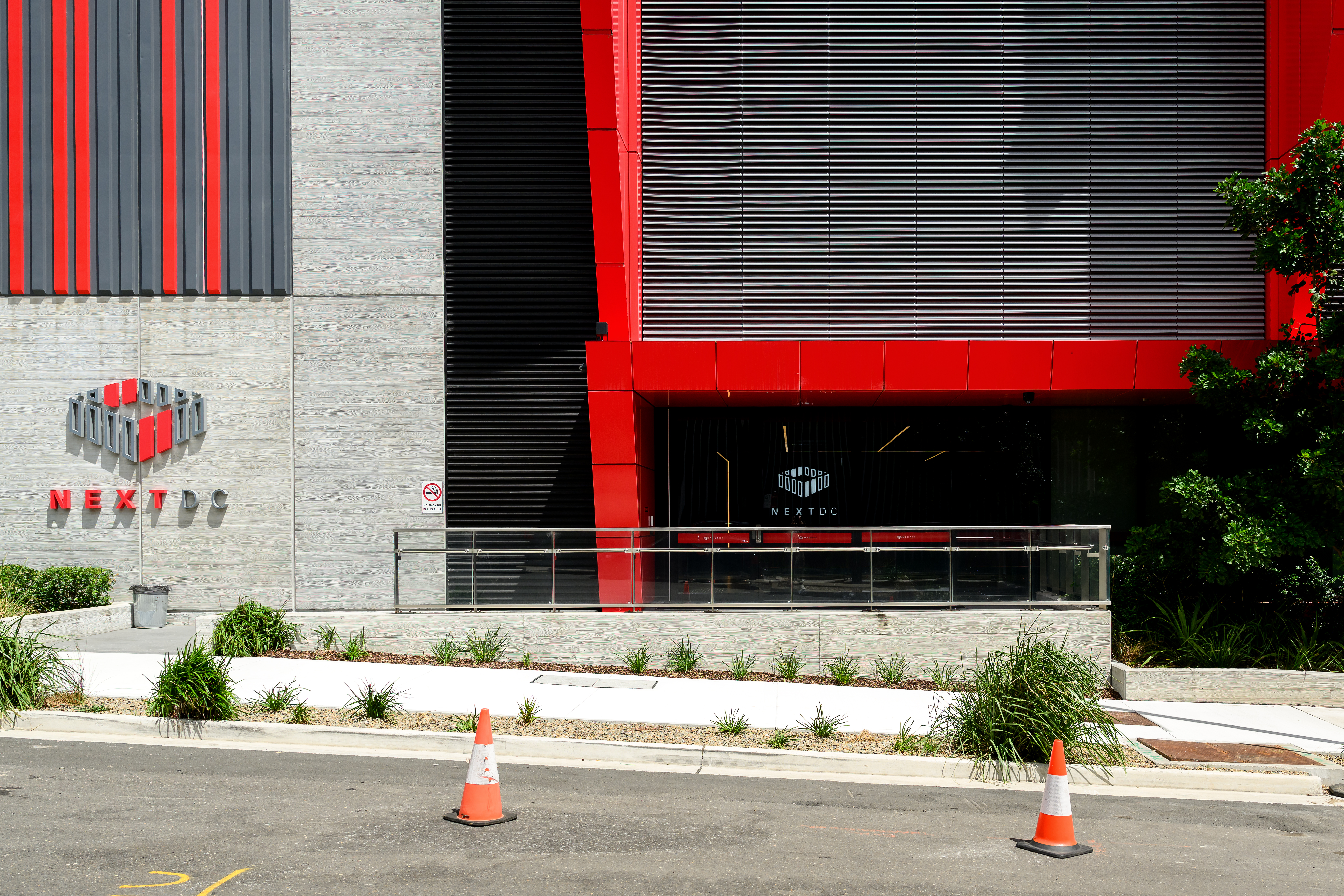
In October, data centre operator NextDC revealed delays to power upgrades at its West Footscray site would push back expansion plans, prompting a sharp fall in its share price.
Chris Weston, head of research at Pepperstone, told The Money Edition the situation presents a major industry challenge.
“Investors are discovering that securing capital is only half the battle,” Weston said. “Securing electricity, grid connections and community support is arguably the bigger challenge.”
Data centres bring investment and economic opportunities, but they also consume enormous amounts of electricity, which can require additional power generation, storage and network capacity.
So, as more facilities come online, what could that mean for household bills and who pays for the infrastructure needed to keep them running?

The costly issue
Australia’s electricity system relies on a constant balance between supply and demand. When demand rises, particularly during periods when electricity is already scarce, wholesale prices can jump.
Because wind and solar generation are weather-dependent, storage, backup power, and large electricity users’ ability to adjust consumption all help maintain that balance.
Dr Changlong Wang, an energy researcher at Monash University, has modelled how growing data centre electricity demand could affect Australia’s electricity system, using the Australian Energy Market Operator’s Step Change scenario forecast.
Under that scenario, data centres’ electricity use is expected to more than double by 2030, before rising to more than seven times today’s levels by 2050. By then, data centres could consume almost one in every 10 units of electricity used across Australia’s national grid.
Dr Wang said meeting this demand will require additional electricity generation, storage and network infrastructure.
“Large new loads can increase wholesale electricity prices, particularly when they keep drawing from the grid during already tight periods,” Dr Wang told The Money Edition.
Compared with a scenario where data centre electricity demand remains at 2026 levels, the modelling suggests wholesale electricity costs for other consumers could increase.
This assumes forecast data centre growth is supplied from the shared grid, without shifting computing away from periods when electricity supply is tight.
For a household using 5000 kilowatt-hours of electricity a year, that would be about $155 in additional annual wholesale electricity costs in 2050, in today’s dollars.
It’s worth noting that this is an illustrative scenario, not a prediction of what households will pay. It assumes the additional wholesale costs are passed on in full and doesn’t account for network charges, retail margins or other components of electricity bills.
Dr Wang said the outcome depends on how quickly data centres expand, where they connect to the grid and whether sufficient electricity supply is available.
“Higher bills are therefore a risk to manage, rather than an inevitable consequence of every new data centre,” Dr Wang said.
Monash’s modelling also found that shifting some data centre computing tasks away from periods of high electricity demand could save the electricity system up to $3.5 billion between 2026 and 2050.
The finding suggests that how data centres use electricity, rather than simply how much they consume, could significantly affect future costs.
Who pays for the infrastructure?
Powering new data centres can also require upgrades to electricity networks, including power lines and other infrastructure.
But that doesn’t automatically mean households foot the bill.
Dr Wang said developers generally pay for infrastructure dedicated to connecting their facilities to the electricity network.
The situation becomes more complicated when upgrades are needed to the wider network shared by households and businesses.
But if a data centre uses an electricity network that already has room for more demand, it could help spread existing infrastructure costs across more electricity consumption.
Ultimately, who pays depends on the type of upgrade, the relevant regulations and the connection arrangements.
Weston said the industry should bear the responsibility.
“My view is that data centre operators should fund their incremental infrastructure needs, rather than socialising those costs across existing electricity consumers,” he said.

What does Australia stand to gain?
Australia’s data centre boom is already attracting substantial investment.
Australian data centre operators raised at least $35 billion in financing through early September 2026, compared with $24 billion across 2025, according to the Reserve Bank of Australia.
Weston said the boom could represent one of Australia’s biggest private-sector infrastructure investment cycles since the mining boom.
But he cautioned that data centres are capital-intensive rather than labour-intensive, meaning large investment figures don’t necessarily translate into equally large numbers of permanent jobs.
“The economic prize won’t be building the infrastructure but if Australian businesses can translate that computing capacity into lasting productivity gains,” he said.
Research commissioned by industry body Data Centres Australia estimates the sector currently supports around 9,450 jobs, potentially rising to more than 23,000 ongoing jobs by 2030.
Data centres could also help fund new renewable energy projects through long-term electricity purchasing agreements.
But Dr Wang warned that securing enough renewable energy over a year doesn’t necessarily guarantee supply when electricity is scarce.
“The timing and dependability of supply matter,” he said.
Topics: Data Centres, Electricity Prices, Household budget