‘Truth over mythology’: Controversial brumby laws axed
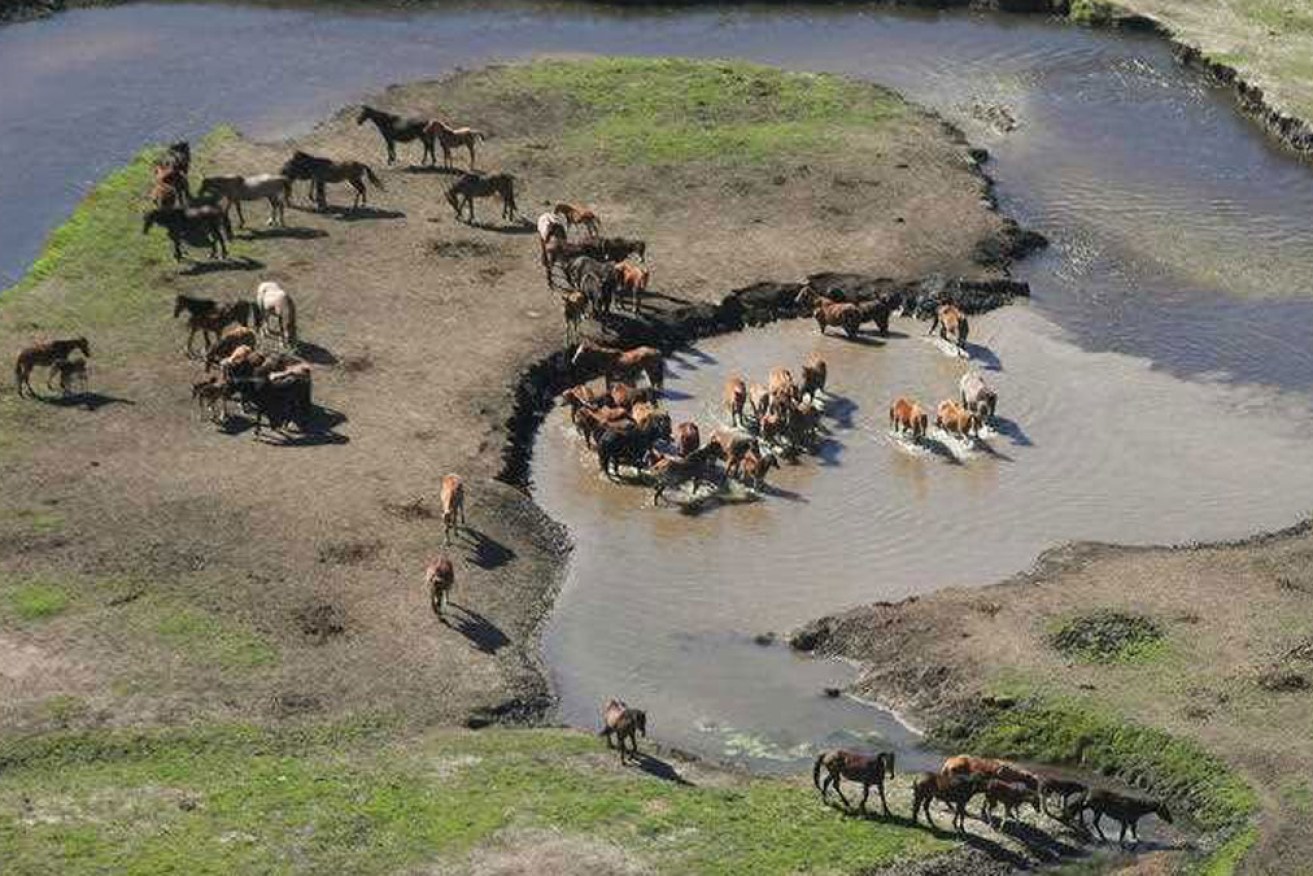
A surge in the number of brumbies has been blamed on the protection law. Photo: AAP
Controversial laws that gave a wild horse population preference over native species have been dumped by the NSW parliament.
A late-night parliamentary sitting repealed laws introduced by the NSW Nationals in 2018, which protected the “heritage value” of the brumby population within the Kosciuszko National Park.
Advocates have long argued the protection has helped destroy the park and preferences the brumbies over native species.
The repeal bill finally passed NSW parliament’s upper house nearing midnight on Thursday with backing from Labor, the Liberals and crossbench members, although the Nationals maintained their opposition.
“Today, Country can breathe again,” Invasive Species Council Indigenous Ambassador Richard Swain said.
“This is a victory for truth over mythology, and for those who have fought for generations to protect these high places and the life they hold … for years, we’ve watched the alpine wetlands dry out, the snow-grass trampled, the frogs and fish vanish.”
Independent MP Joe McGirr, whose electorate covers part of the park, introduced the bill to the lower house, blaming the laws for surging population numbers and a badly damaged environment.
Park operators have a mandated target of 3000 feral horses over nearly one-third of the park by mid-2027, with a controversial cull putting latest estimates at between 1579 and 5639 brumbies.
“The Wild Horse Heritage Act put symbolism ahead of science and ideology ahead of evidence – and our most fragile alpine landscapes paid the price,” McGirr said.
“(Repealing the laws) puts the protection of endangered species, alpine wetlands and drinking-water catchments back where it belongs – in the hands of our professional national parks staff.”
Before-and-after images of a controversial aerial brumby cull showed reduced bare ground, increased vegetation coverage and less soil damage and trampling of stream banks.
Water quality, threatened species and sensitive areas will all be monitored to track the park’s continued recovery.
–AAP
Want to see more stories from The New Daily in your Google search results?
- Click here to set The New Daily as a preferred source.
- Tick the box next to "The New Daily". That's it.