Top science stories of 2025: From DNA to MAGA

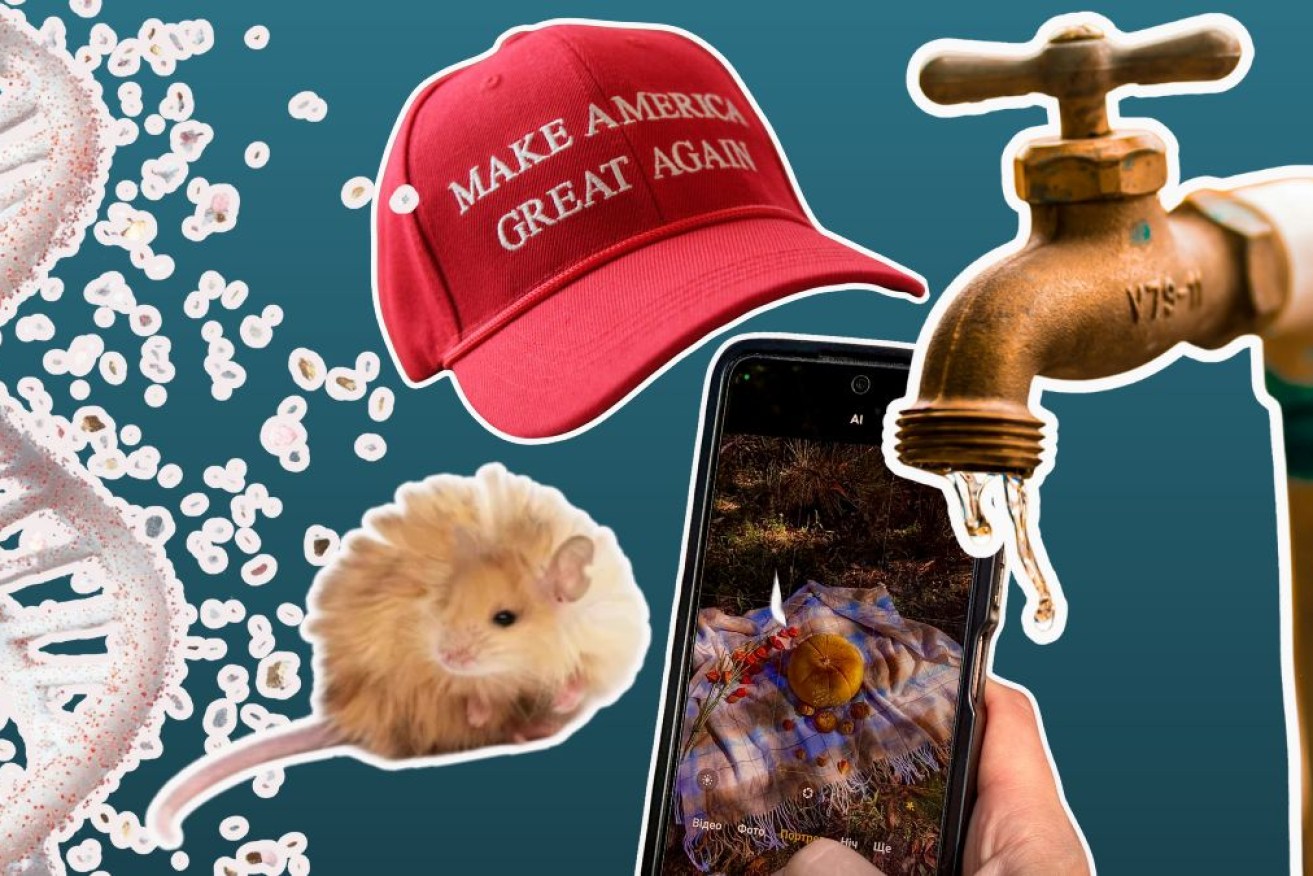
From DNA to MAGA, woolly mice and dodgy tap water, even social media –2025 has been a big year in science. Photo: TND
As 2025 winds to a close, let’s look back on another big year in science news, both globally and locally.
From the Trump administration to extinctions, and Australia’s world-leading teenage social media ban to a toxic algal bloom, these are the year’s best and biggest science yarns, as chosen by the Australian Science Media Centre.
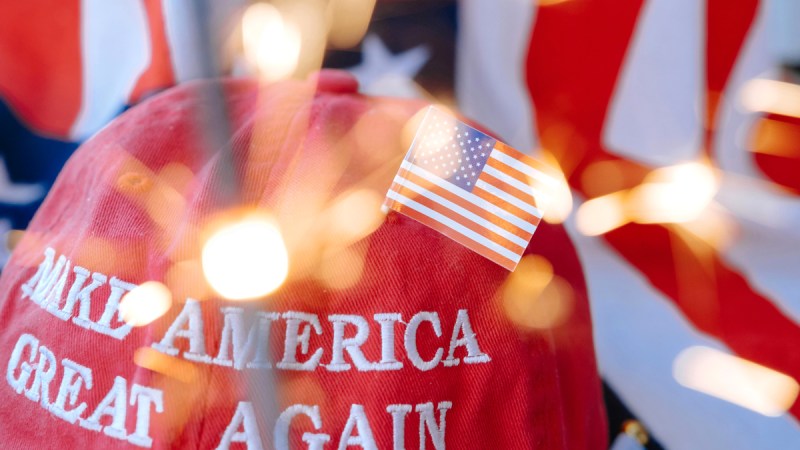
Trump’s administration has made several questionable science decisions this year. Photo: Unsplash
1. Trump administration goes to war … on science
The Trump administration has delivered body blows to global science and public health, beginning in January by withdrawing from the World Health Organisation and ditching the Paris Climate Agreement, again.
Within weeks, sweeping restrictions on the US National Institutes of Health froze grants, halted major projects and disrupted global research networks. Major cuts at other US science agencies followed, slashing environmental protections and climate monitoring.
In March, Australian researchers with US funding were shocked to receive a survey demanding they declare whether their projects focused on diversity, equity and inclusion – all part of the administration’s “war on woke”.
That same month, noted antivaxxer David Geier was appointed to lead an investigation into the long-debunked link between vaccines and autism.
Controversy intensified as the administration suggested taking paracetamol during pregnancy might cause autism in kids and promoted an unproven “treatment” for the condition – a drug called leucovorin. That was flagged as premature by Australian researchers.
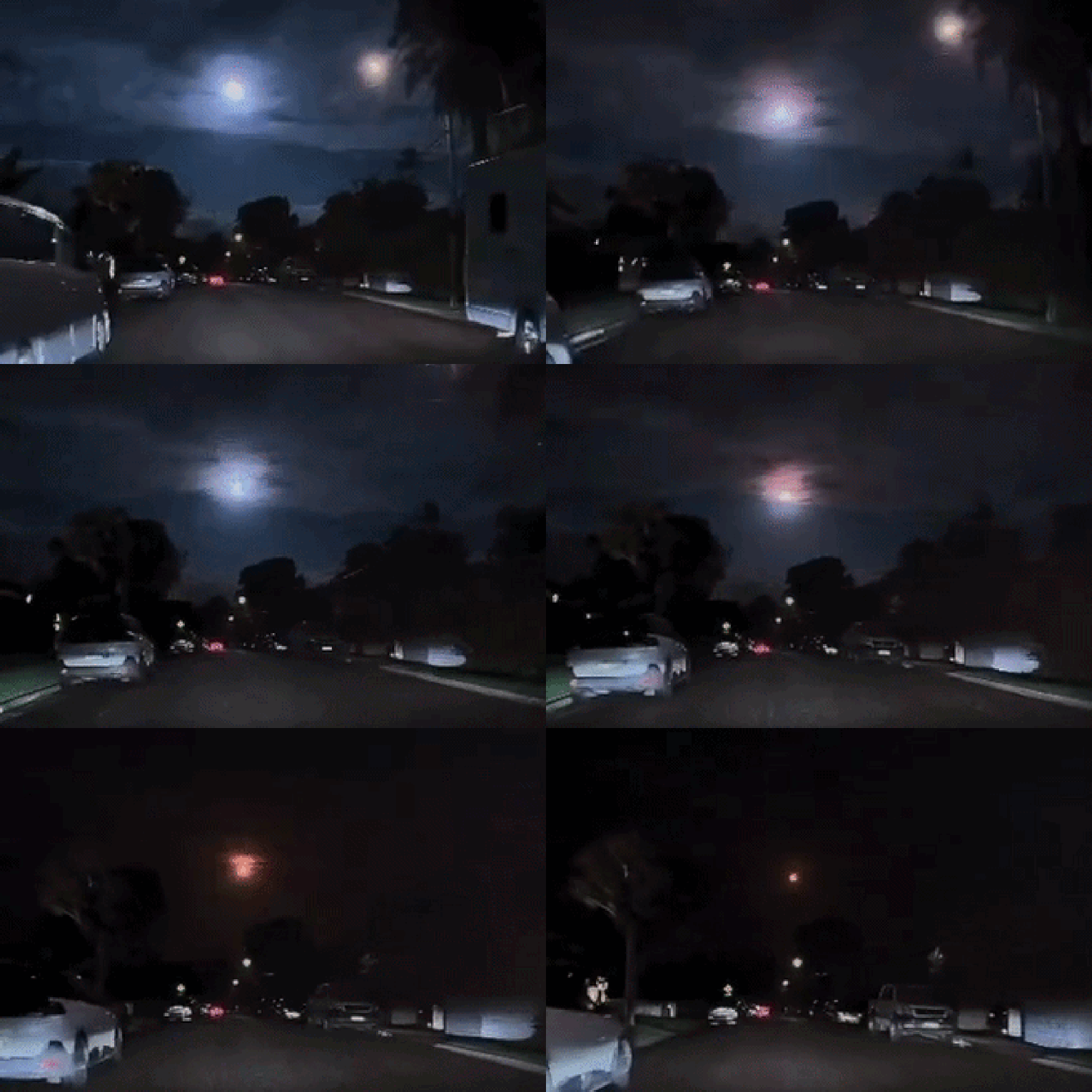
Source: Queensland Police
2. Glimmers of hope amid mounting climate gloom
It was another year defined by record heat and stressed ecosystems, but not without glimmers of good news.
In February, the World Meteorological Organisation and Australia’s Bureau of Meteorology confirmed 2024 was the hottest year globally, about 1.55 degrees above pre‑industrial levels.
That puts the Paris goal of keeping warming below 1.5 degrees on very shaky ground. In Australia, 2024 was our second‑hottest year, on top of record ocean heat.
Climate extremes included Cyclone Alfred, NSW flooding and widespread dust storms. In September, Australia’s first National Climate Risk Assessment warned we should expect more heatwaves, floods and fires.
November brought a political curveball when the Liberal Party dumped its net‑zero‑by‑2050 target. Days later, COP30 wrapped with a disappointing deal – no agreement to phase out fossil fuels.
Shortly afterwards, the government’s new environmental laws passed the Senate. This was a long-awaited overhaul, but critics said they still fall short of what’s needed.
But the year wasn’t 100 per cent bleak. In October, global energy think tank Ember announced that renewables had overtaken coal in electricity generation worldwide. And Australia’s Annual Climate Change Statement, released in November, found our emissions are nearly a third below 2005 levels, with renewables supplying more than 40 per cent of our power.
3. Extinct animals came back … to the headlines
2025 was a bumper year for extinct animals, driven largely by media-savvy US biotech firm Colossal Biosciences, which uses a technique called gene editing to alter the DNA of animals.
Marsupial science had a moment in February when University of Queensland researchers produced the first kangaroo embryo using IVF. That work could potentially help bring back Australia’s extinct marsupials, including the Tassie tiger, or thylacine, an ongoing University of Melbourne project supported by Colossal.
March brought the company’s first big announcement – an adorable gene-edited “woolly mouse”, sporting some of the features that protected extinct woolly mammoths from the cold, like long, thick fur. Scientists acknowledged an impressive feat of gene-editing, but pointed out that the rodent had nothing to do with real mammoths.
In April, Colossal claimed to have brought Ice Age dire wolves – made famous by TV show Game of Thrones – back from extinction. Again, experts immediately challenged the claim that it had recreated dire wolves. Colossal had simply gene-edited grey wolves to make them larger and shaggier, they said, so this was not genuine de-extinction, just a modified wolf.
Perhaps the year’s boldest development came in July, when Colossal revealed it was teaming up with researchers in New Zealand to try to revive the extinct giant moa.
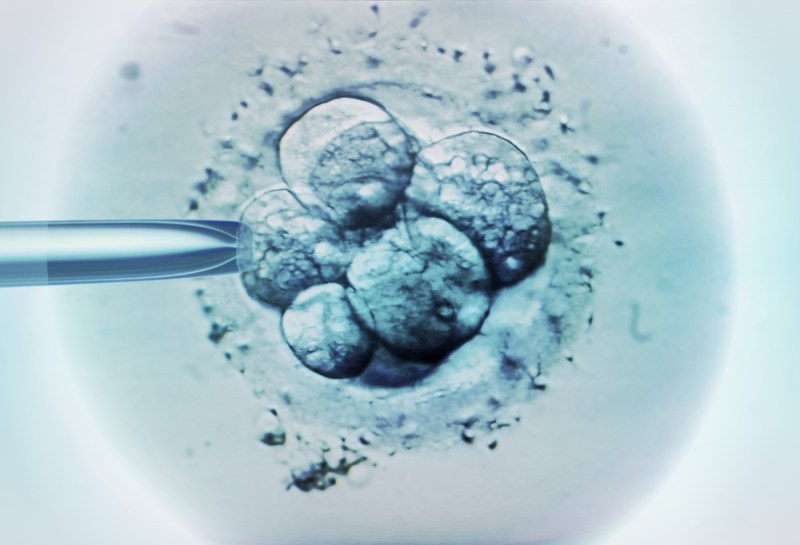
Monash IVF admitted to two alarming bungles this year. Photo: Getty
4. Monash IVF clinic delivered the unexpected, twice
This year, Australia was shaken by not one, but two major Monash IVF embryo-transfer stuff-ups.
The first surfaced in February, when the clinic discovered that a Brisbane woman had been implanted with the wrong embryo. She went on to give birth to a stranger’s baby. The error was discovered only when she and her partner asked to access their remaining embryos and found one more than there should have been.
In June, Monash IVF confirmed a second mix-up. A patient had been mistakenly implanted with her own embryo instead of one from her intended, same-sex partner.
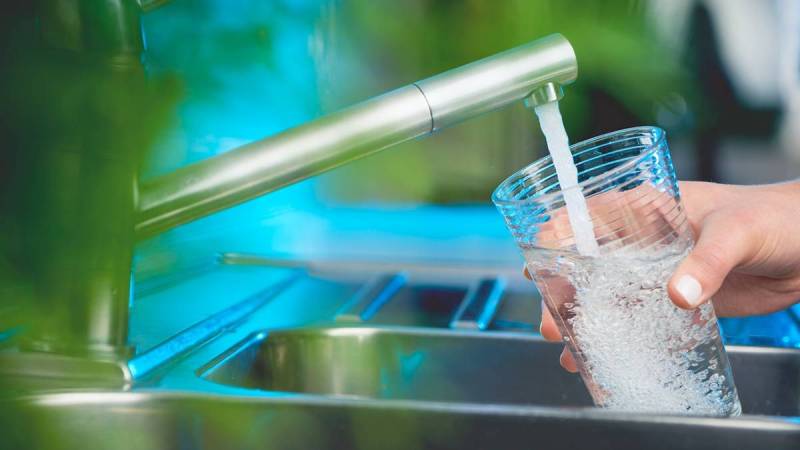
PFAS chemicals have been detected in Sydney’s water supply. Photo: Getty
5. PFAS ‘forever chemicals’ showed up almost everywhere
This year brought fresh evidence that per- and poly-fluoroalkyl substances (PFAS) – the persistent “forever chemicals” used in waterproof fabrics, non-stick pans and firefighting foams – are much more widespread in Australia than we thought.
In May, monitoring by the Australian Bureau of Statistics revealed that more than 85 per cent of Australians aged 12 and over had detectable levels of at least three PFAS, including recently banned compounds such as PFOS and PFOA.
The National Health and Medical Research Council responded in June by issuing stricter drinking-water guidelines for four major PFAS.
By August, UNSW scientists reported that Sydney’s tap water contained at least 31 PFAS compounds – including 21 never before recorded in Australian drinking water.
In October, University of Melbourne scientists reported that urban possums in greater Melbourne had 45 PFAS in their livers, with average levels among the highest recorded globally in similar small mammals.
In November, a federal inquiry into PFAS called for tougher national regulation, clearer rules around government responsibility and more monitoring.
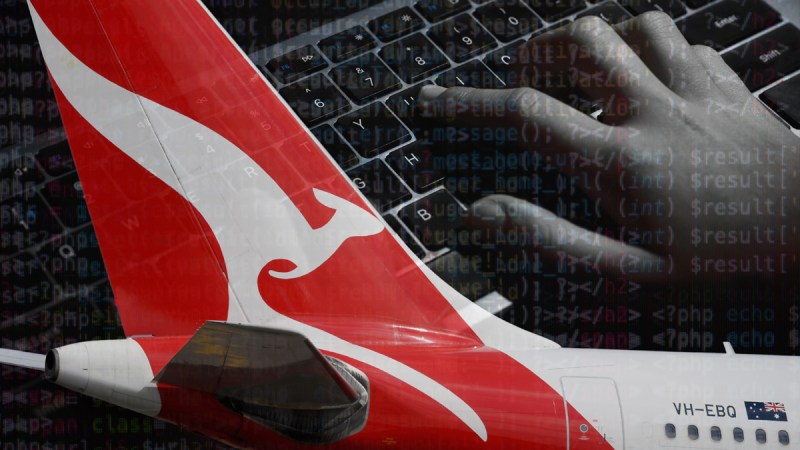
About six million Qantas customers had their data exposed. Photo: AAP
6. Australia rocked by cyber-attacks and failures
In April, some of the country’s biggest superannuation funds suffered a coordinated cyberattack. Experts said the breach, likely achieved using stolen login details, showed cyber security at some funds was woefully inadequate. At least $500,000 was stolen.
In July, Qantas suffered a major data breach when hackers broke into a third-party customer service platform. This potentially exposed the personal details of about six million customers.
The final blow came in September, when Optus experienced a catastrophic network failure during a firewall upgrade. The outage blocked hundreds of emergency triple zero calls across South Australia, Western Australia and the Northern Territory. Tragically, three people died after failing to reach emergency services.
Data from the Australian Cyber Security Centre released in October suggested the failures were just the tip of the iceberg. The centre said it had responded to more than 1200 confirmed incidents in 2024-25, up 11 per cent on the previous year.
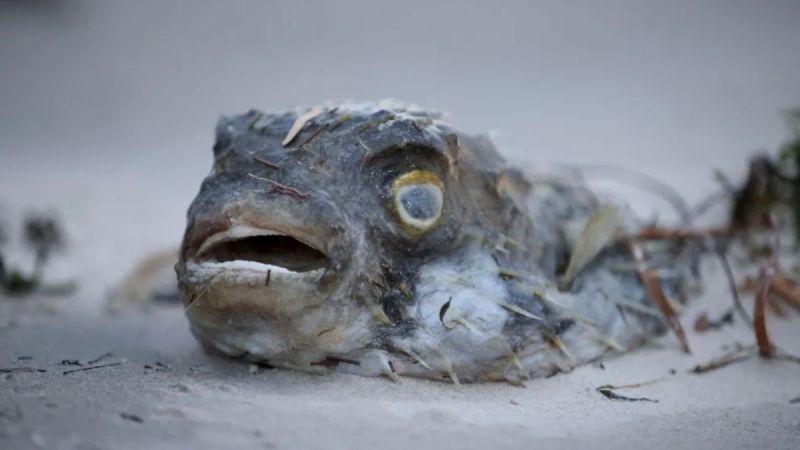
There are fears South Australia’s toxic algal bloom will roll into a second year.
7. SA’s algal bloom was the toxic tide of 2025
In March, A sprawling harmful algal bloom erupted across South Australia’s Gulf St Vincent, Spencer Gulf and waters around Kangaroo Island, ultimately affecting about a third of its coastline.
It quickly ballooned into one of the longest and most destructive marine events in Australian history.
By May, deaths had been reported among hundreds of species. Shellfish farms were forced to close and health warnings for beachgoers followed, as irritating, toxin-laden foam drifted ashore.
Although spring monitoring showed the bloom declining along Adelaide’s metropolitan beaches, scientists have warned it may linger into summer.

Under-16s in Australia have been banned from most social media.
8. Australia pulled the plug on social media for kids
Australia’s world-first social media ban for kids was a major topic of discussion, and we saw a growing body of research about how online life is affecting kids’ wellbeing.
The ban, which began on December 10, requires social media platforms to block under-16s. September’s Age Assurance Technology Trial said this was not only possible, it could be done “privately, efficiently and effectively”.
Across the year, a raft of studies seemed to paint a consistent picture: Posting on social media was linked to angry outbursts, digital pressures were found to strain friendships, and teens with mental health conditions were found to be on social media more than their mentally-healthy peers. Pre-teen use was tied to later depressive symptoms, and mental-health risks were found to be higher among kids who were given smartphones earlier.
By late 2025, Australian research showed the time kids spend on social media has surged at the expense of other activities such as reading and sport.
However, previous research has suggested social media can benefit kids, especially those with close families who use the platforms in moderation. And some experts argue a blanket ban risks isolating Australian youth.
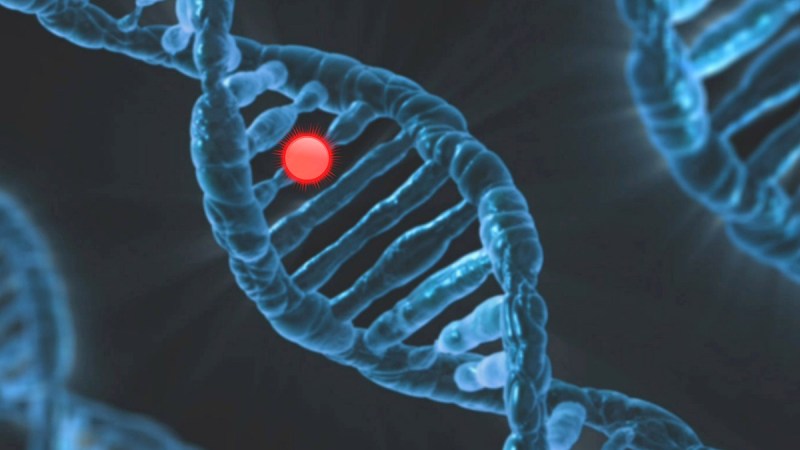
The technique modifies an embryo’s DNA to effectively give it three parents. Photo: Pixabay
9. The first ‘three-parent’ children are ‘full of life and possibility’
In July, Monash University and UK researchers reported that eight British children born after mitochondrial DNA transfer are all healthy and appear to be thriving, capping more than two decades of work on “three‑person IVF”.
Seven British women at high risk of passing on serious mitochondrial disease underwent a procedure called pronuclear transfer. The resulting embryos carry their parents’ genes, but “borrow” mitochondria from a donor egg.
The children were healthy at birth, the researchers said, and five have had no medical problems since. Three have experienced treatable health issues not caused by the procedure.
Tests found no or very low levels of disease‑causing mitochondria in five children, while in the others, they made up 5-16 per cent of the total. The kids will be followed closely.
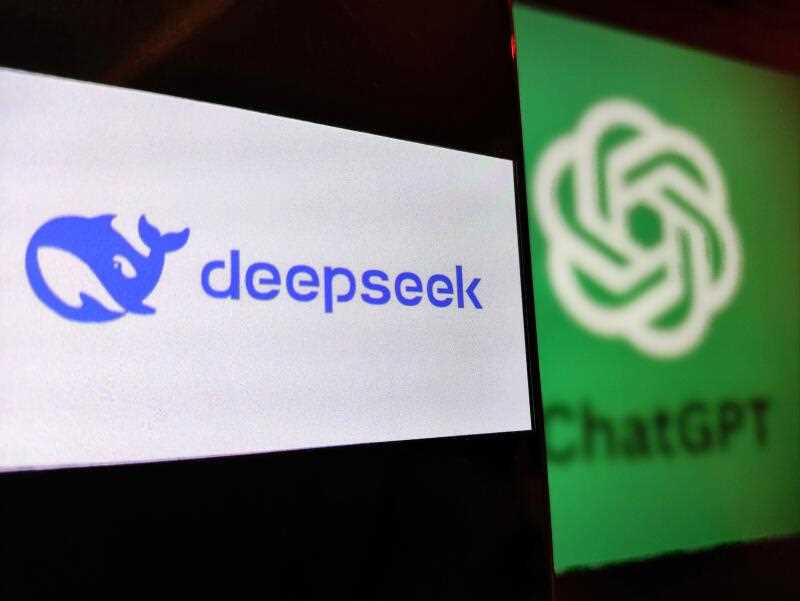
DeepSeek went from zero to hero, and then back again.
10. DeepSeek shook up the tech world and spooked AI investors
A surprising newcomer, Chinese chatbot DeepSeek, shook up the AI scene when its R1 model was released last January.
DeepSeek was propelled from unknown to headline news almost overnight, leaving the tech world scrambling to catch up.
But the honeymoon didn’t last. By February, the Commonwealth had banned the chatbot from government devices, mainly because of fears user data was being shared with the Chinese government.
Its success wasn’t hard to understand. DeepSeek delivered impressive results at bargain-basement prices, using a lot less computing power than existing chatbots, and challenging the dominance of established AI players.
It also arrived just as AI was flooding into everyday life, from offices to classrooms to smartphones, rapidly leading to a phenomenon known as “AI fatigue”, as workers became exhausted by the constant pressure to learn and use new AI tools.
The surge in AI was followed by a new National AI Plan. Many experts were surprised that it ignored previously proposed mandatory guardrails, instead relying on voluntary ones.
This is an edited extract from the Australian Science Media Centre. Read the full report here
Want to see more stories from The New Daily in your Google search results?
- Click here to set The New Daily as a preferred source.
- Tick the box next to "The New Daily". That's it.