Tougher fishing restrictions algal bloom testing is scaled back

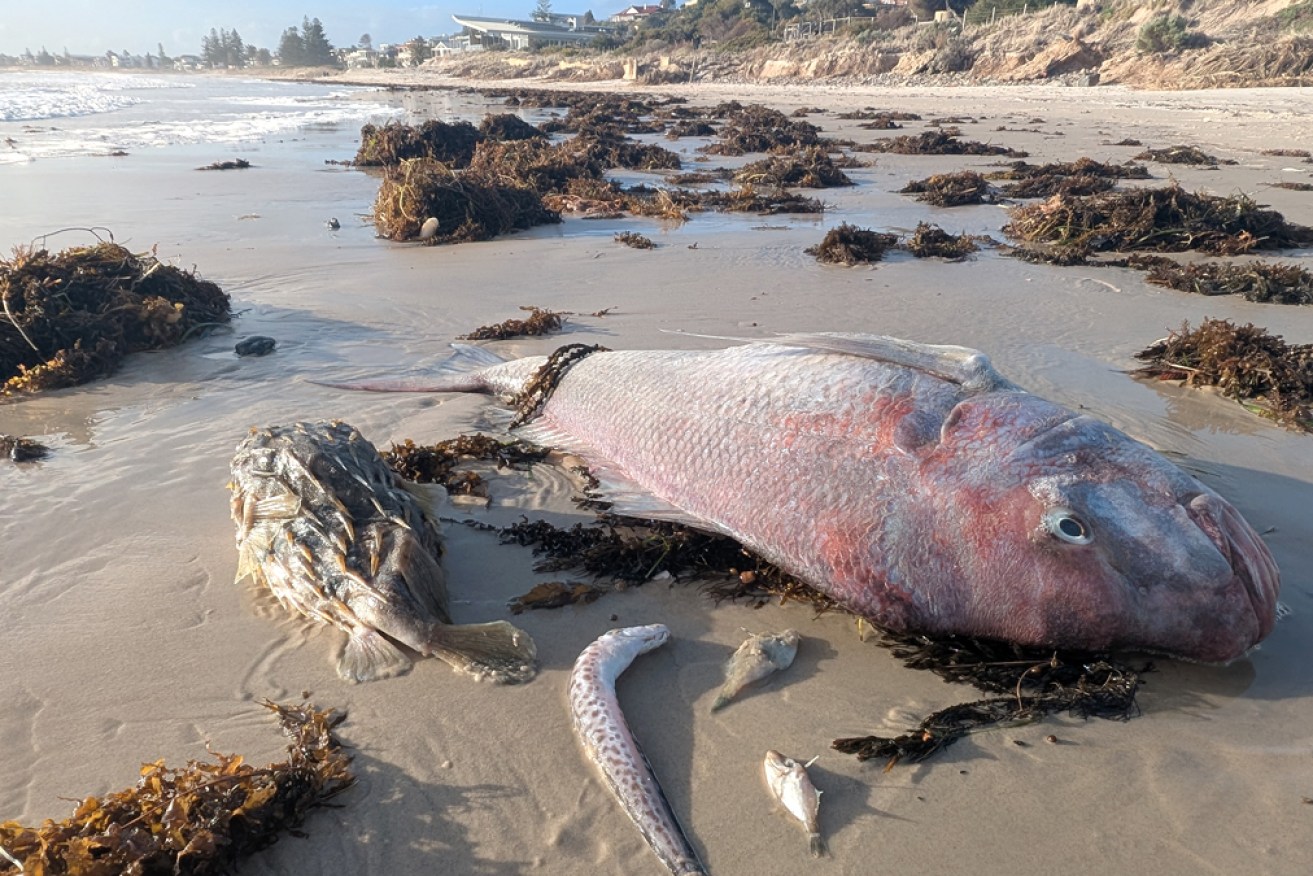
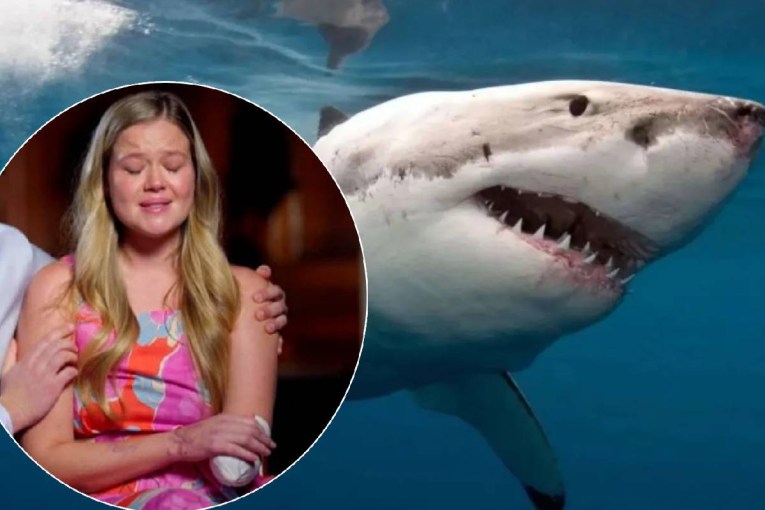
South Australia will scale back testing for its devastating algal bloom, amid positive testing results. Photo: AAP
Algal bloom testing and beach clean-ups will be wound back in South Australia, with new fishing restrictions after concerning news on three important species.
Testing and clean-ups will be scaled back following positive monitoring results, the SA government said on Monday – despite the state’s algal bloom spokesperson, Professor Mike Steer, declaring “the job is not done”.
Premier Peter Malinauskas said 9400 kilograms of dead sea life had washed up on SA beaches ever week in December 2025. That had since fallen to less than 50 kilograms a week.
Malinauskas said regular testing for the state’s toxic Karenia bloom would revert to monthly in areas with non-active blooms.
He said the only area continuing to record “elevated” levels of the the algal bloom was at Bickers Island off the south-east of the Eyre Peninsula.
“For a sustained period, we have not seen high levels of Karenia – in fact, in most instances, we’ve seen effectively zero Karenia throughout the state’s coastline,” he said.
However, it was not all good news, with restrictions on Southern calamari fishing extended across Gulf St Vincent and the Spencer Gulf. Malinauskas said the government was “very concerned” about their numbers.
Additionally, a recreational and charter boat closure will be imposed in Garfish and Gulf St Vincent, which are already closed to commercial fishing.
There will also be a spawning closure for King George whiting until July 31 to protect the species during breeding season.

The state government will also scale back the Beachsafe app, which provides daily reports on algal bloom conditions at popular beaches. Its algal bloom hotline will become an automated service.
Malinauskas said long-term coastline monitoring and research would continue, saying while it was “very good” news the algal bloom “has essentially cleared up”, it was also true that it might return.
But Steer, the executive director of the South Australian Research and Development Institute, said that while recent testing results showed positive trends, “the job is not done”.
“We’ve learnt a lot over the past year, and there are still some research gaps that need to be filled to ensure that South Australia remains prepared in case this flares up again in the future,” he said.
“This particular Karenia species is responsive to environmental conditions, and it has in the past turned the corner, so we need to be vigilant in terms of our monitoring.”
State Primary Industries and Regional Development Minister Clare Scriven said recovery of fisheries had been the “No.1 goal” throughout the algal bloom.
EcoProTem principal ecologist Faith Coleman said reduced water testing was “not ideal” but also not unexpected.
“In relation to beach condition observations by surf lifesavers and the beach clean-ups, I am glad that we have finally reached a point where these emergency public relations responses to this event are no longer required,” she said.
She wants the government to invest in other measures, including “dealing with the complex of follow-up blooms of other HAB and bacteria species we are now experiencing within the impacted zones”.
Opposition primary industries and regional development spokesperson Nicola Centofanti called on the government to continue supporting all fishers.
“These bans don’t just affect those out of the water – they flow right through coastal economies, impacting local jobs, small businesses, and regional communities,” she said.
She said the government was cutting back funding when “we should be maintaining vigilance”, saying it “clearly haven’t learnt a thing”.
“Karenia is still present in our waters, and it was at this time last year, heading into the winter, that the toxic bloom worsened against expectations,” she said.
Republished from InDaily
Want to see more stories from The New Daily in your Google search results?
- Click here to set The New Daily as a preferred source.
- Tick the box next to "The New Daily". That's it.