Labor backs above-inflation wage bump for lowest-paid
Source: AAP
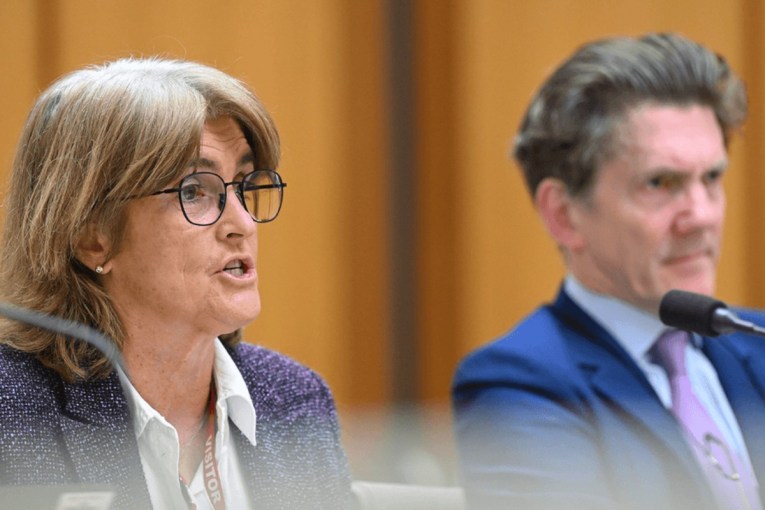
The federal government has thrown its weight behind an above-inflation wage rise for low-paid workers, while business groups warn the move could worsen price pressures and fuel further interest rate rises.
The Albanese government has repeated its 2025 call for a pay bump above the inflation rate in its submission to this year’s Fair Work Commission wage review.
Such an increase should be “consistent with underlying inflation returning to the Reserve Bank of Australia’s (2-3 per cent) target band in 2026/27”, Treasurer Jim Chalmers and Employment Minister Amanda Rishworth said on Thursday.
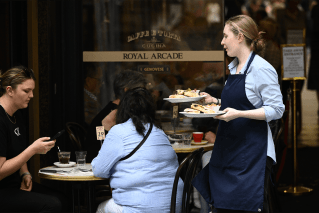
Each year, the industrial umpire determines how much extra the more than 2.6 million Australians on minimum and award wages will get paid.
In 2025, with inflation was on the way down, the commission decided workers deserved an above-inflation 3.5 per cent pay bump – or about $32 a week – to help “catch up” with the fall in real incomes during the post-Covid-19 pandemic price spike.
But the return of inflationary pressures and war in the Middle East has complicated its decision for 2026.
Unions argue low-paid workers are still behind from the previous inflation spike and will fall even further behind as fuel costs surge and flow through to prices across the economy.
The Australian Council of Trade Unions has called for a 5 per cent increase, which would raise the hourly minimum wage to $26.19.
Business groups warn a pay rise above inflation, which came in at 3.7 per cent in the 12 months to February, would exacerbate price increases fuelled by soaring oil costs.
That, in turn, could force the Reserve Bank to raise interest rates further.
Australian Chamber of Commerce and Industry chief executive Andrew McKellar backed a 3.5 per cent increase, arguing low productivity growth had reduced the rate at which wages could grow without lifting consumer prices.
“Any cost increase pushing above existing inflation at the moment, if it’s not fully offset by productivity gains, is going to be unhelpful,” he said.
“If we continue to chase our tail with ever-higher wage claims, ever-higher cost pressures, it’s only going to add fuel to the inflation fire.”
The government does not nominate a specific wage increase figure. But its recommendation for a real wage rise points to a lift above inflation, which is tipped to climb as high as 5 per cent in the second quarter.
“Workers are doing it tough right now and that’s why we think they should get a sustainable real wage increase,” Chalmers said.
Rishworth pushed back at the suggestion a real wage rise would add to inflation, saying wages were not a key driver of recent inflation pressures.
Lower-paid workers were more exposed to unexpected financial shocks and experienced greater financial hardship, she said.
Treasury has modelled two scenarios for the impact of the Middle East war on Australia’s economy, including a pessimistic scenario that forecasts inflation to peak at 5 per cent in 2026.
Rishworth would not say whether the government would support a wage increase above that figure if Treasury’s modelling came to pass.
The Fair Work Commission will conduct hearings in May before handing down its annual wage review decision in June.
The pay rise will kick in from July 1.
-AAP
Want to see more stories from The New Daily in your Google search results?
- Click here to set The New Daily as a preferred source.
- Tick the box next to "The New Daily". That's it.