Rate cuts may be at end, RBA boss signals after latest pause

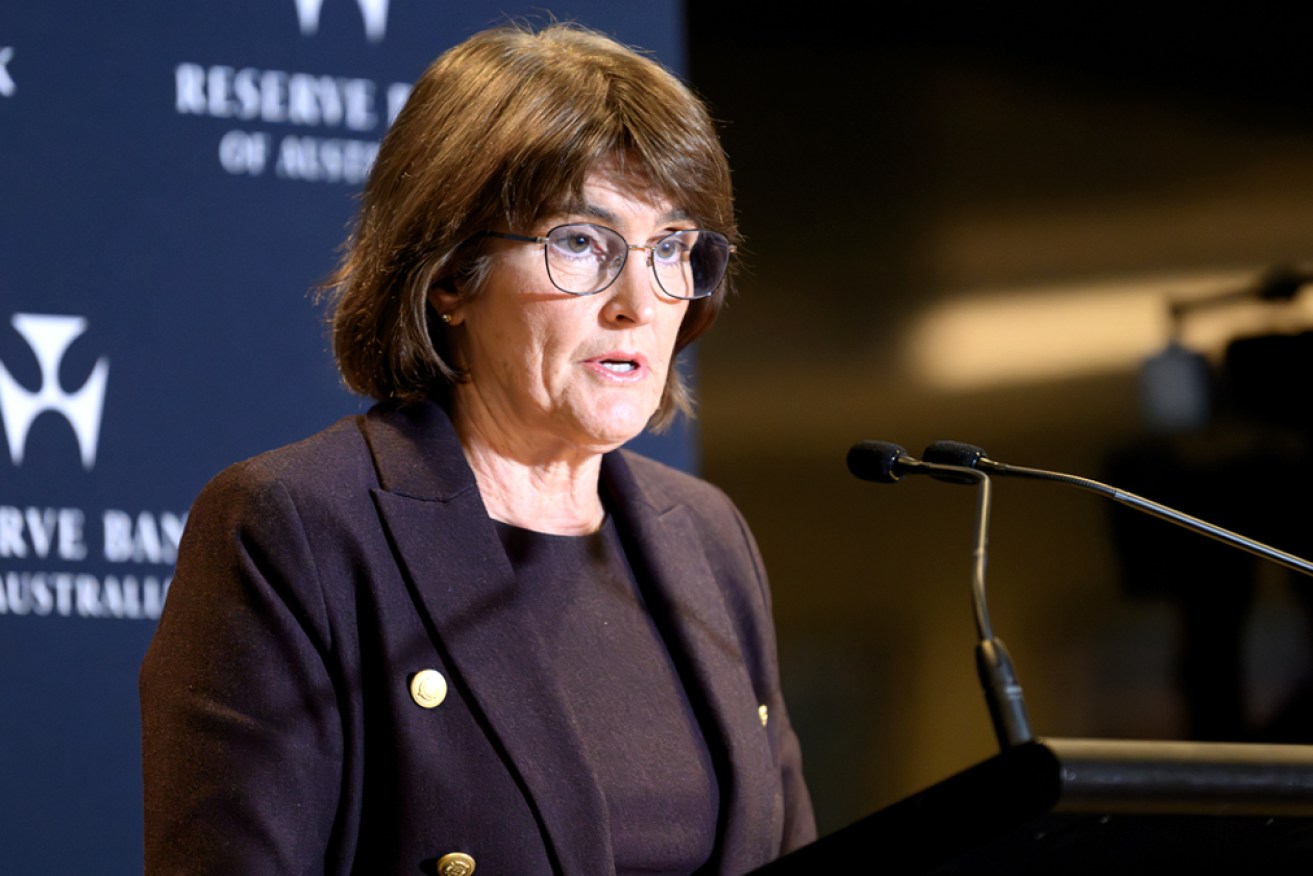
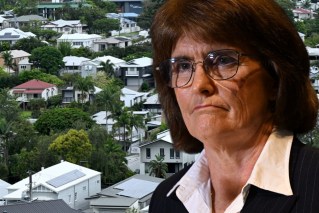
Reserve Bank of Australia governor Michele Bullock has dashed the hopes of Australians still eager for more cuts to interest rates. Photo: AAP
Reserve Bank boss Michele Bullock has warned there may be no more rate cuts to come for Australian borrowers, after Tuesday’s decision to hit pause.
But she said that might actually be good news for Australians, after three cuts to the official cash rate this year.
“We know that many households, for example, with mortgages, they’ve actually been saving rather than spending everything. So as their mortgage repayments have come down, they’ve opted not to reduce their mortgage payments. They’ve maintained them. So that’s suggesting a bit of caution,” Bullock said after the central bank board meeting on Tuesday.
“One upside scenario is a positive one, that they react to that and they start consuming again – that’s good for business, good for employment. So that’s not a bad news scenario.
“If that means that we don’t lower interest rates further, then I wouldn’t say that’s not necessarily a bad news story.”
With the Reserve’s decision to hold rates steady at 3.6 per cent, attention has turned to when – or even if – there might be another cut.
Tuesday’s decision means borrowers will have to wait until at least November for more mortgage relief. But hotter-than-expected inflation and an enduringly robust labour market have raised the prospect the central bank might have delivered its last rate cut after 75 basis points of cuts since February.
“We know that consumer confidence is still a little bit on the low side. So it’s possible that doesn’t eventuate, the upside doesn’t eventuate,” Bullock said.
“And there’s some downside that eventuates and that affects the employment market. That would have different implications potentially for monetary policy.”
In its statement, the RBA board said labour market conditions had been broadly steady, an update from its August statement when it said the labour market was easing.
The central bank revealed it was sensitive to the risk that inflation could overshoot its latest forecasts.
“On the domestic side, stronger-than-expected data on growth and inflation may indicate that households have become more comfortable consuming as real incomes and wealth rise,” it said.
“If this continues, it may make it easier for businesses to pass on cost increases and lead to more demand for labour.
“With signs that private demand is recovering, indications that inflation may be persistent in some areas and labour market conditions overall remaining stable, the board decided that it was appropriate to maintain the cash rate at its current level at this meeting.”
The central bank also remains alert to global uncertainty, with US President Donald Trump’s tariffs still causing havoc, but monetary policy was well-placed to respond decisively to international developments.
Treasurer Jim Chalmers said while millions of Australians would have wanted more rate relief, the decision was expected.
“Rates have already come down three times this year and that’s a good thing,” he said.
“This progress comes at the same time as we’ve seen inflation tick up in parts of the world including the United States, Canada and New Zealand and remain stubbornly high in places like the United Kingdom.”
Opposition treasury spokesman Ted O’Brien, however, took aim at government. He said Australians were doing it harder than they needed because of the Albanese government’s “spending spree”.
“There is a reason why rates have been higher for longer in Australia, and that is this Albanese government ensuring that they keep spending and a big government approach is their mode of operation,” he said.
“This has not changed and we continue to see that in the figures that are released over time.”
Monthly inflation jumped to 3 per cent in August, snuffing out any hopes of a rate cut in September.
Markets significantly repriced the odds for further rate reductions after last week’s consumer price index print, with only one more cut priced in this cycle before the RBA’s announcement.
Market reaction to the decision was muted, given how widely it was expected, but the Australian dollar and bond yields edged up after 2.30pm.
-with AAP
Want to see more stories from The New Daily in your Google search results?
- Click here to set The New Daily as a preferred source.
- Tick the box next to "The New Daily". That's it.
RBA’s inflation warning stokes rate rise fears

More pain as IMF backs rate rises

More millions as Whyalla Steelworks jobs slashed


Fresh rate fears as economy outruns forecasts