RBA hikes, wiping out more than a year of interest savings

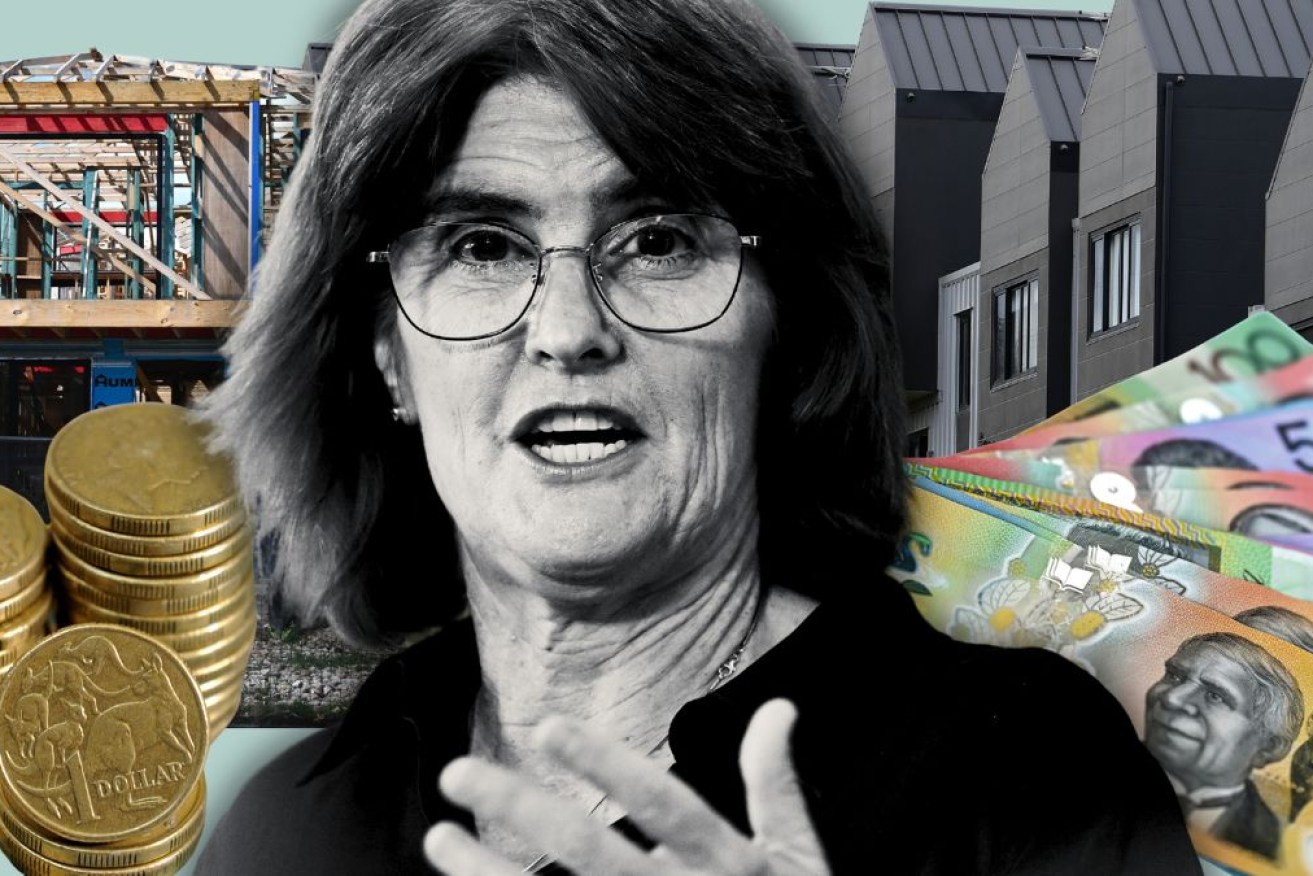
Tuesday's rate rise had been widely expected, but that won't make it any easier for many households. Photo: AAP
The Reserve Bank has lifted interest rates again, in a move that wipes out all of the cuts it delivered in more than the past year.
Tuesday’s 25-basis-point increase takes official interest rate back to 4.35 per cent, where it last sat 16 months ago.
The latest increase had been widely expected, although it means mortgage-holders are hundreds of dollars worse off every month since the start of the year. Financial markets had priced in the chance of a hike at 80 per cent, after headline inflation surged to 4.6 per cent in March.
Rising fuel prices caused by the US-Israeli war with Iran have amplified the central bank’s inflation headache.
Price growth was already well above target before the conflict broke out and sent global energy markets into chaos.
Financial comparison website Canstar said consecutive rate rises in February, March and May had added $227 a month to a $500,000 mortgage. A borrower who owed $1 million now has to find an extra $453 a month.

“A hike tomorrow to a cash rate of 4.35 per cent would effectively finish unwinding last year’s three rate cuts and erase the repayment buffers many borrowers had built into their mortgages by not reducing their repayments across this time,” the website said ahead of Tuesday’s announcement.
It said the 0.25 percentage point hike would push the average owner-occupier variable rate to 6.26 per cent, taking it above 6.25 per cent for the first time since January 2025.
In its post-meeting statement the board noted that eight members had voted for the increase, with the final member voting to keep rates on hold at 4.10 per cent.
“Inflation picked up materially in the second half of 2025, and information since the beginning of this year confirms that some of this increase reflected greater capacity pressures,” the board noted.
“In addition, the conflict in the Middle East has resulted in sharply higher fuel and related commodity prices, which are already adding to inflation.
“There are early signs that many firms experiencing cost pressures are looking to increase prices of their goods and services. Short-term measures of inflation expectations have also risen.”
Just as closely watched will be the Reserve Bank’s Statement on Monetary Policy, which contains updated economic forecasts by bank staff and provides clues about the future path of interest rates.
IG market analyst Tony Sycamore expected inflation forecasts to be increased in the near term before being lowered further out, reflecting slower economic growth as a result of higher oil prices and interest rates.
For now, spending has remained resilient despite the oil shock, according to Commonwealth Bank payments data.
Although spending growth was expected to soften through the rest of 2026, there were no signs the recent sharp pullback in sentiment had materially changed household spending decisions, CBA economist Ashwin Clarke said.
Spending grew by 6.7 per cent in April compared to the same period a year earlier. Petrol station spending was elevated, while travel, retail and eating and drinking out were softer.
According to transaction data from National Australia Bank, broader discretionary spending appears to have held up relatively well.
NAB economists Gareth Spence and Jessie Cameron said rising construction costs would likely contribute to a pick-up in housing inflation. They said prices for building materials were already elevated following the post-pandemic inflation surge, and the war in the Middle East would put further pressure on a broad range of products through higher transport, energy and input costs, especially for plastics such as PVC pipes.
Dwelling approvals had been improving before the conflict, with the trend rate rising to 17,657 in March despite the number of consents falling 10.5 per cent for the month, the Australian Bureau of Statistics reported on Monday.
“However, headwinds are building as higher interest rates and rising construction costs weigh on the sector,” CBA economist Lucinda Jerogin said.
“We expect new dwelling cost inflation to pick up in coming months alongside announced construction material cost increases.”
-with AAP
Want to see more stories from The New Daily in your Google search results?
- Click here to set The New Daily as a preferred source.
- Tick the box next to "The New Daily". That's it.
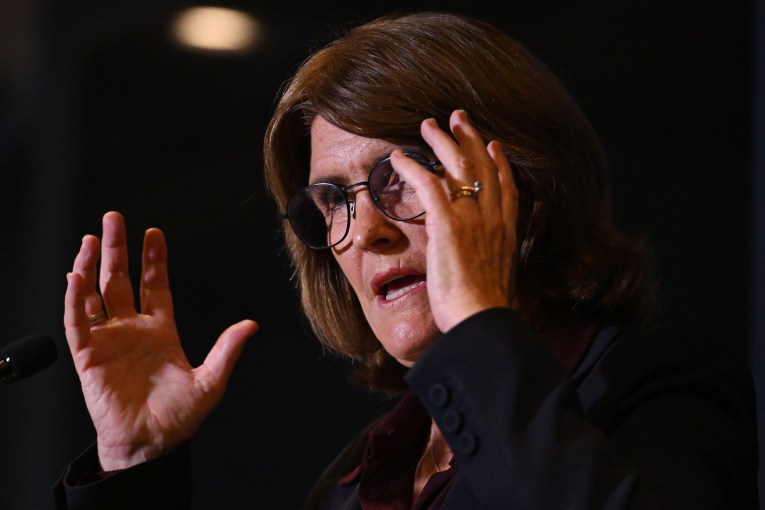
RBA’s inflation warning stokes rate rise fears
More pain as IMF backs rate rises

More millions as Whyalla Steelworks jobs slashed


Fresh rate fears as economy outruns forecasts