RBA sticks with predictions on interest rates


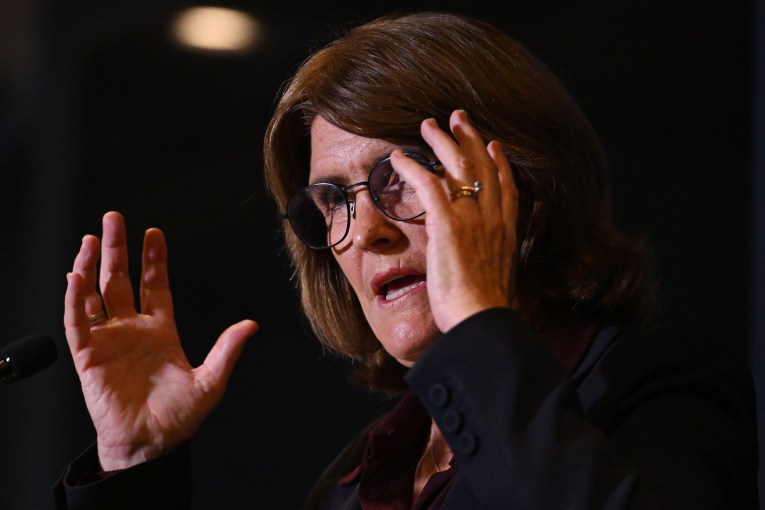
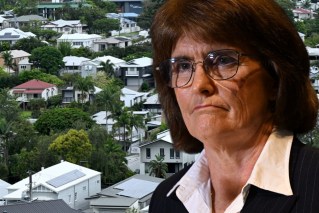
No interest rate cut this month, but first-home buyers will get a boost anyway under a new federal scheme. Photo: Getty
The Reserve Bank of Australia has met forecasters’ predictions, leaving official interest rates at 3.6 per cent in its latest decision – and sounding a warning on inflation.
Economists and bond traders had widely expected the central bank to keep its finger firmly on the pause button when it wrapped its latest monetary policy meeting on Tuesday, after inflation came in hotter than expected.
“With signs that private demand is recovering, indications that inflation may be persistent in some areas and labour market conditions overall remaining stable, the board decided that it was appropriate to maintain the cash rate at its current level at this meeting,” the bank said in its announcement.
It said financial conditions have eased since the beginning of the year but it would take some time to see the full effects of this year’s three cash rate reductions.
“The board judged that it was appropriate to remain cautious, updating its view of the outlook as the data evolve,” it said.
Ahead of the announcement, Westpac chief economist Luci Ellis said said that while the RBA put more weight on quarterly inflation data – which will be released in late October – last week’s jump in the consumer price index from 2.8 to 3 per cent had ruled out any slim chance of a fourth rate cut this year.
“We nonetheless continue to expect that the RBA will cut the cash rate further over time,” she said.
Tuesday’s hold comes as markets and economists generally go cool on the likelihood of more interest rate cuts in 2025.
Markets have pushed expectations for the next downward move back from November to February and are no longer fully priced in for two whole cuts.
Economists at NAB, Deutsche Bank, TD Securities, Citi and Nomura have also abandoned predictions of another cut this year.
Nomura’s Andrew Ticehurst and David Seif said the economy had grown more strongly than expected, unemployment had stayed low and a material rise in services inflation had threatened the central bank’s inflation forecasts since it cut rates when it last met in August.
“We expect [the RBA’s] messaging to pivot back in a much less dovish direction, compared to the communication it provided in August,” they said in a research note.
The Reserve Bank has lowered official mortgage rates three times since February, shaving more than $270 from monthly repayments for an average home loan of $600,000.
Boosted with extra purchasing power, increased demand from prospective homebuyers has driven home prices to fresh highs after seven months of consecutive growth, according to Cotality’s home value index.
First-home buyers will get another boost on Wednesday, when the federal government’s expanded first-home buyer guarantee scheme – which enables eligible Australians access to 5 per cent deposits – comes into effect.
In Sydney, where property price caps for the scheme lift to $1.5 million on Wednesday, a couple on a dual disposable income of $123,674 will have their time to save for a deposit cut from more than 10 years to less than three years.
Homebuyers in Melbourne and Brisbane will save five years and nine months, while Adelaide purchasers will have the deposit hurdle lowered by five years and seven months.
Domain chief economist Nicola Powell said there were downsides to the scheme.
A lower up-front deposit meant more debt overall and a higher risk of slipping into negative equity if prices fell, while extra demand from first-home buyers would further push up home prices.
Housing Minister Clare O’Neil said the scheme would help young Australians start building equity in their own home rather than paying off someone else’s mortgage.
“That’s life-changing,” she said.
Cotality head of research Eliza Owen said rising rents had further boosted the scheme’s value for first-home buyers,
In Sydney, even if a first-home buyer shaved just six years off their time to save for a deposit, that would save them $251,000 on rent for a median rental of $801 a week.
“Even though a smaller deposit means paying more interest over time, it could still work out cheaper for renters,” Owen said.
-with AAP
Want to see more stories from The New Daily in your Google search results?
- Click here to set The New Daily as a preferred source.
- Tick the box next to "The New Daily". That's it.
RBA’s inflation warning stokes rate rise fears
More pain as IMF backs rate rises

More millions as Whyalla Steelworks jobs slashed


Fresh rate fears as economy outruns forecasts