Airlines ban everyday item from check-in baggage

Source: CASA
Airline crackdowns on battery-charged devices are expanding to take in some of our most common, everyday items, as safety concerns continue to grow.
In a blow for AirPod and other earbud users, four Asian airlines announced this week that such Bluetooth devices – regularly seen plugged into the ears of people across the globe – will be banned from checked luggage.
It follows a global crackdown on the carriage of lithium batteries, amid a concerning spike in midair fires and other incidents.
Thai Airways, Singapore Airlines and Malaysia Airlines are among those to ban the in-flight use of lithium batteries, such as those used to charge mobile phones, laptops and other devices. Hong Kong’s aviation regulator has imposed similar restrictions on the territory’s airlines, including Cathay Pacific.
Audio tech such as earbuds use the same lithium batteries. Earbuds are constantly being charged when they’re in their case, increasing the risk they might suddenly burst into flames.
Earlier this month, Taiwan’s leading carriers — EVA Air, UNI Air, and Tigerair Taiwan — banned passengers from putting wireless earbuds such as Apple’s AirPods in checked baggage.
Tigerair Taiwan said the tech, known as portable electronic devices, included anything that contained a lithium battery. It takes in Bluetooth earphones, handheld fans, and similar gadgets.
They can be carried only in cabin luggage.
UNI Air said earbud charging cases were also considered PEDs and are therefore prohibited in checked baggage.
The airlines’ ruling mirrors the stance of the New Zealand Aviation Authority, which also specifically prohibits packing AirPods and other wireless earbuds in checked luggage on flights under its jurisdiction.
“Yes, you can take wireless earbuds and AirPods in your carry-on luggage. They must not go in check-in luggage under any circumstances,” the Kiwi aviation organisation says on its website.
“Each person is allowed a total of 20 spare batteries or power banks in their carry-on, unless an airline has approved the carriage of more batteries. The wireless earbuds/AirPods charger is considered one of the 20 spare batteries or power banks allowed in passengers’ carry-on.
“Some airlines, including Air New Zealand, specify in their conditions of carriage that you can only travel with your wireless ear buds/AirPods chargers in carry-on and not check-in luggage.”
Australia’s Civil Aviation Safety Authority does not specifically mention earbuds, but does have general rules covering the carriage and use of all Wi-Fi and Bluetooth-devices.
Earlier in 2025, CASA launched its Pack Right, Safe Flight campaign to educate travellers as to what, and how, they can take on their trip.
“Many passengers remain unaware of the rules or risks,” CASA’s Andreas Marcelja said.
“Devices like phones, laptops, vapes and power banks are common items we travel with – but when they’re packed incorrectly, they can pose a serious fire risk.”
It said lithium-ion batteries topped the list of common problem items – and most travellers now carry at least four rechargeable (lithium-powered) devices on to planes.
‘Spare lithium batteries, e-cigarettes, vapes and powerbanks must never be packed in checked baggage,” Marcelja said.
“They should always be carried in the cabin, where cabin crew are trained to respond to any incidents.’
Electrical devices without a battery – such as hair driers or straighteners that can be plugged into mains power – are not restricted. They can be packed in either checked or carry-on baggage.
Other confusing items the CASA campaign covers are aerosols, sparklers, or cleaning products – whether they can be carried, where they should be packed, and what conditions apply.

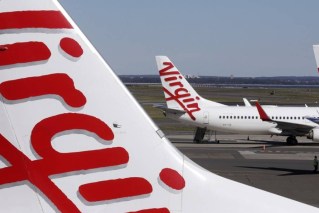
It comes after incidents such as lithium battery blaze on board a Virgin Australia flight from Sydney to Hobart in July. Passengers reported smelling smoke about 10 minutes before landing.
As the cabin filled with smoke, crews opened an overhead compartment and reportedly discovered a burning lithium battery. It was put out with water and a fire extinguisher, before the plane landed safely at Hobart Airport.
Want to see more stories from The New Daily in your Google search results?
- Click here to set The New Daily as a preferred source.
- Tick the box next to "The New Daily". That's it.