Budget takes a step forward for future generations, but leaves billions on table


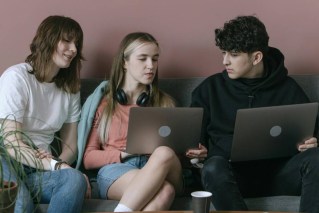
Millennials and Gen Z are paying the price for decades of short-term thinking. Photo: Mike Bowers/Pexels
Being the land of a fair go has long been a source of Australian pride and identity.
But in the past two decades, generous tax concessions have made housing a lucrative wealth generator and provided investors with an unfair advantage when competing with first-home buyers looking for a place to call home.
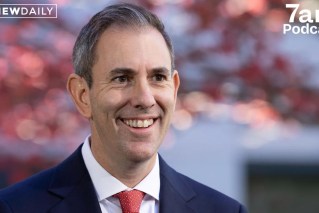
This week’s budget marks turning point for fairness in Australia. So credit where credit is due, I applaud Treasurer Jim Chalmers for taking the step to rein in the generous housing taxation concessions.
Hats off, too, to the fair-minded Australians all over the country, including many in so-called teal electorates who backed this in despite many benefitting personally from the concessions.
When it comes to priorities, people inevitably put their kids and grandkids first, and it was clear younger generations were being dudded.
That’s the good news.
I had hoped this budget would also be a turning point for a longer-term vision for our nation. Sadly, this was not the case.
We live in an era of unprecedented change and transition.
We face multiple converging challenges such as the increasing frequency of extreme weather events, a global energy transition, the rise of artificial intelligence, an ageing population, growing chronic disease and obesity and geopolitical instability, not to mention the persistent cost of living pressures.
Short term, Band-Aid solutions will not serve us well.
What does long-term vision for a nation look like?
It looks like Norway, which has amassed a $3 trillion sovereign wealth fund over the past four decades from the sale of its resources to benefit its citizens.
Australia, on the other hand, has accrued a $1 trillion deficit and gives more than half of our gas away for free. Once it’s gone, it’s gone.
It looks like a nation that invests in preventive health and does not permit multinationals to target children relentlessly with junk food and gambling advertising.
This budget provides an extra $25 billion for hospitals, yet invests very little in prevention. Meanwhile, similar nations such as Britain and Canada spend about 5-8 per cent of their health budgets on prevention. We remain at just 2 per cent.
It looks like a nation that plans early and cares for its ageing population and people with a disability.
It looks like a nation that protects its nature because, as Sir David Attenborough said:
“If we take care of nature, nature will take care of us … We are totally dependent on that world, it provides our food, water, and air.”
It looks like a nation that preserves its native forests. Australia continues to drive extinctions by subsidising the logging of our native forests for woodchips that are shipped overseas for a loss.
It looks like a nation that invests in liveable, well-connected cities and suburbs – with clean air, green spaces and efficient public transport.
It also means investing seriously in the electrification of our transport and energy systems – building resilience, improving energy security, and protecting households and businesses from global fuel price shocks.
It looks like investing now in climate resilience and adaptation to meet the challenge of increasing extreme weather events, rather than repeatedly paying for expensive recovery processes.
The short-sightedness of budgets year after year is a source of widespread frustration. It should not be revolutionary for a nation to have a vision for our future. Australia does not have one.
I urge our government to look to Wales. Fifteen years ago, it held a national conversation, “The Wales we want”.
There were conversations across the country to determine the future direction of the nation. The outcome was the ground-breaking Wellbeing of Future Generations Act, which aims to create a sustainable, prosperous and egalitarian Wales by 2050.
Later this year, the non-profit group Foundations for Tomorrow will start piloting a similar conversation in Australia. Let’s hope it is the start of something wonderful where long-term vision is built into every decision and policy we make.
The reform to housing taxation is welcome, but it is long overdue and reached a crisis point before a government acted.
We must not let it get to that point before we act on a gas export tax.
As we near signing similar deals on our critical minerals, we need to ensure that Australians benefit from the sale of these resources, not just multinational corporations.
Today, millennials and gen Z are paying the price for decades of short-term thinking and mediocre political leadership. We cannot afford to repeat those mistakes.
Without genuine long-term vision, the “land of the fair go” risks becoming a phrase we look back on only as a tale of the past, not something we still live by.
Dr Sophie Scamps is the independent federal member for Mackellar
Want to see more stories from The New Daily in your Google search results?
- Click here to set The New Daily as a preferred source.
- Tick the box next to "The New Daily". That's it.

Epic, landmark finale for Aussie star at Games

Housing reform is cooling demand. That's the point

Reform is hard. Labor needs to hold course
This budget will make most people better off