As temperatures continue to rise, it’s time to name heatwaves for what they are

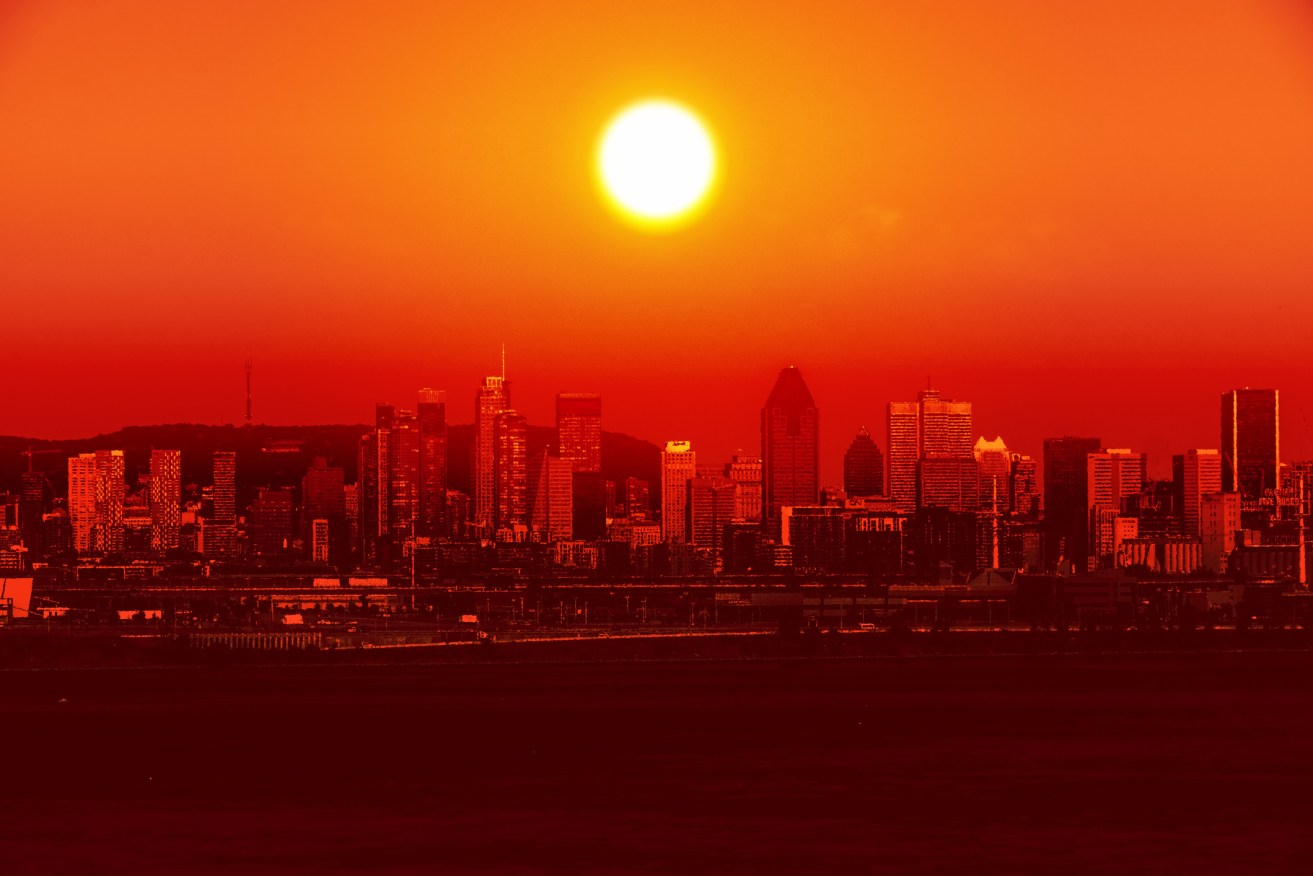
As temperatures climb, lives are lost. Photo: Getty
In Melbourne Tuesday, the temperature hit an extraordinary 45.
According to the state’s Emergency Management Commissioner, we’re experiencing our most significant heatwave since Black Saturday.
Much of the southeastern Australia is baking, just as it did in 2009 when over 400 people died in Victoria and South Australia as a consequence of the heat – twice as many as in the bushfires that followed.
Australia is getting hotter, fast. Extreme heat is our deadliest climate hazard – it kills more people than floods, storms, and bushfires combined.
But because the link between heat and premature deaths is underappreciated, we’re not recognising and addressing this health crisis as we should.
We can do better, by telling the truth about heatwaves, and by naming them.
Extreme heat strains every system in the body. It stresses the heart, destabilises diabetes, worsens respiratory conditions and intensifies mental health crises.
Emergency departments feel it first – on extreme heat days presentations spike, ambulance demand surges and hospital beds fill–with individuals suffering heat exhaustion, dehydration, falls, and cardiac events.
Mortality data shows an increase of up to 25 per cent in excess deaths during Black Saturday, Black Summer or the extreme heat hitting southern states this week.
Heat exacerbates inequality by disproportionately affecting the elderly and very young, those with chronic illnesses, outdoor workers and people in poorly insulated homes.
These impacts are not abstract. They’re the grandmother in a brick veneer home where night-time temperatures don’t fall below 30 degrees, the apprentice roofer pushing through a shift, the child in a sweltering rental with no insulation and a rattling box air-conditioner the family can’t afford to run.
Heat costs our country billions too – in lost work hours, strain on infrastructure and healthcare demand.
Productivity falls on high-heat days, especially in construction, logistics, agriculture, and manufacturing. Schools shorten sport, transport systems buckle and the electricity grid struggles.
The economics are clear – heat is already costing us. If we don’t stop burning coal and gas, heatwaves will become longer, hotter, more frequent and more dangerous.
According to the government’s Climate Risk Assessment released last year, if the world continues warming at its current trajectory, time spent in heatwave conditions will quadruple this century and heat-related deaths in my home city of Melbourne could rise by 259 per cent.
Clearly every fraction of a degree we avoid will save lives and budgets. The cheapest and most effective health intervention we can make is cutting the pollution that drives extreme heat.
There are other solutions to consider. We name cyclones, bushfires, even rain systems – because naming helps communicate risk, drive health and safety responses, and lodge events in public memory.
The media portrays heatwaves as ‘warm spells’, not as potential mass casualty events.
A naming system – paired with severity categories and consistent public messaging – would improve risk awareness, support targeted health outreach (such as welfare checks, pop-up cooling and medical reviews) and focus accountability.
When we know a “Category 4 Heatwave” is bearing down, we can plan ambulance rosters, open libraries and community centres as cooling hubs and pre-emptively contact at-risk patients.
The naming framework would be overseen by an independent national public authority such as the Bureau of Meteorology, in partnership with a health agency – ideally the Australian Centre for Disease Control.
It should use a severity scale (as already applies to cyclones), with thresholds linked to health outcomes as well as temperatures. Legal and scientific safeguards would ensure naming is evidence‑based and transparent.
The naming scheme should apply across jurisdictions to ensure consistent messaging and interoperability for emergency services and hospitals.
And it must sit within a much broader heat-health strategy: minimum cooling standards for rentals, stronger building performance for new homes, targeted bill support for medically vulnerable households, urban greening to cool our streets, worker heat protections and resilient energy systems.
There’s a further step worth serious consideration: naming extreme heat events after the companies most responsible for heat-intensifying emissions.
Why? Because causation matters. Major fossil fuel polluters know their products are heating our planet, but they continue to choose delay and doubt over responsibility.
Naming heatwaves after big emitters would correct a long-standing asymmetry – communities shoulder the health burden while polluters keep their reputations clean and consequences abstract.
This is not political theatre, it’s about public health communication. Symbols like this are how we codify warnings and risk. People act faster when they grasp the stakes. “Category 4 Heatwave Santos” would be more salient than “a hot spell”.
It would shift social norms. We’ve seen this with tobacco – when the causal link was accepted, public policy changed and lives were saved.
Naming heatwaves after polluters would support evidence-based policy and realistic solutions – investment in cooling infrastructure and heat-health services.
Effective public health communications start with statements of fact.
As temperatures climb, lives are lost. Naming heatwaves – even better, naming them after the entities most responsible for their intensification – would be a small but significant step in aligning causation with consequence.
It would help the public see what medical professionals see every summer that heat is a climate and health emergency with causes we can name and choices we can make.
We should start by calling heat what it is – a silent killer – and by asking those who profit from it to own their share of that harm.
Dr Monique Ryan MP is the Independent Federal Member for Kooyong .
Want to see more stories from The New Daily in your Google search results?
- Click here to set The New Daily as a preferred source.
- Tick the box next to "The New Daily". That's it.


Pork barrel rolls out again – it's time for a change

Long-awaited migrant plan reflects needs and fears