Not perfect, better: A new way forward for men and violence prevention

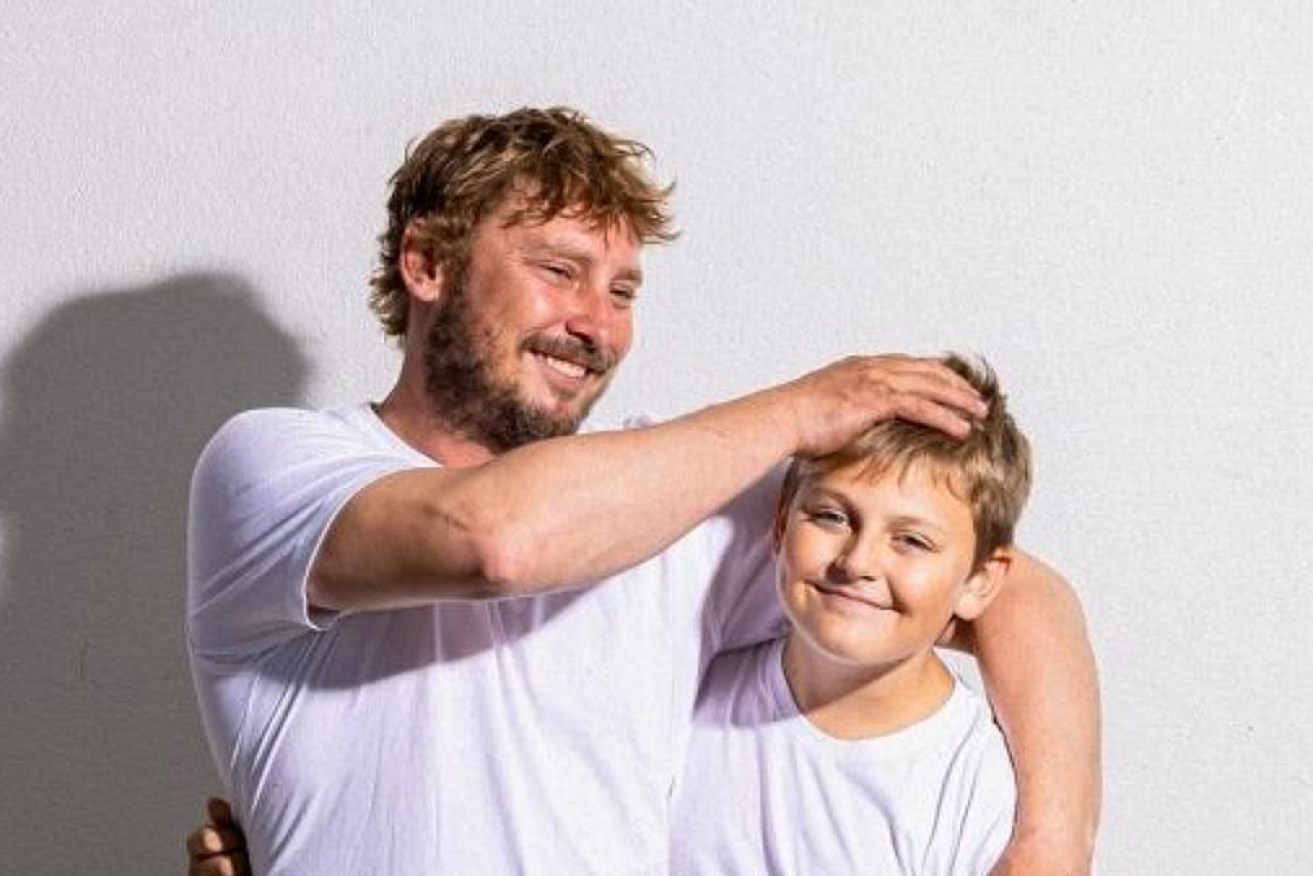
Preventing and reducing men’s violence against women will require culture change. Photo: White Ribbon Australia
Violence prevention campaigns in Australia increasingly have turned their attention to the positive roles that men and boys can play.
There is a widespread consensus that engaging men and boys is an important element of prevention efforts, reflected in both the national prevention framework “Change the Story” and the federal government’s action plan on domestic and sexual violence.
As someone who has spent more than 30 years in this field, I used to spend my time arguing for why we need to engage men and boys, but now I spend more time discussing how.
There are violence prevention efforts addressed to boys and young men in schools, fathers, male sports players and coaches and men in communities across the country.
There is a growing body of research on what works and does not work, and efforts in Australia are increasing in both scale and sophistication.
Programs and initiatives aimed at men and boys in Australia take for granted that positive, strengths-based messages are vital.
Our work should affirm the good in what men and boys do and are, emphasise how men and boys will benefit from progress towards gender equity and non-violence, acknowledge victimisation among men and boys, and support men’s and boys’ efforts at positive change.
We should recognise that boys and men in modern Australia face shifting and contradictory expectations about manhood, supporting them to make choices that are healthy for them and those around them.
Some media commentary has suggested that prevention work has been based in “shaming and blaming” men, but that is false.
Any prevention practitioner or educator working with men and boys will tell you this is a surefire way to prompt disengagement and backlash, and the work, in fact, is grounded in a deep compassion and hope for men and boys.
Practitioners “call in” rather than “calling out” men and boys – they meet males where they are, acknowledge the constraints on their lives, and build supportive relationships and communities.
At the same time, strengths-based messaging to men and boys should not reflect naïve optimism or premature congratulation.
We must acknowledge that a substantial minority of men and boys either use or condone violence against women.
Prevention work should include a robust critique of the sexist inequalities that feed into violence against women. And we should expect that supportive men will not only talk the talk but try to walk the walk.
A new campaign from White Ribbon Australia invites men in. It asks men to embrace progress, not perfection, with the tagline, “Not Perfect, Better”.
The campaign grew out of White Ribbon’s 2024 work listening to men and boys in a series of focus groups and interviews.
Men from many backgrounds said that while they cared about violence against women, they weren’t sure about doing anything to help prevent it, because they didn’t feel equipped or qualified. One man asked, “If I’m not perfect, can I still speak up?” The answer – yes.
Too many men feel that unless they have a perfect record in their treatment of women, they cannot intervene, challenge a joke, or speak up when something feels wrong.
That paralysis is part of the problem. The “Not Perfect, Better” framework lowers the barrier for men to do something. It invites men to make everyday, positive changes in how we act with partners, children, friends and ourselves.
The campaign is about the everyday fabric of our lives, not big public protests. It is intended to build the behaviours, the habits, the interactions among men, women, children and others that contribute to respect, gender equity, and non-violence.
The campaign therefore contributes to primary prevention, to making it less likely that people will use violence and people will suffer violence.
Preventing and reducing men’s violence against women will require culture change, because this violence is rooted in gender norms, institutional climates, and power inequalities.
While we must step up our efforts to support victim-survivors and to hold perpetrators accountable, we must also work to build a culture in which every man will find it unthinkable to use or condone violence in the first place.
To play positive roles in ending this violence, men don’t have to be perfect. We just have to be willing to show up, speak up, and lead by example.
Michael Flood is a professor at the Queensland University of Technology and an internationally recognised researcher on men, masculinities, and violence prevention
Want to see more stories from The New Daily in your Google search results?
- Click here to set The New Daily as a preferred source.
- Tick the box next to "The New Daily". That's it.


Pork barrel rolls out again – it's time for a change
Long-awaited migrant plan reflects needs and fears