‘Very bad day’ ahead as heat engulfs parts of Australia

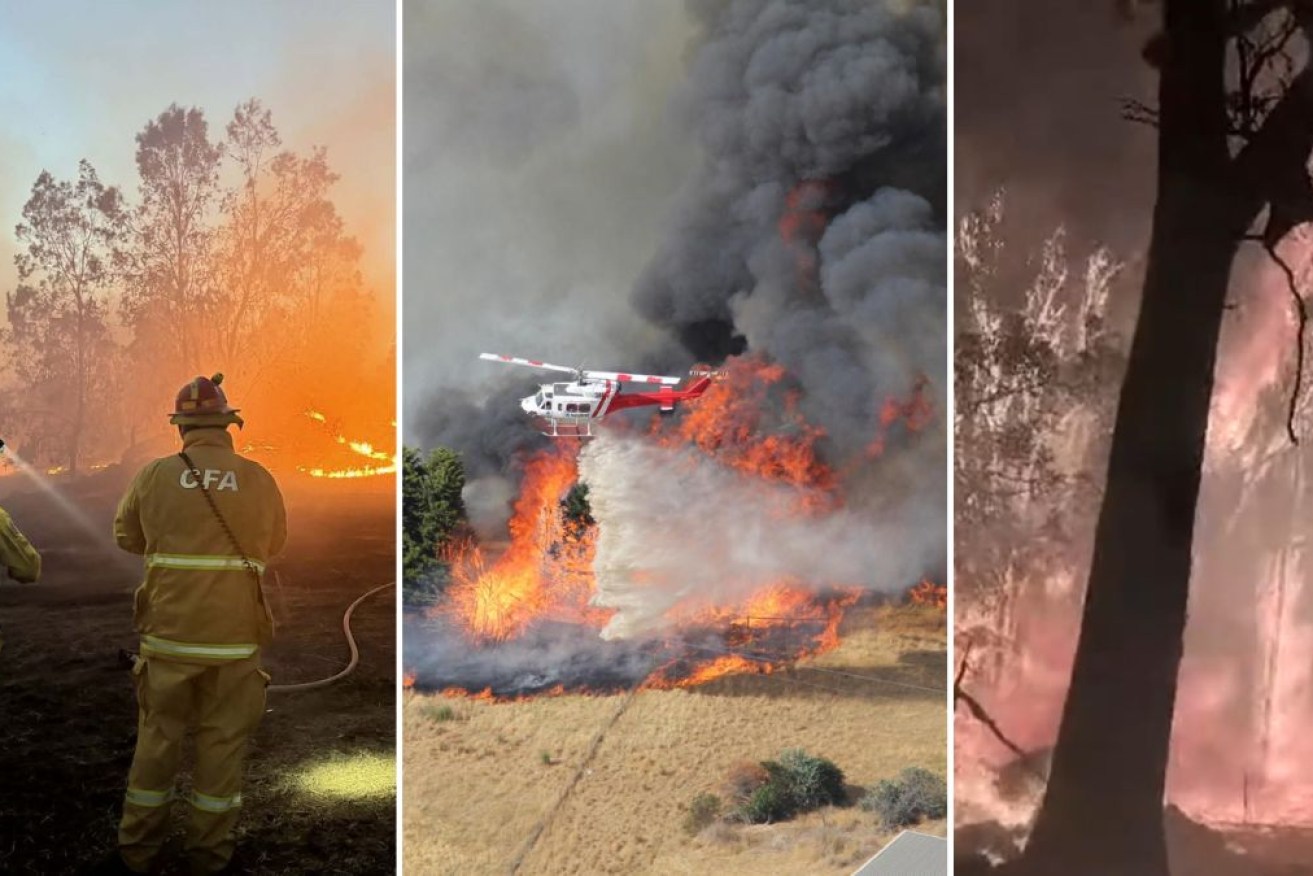
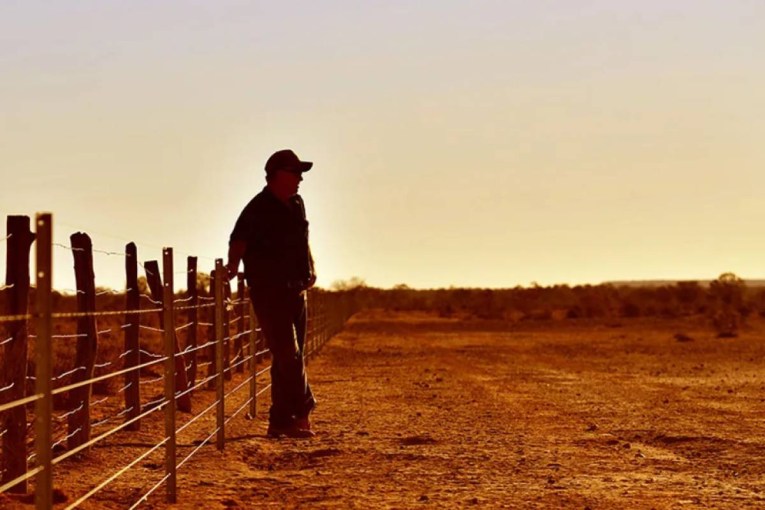
Out-of-control bushfires are spreading in regional Victoria. Photo: Supplied
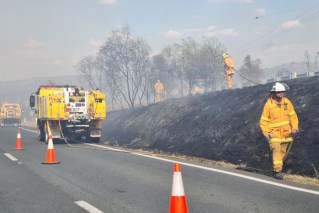
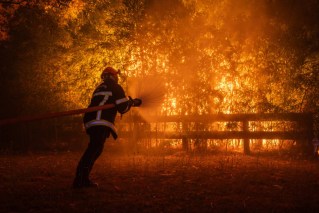
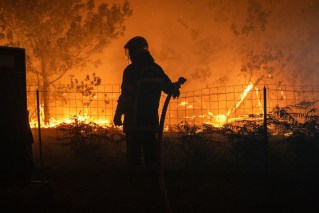
Evacuation orders have been issued on Thursday night for dozens of communities in Victoria as two major bushfires burn out of control and threaten homes.
The state is bracing for a perfect storm of horror bushfire conditions on Friday — with an ongoing heatwave bringing temps as high as 47 degrees, windy conditions and lightning strikes.
Residents across more than 40 communities in northern and north-east Victoria were issued evacuation orders on Thursday night.
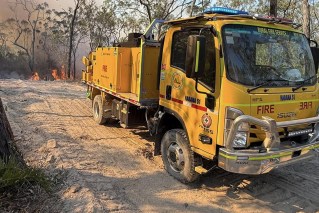
Two major bushfires are burning at Longwood, in northern Victoria and Walwa, in the north-east, and have not been contained.
People were told to “leave immediately” and take shelter in relief centres at these locations:
- Walwa fire: Berringama, Bungil, Burrowye, Cudgewa, Cudgewa North, Granya, Guys Forest, Mount Alfred, Mount Alfred Gap, Pine Mountain, Shelley, Thologolong, Walwa, Beetoomba, Colac Colac, Lucyvale, McNamara Crossing, Nariel Creek, Nariel Gap, Nariel Valley, Shelley, Staceys Bridge, Thowgla Valley, Willow Crossing.
- Longwood fire: Ancona, Bonnie Doon, Cathkin, Caveat, Dropmore, Fawcett, Ghin Ghin, Gobur, Highlands, Kanumbra, Kerrisdale, Killingworth, Koriella, Merton, Molesworth, Tarcombe, Terip Terip, Trawool, Whanregarwen, Whiteheads Creek, Woodfield, Yarck.
CFA Chief Officer Jason Heffernan told the ABC TV on Friday that a “number of properties” had been lost around Longwood.
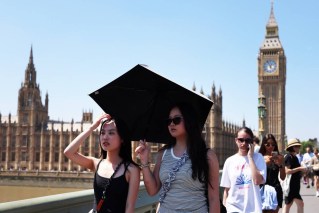
A major heatwave across Australia’s southeast, which started on Wednesday, is expected to continue pushing up the mercury with temperatures forecast to reach 41 degrees in Melbourne and up to 47 degrees in parts of inland Victoria on Friday.
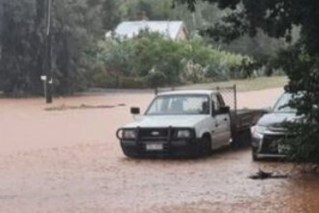
But in Queensland, the tropical north remains on high alert for more flooding as a menacing cyclone lurks off the coast.
A monsoon trough extending across far north Queensland and a tropical low moving slowly towards the coast mean there will be no reprieve for communities that have endured flooding during the New Year period.
The weather bureau said there was a 25 per cent to 45 per cent chance the low could develop into a tropical cyclone before the system crossed the coast, forecast for about lunchtime on Saturday.
Meteorologist Sarah Scully said because the low would not remain over the water for long, it was unlikely to develop into a cyclone any greater than category one in strength.
“Regardless of whether it does develop into a tropical cyclone or not, it is expected to bring a lot of rainfall and wind to the coast,” Scully said.
She said six-hour rainfall totals of between 100 millimetres and 180 millimetres were possible, with isolated falls of more than 200 millimetres in coastal areas.
The tropical low was embedded within the monsoon trough and would move southwest towards the Gulf of Carpentaria after crossing the coast, Scully said.
Further falls of up to 150 millimetres were possible on the west of Cape York, especially further north.
The Bureau of Meteorology has issued a severe weather warning extending from north of Cooktown south to Hamilton Island in the Whitsunday group.
‘Very bad day’ for Victoria
Little Yarra Country Fire Authority captain Peter Cookson, who has been fighting a blaze at Longwood, Victoria, said the conditions made him nervous, despite his years of experience.
“It’s all going to be a very bad day,” he told AAP.
“We all prepare for these days, and if nothing happens, that is a win.
“But you can’t say nothing will happen — with these things, they can all start from a spark.”
The Longwood fire has razed more than 28,000 hectares while flames near Walwa and Mount Lawson along the Victoria/NSW border have burned more than 9000 hectares.
Wind gusts of up to 90km/h and a severe thunderstorm risk could cause erratic fire behaviour, the Bureau of Meteorology warned.
A number of new fires have already sparked across the state due to dry lightning, State Control Centre spokesman David Nugent said.
“Under those catastrophic conditions, there is real potential for lives and homes to be lost,” he told AAP.
The strong winds could also ground the firefighting air fleet.
“It’s every chance at some point the aircraft may not be able to fly,” CFA chief Jason Heffernan said.
“We can expect if a fire takes hold, and we see the fire spread the way they’re going, they’re going to be uncontrollable. They’re going to be unstoppable.”
Paramedics and first responders in catastrophic fire danger areas will be withdrawn on Friday and will only be redeployed to these zones for serious or life-threatening illnesses, Ambulance Victoria said.
The heatwave is expected to affect the ACT and NSW, where a total fire ban has been declared in the eastern Riverina, southern Riverina, southern slopes and Monaro alpine regions for Friday.
Temperatures will not be quite as high in NSW, with Sydney set to reach a maximum of 33 degrees and Canberra expected to hit a high of 39 degrees.
But things are set to worsen on Saturday with the harbour city expected to reach 42 degrees, with even warmer temperatures forecast for the western suburbs.
NSW Ambulance chief superintendent Steve Vaughan urged residents to begin preparing for the hot conditions and stay cool, hydrated, and indoors during the hottest part of the day.
“Heatwaves put real pressure on your body, with consecutive days of relentless heat causing stress that builds up over time,” he said.
-with AAP
Want to see more stories from The New Daily in your Google search results?
- Click here to set The New Daily as a preferred source.
- Tick the box next to "The New Daily". That's it.