Lives and homes under threat as heatwave takes hold

Source: BOM
Temperatures are set to soar further in parts of southeast Australia on Thursday amid warnings that uncontrollable bushfires could threaten lives and homes.
Smouldering states face catastrophic fire conditions after the most intense heatwave in six years began sweeping across the country on Wednesday.
Weatherzone said maximum temperatures on Thursday could exceed 46 degrees in inland parts of South Australia, with the highest likely to be in Coober Pedy (47 degrees) and Renmark (46 degrees).
However, Adelaide is expected to drop from a scorching 43 degrees on Wednesday to 39 degrees on Thursday and 34 degrees on Friday, before cooling down more substantially from Saturday.
In Victoria, Mallee is likely to see the state’s highest temperatures with 46 degrees on Thursday and 45 degrees on Friday, says Weatherzone.
Melbourne should ease after its hottest day in six years on Wednesday (41 degrees), falling to 30 degrees on Thursday before rising to 40 degrees on Friday.
In NSW, Balranald and Wentworth are forecast to hit 46 degrees on Thursday and Friday.
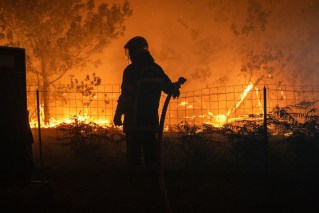
The heat spike left many states smouldering, amid warnings that bushfires could take hold in the extreme conditions.
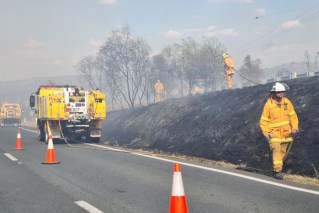
A bushfire continues to burn more than 1000 hectares at Mount Lawson on the border of Victoria and NSW, while two out-of-control fires burn at Longwood along the Hume Freeway and south near Ruffy.
A total fire ban is in place for the Mallee, North Central, North East and Northern Country regions on Thursday.
Victoria faces fire dangers in the upper end of extreme on Friday, with the districts of Wimmera, Northern Country and North Central forecast to meet catastrophic levels, State Control Centre spokesman David Nugent said.
“Catastrophic fire danger rating is the most dangerous set of conditions for us for firefighting,” he said.
“If a fire starts and takes hold, lives and homes are likely to be lost.”
Bureau of Meteorology forecaster Bri Macpherson said Friday was a significant fire danger day because vegetation dried out by lingering hot air combined with winds and dry thunderstorms increased the risk of ignition.
Ground crews were preparing for aggressive first attacks to douse fires before they could take hold, Forest Fire Management Victoria chief fire officer Chris Hardman said.
“If we can’t catch those fires when they’re small — and I mean really small, one tree burning through lightning — then those fires are going to get big and have dreadful impacts on the community,” he said.
The heat is set to move into the ACT and NSW from Thursday through to the weekend, with the national capital expected to peak at 38 degrees on Thursday and Friday.
Temperatures in parts of NSW were also on the rise, meteorologist Miriam Bradbury said, reaching the high 30s to low 40s as severe and extreme heatwaves took hold in the state’s southeast, eastern and inland districts.
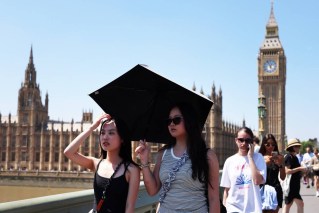
But even before Sydneysiders feel the brunt of the 42 degrees peak on Saturday, people with asthma or other respiratory conditions are warned to avoid outdoor exercise because the heatwave is expected to cause poor air quality in the city’s southwest and northwest.
The ozone, which can exacerbate lung and health issues, generally builds during hot conditions, peaking in the mid-to-late afternoon and easing off as temperatures fall, according to NSW’s Environment Department.
Last year was Australia’s fourth-warmest year on record and 2024 was the nation’s second warmest.
Roads melt, but locals keep their cool
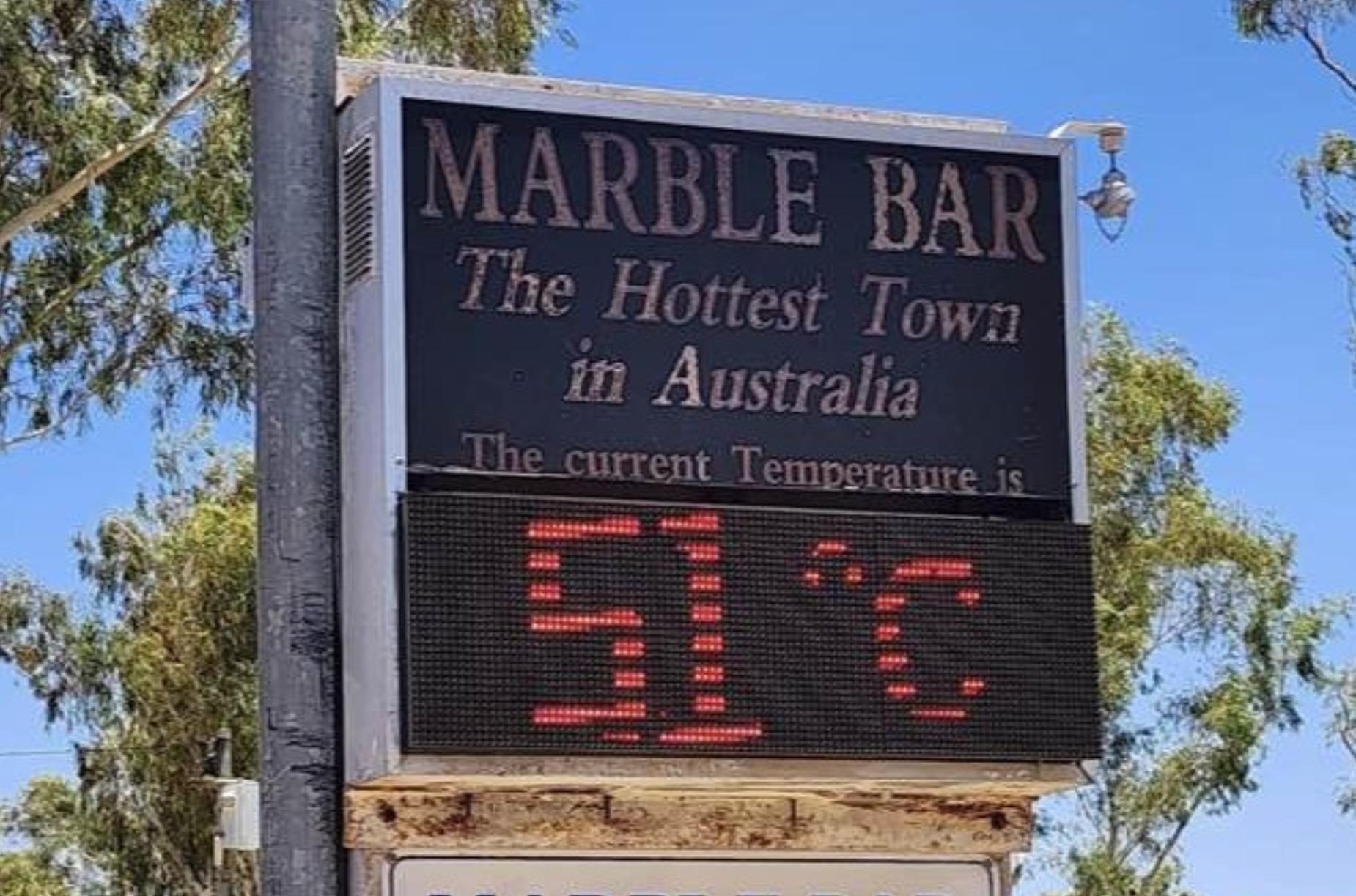
A temperature gauge in Marble Bar, WA. Photo: AAP
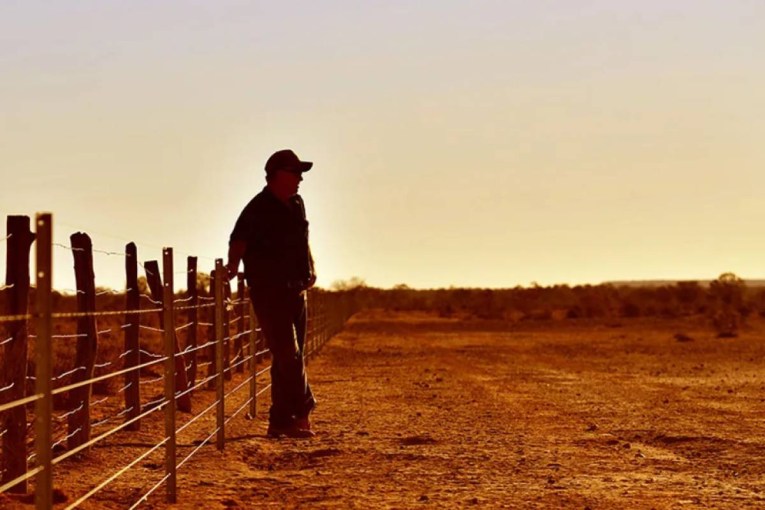
In the town famed as Australia’s hottest place to live, the locals have learned to “lean into” the extreme nature of their everyday weather.
Extended heatwaves are common in Marble Bar, in the Western Australia’s Pilbara, where the record temperature was 49.3 degrees in December 2023.
“We deal with it for six, seven months of the year — it’s tough going,” Marble Bar Community Resource Centre coordinator Bazz Harris said.
“Most of the locals lean into it — people will walk 100 metres down to the general store and they make sure they’ve got a hat and a bottle of water.
“The trick is to get a cool night’s sleep, get six seven hours in a cool environment at night, and you can deal with the day.”
Since January 1, the town has not recorded a daytime temperature under 42 degrees, and on Wednesday, it was above 47 degrees.
Last summer, the town had a 26-day stretch of maximums over 43 degrees, and during its most famous heatwave in 1923-24, there were 160 consecutive days over 37.8 degrees.
“We’ve got six generations of people who have called it home, but for the ring-ins, which is me and everyone that runs a business in town, it’s different,” Harris said.
“It’s hard to keep staff here. People come up and take jobs, and when they get those string of 12-15 days of 40 degrees-plus, then you quickly figure out who’s gonna be hanging around and who’s gonna go.”
-with AAP
Want to see more stories from The New Daily in your Google search results?
- Click here to set The New Daily as a preferred source.
- Tick the box next to "The New Daily". That's it.