Ask the Expert: After recent investment collapses, this is what you need to know

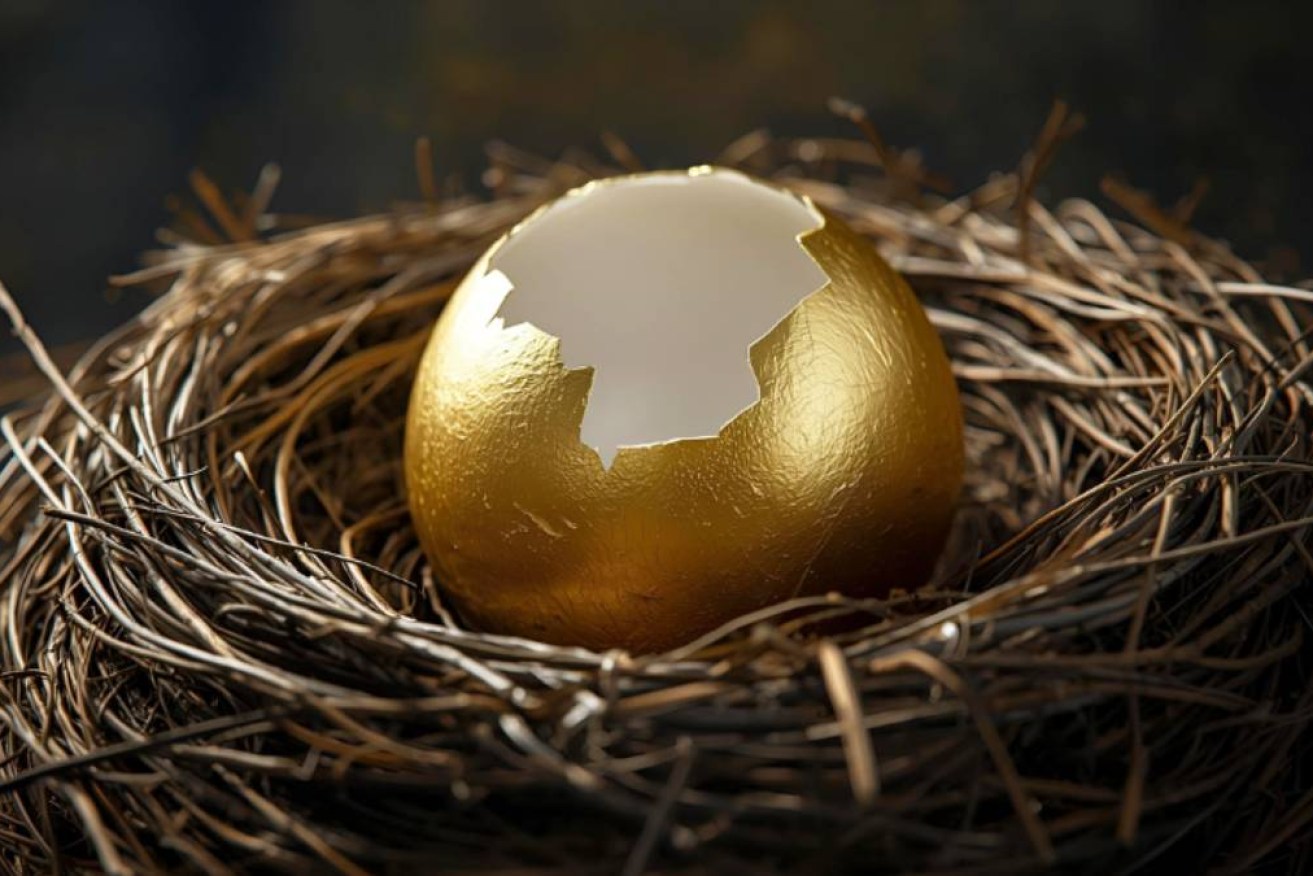
Photo: TND/Canva
Question 1
I am lost, and have lost faith. I don’t know what to do and who to trust.
I have a self-managed superannuation fund with $200,000 of $266,000 invested in a portfolio/company that is now in administration.
I am lost as how to go about getting any information or answers about what is going to happen to what is my whole super savings. Will I ever see it again?
I am coming to terms with the worst after receiving the most recent email from the administrators – being categorised as an investor and not creditor (bottom of the handout barrel).
I would like advice on where to start with what I have left ($66,000).
As you could understand, I have lost trust in advice from anyone I talk to, and it is hard for me to envision positive outcomes from any investment strategy.
For the record, I’m 47, and was planning a modest retirement of travel and worry-free day-to-day spending.
It’s not all doom and gloom, as I own my place of residence and have two investment apartments to the net worth of about. $1.3 million.
Sorry to hear about your situation.
I’m not sure about your exact circumstances but I know thousands of superannuation funds/investors have also been caught up in First Guardian, Shield collapses.
It raises a few important points.
First, diversification. Having all your investments in one – or even a handful of – investments is high risk.
The big super funds are much more transparent in what they invest in. For example, Australian Super lists all its investments on its webpage What we invest in | AustralianSuper. Its “Balanced” fund alone has more than 1000 investments.
Next, people often don’t realise their responsibilities if they run a SMSF. They are not just a member of the fund but a trustee, which requires important considerations and decisions.
It’s also worth noting that SMSF don’t have the same level of protection given to Australian Prudential Regulation Authority-regulated super funds (such as industry and retail funds).
If someone rings you out of the blue or you click on a link to someone selling an SMSF and/or investments that promise great returns, be very careful.
There are reports coming out that show outsized projections when trying to sell these products.
In the example linked above, the projections shown to the investor reflected expected 5.5 per cent returns from her AustralianSuper MySuper balanced option, while the First Guardian growth option through YourChoice Super, would show 9.88 per cent annually. These projections were inaccurate and misleading.
You will need advice about whether to retain your SMSF (because of the “frozen” investments you have within it). Otherwise, look to invest the majority of your super in a large, well-trusted fund. You can use the ATO’s comparison tool to assist.
You should also consider seeking advice from a qualified and licensed financial adviser who is also a member of the Financial Advisers Association of Australia.
Finally, as you said, it’s not all doom and gloom given the properties you own. However, be mindful of diversification with your non-super investments as well, given you have all your funds in a couple of properties.
Question 2
I am a 45-year-old single mother of two. I work full time paying rent and bills. I badly need a new car.
Can l, based on my needs, get access to super to help buy a car?
Access to superannuation before age 60 is not easy. “Preservation” of funds is a cornerstone of how the system operates.
Apart from allowing access under the First Home Super Saver Scheme or dying (the extreme option), the other mechanisms are:
Severe Financial Hardship
- You have been receiving Commonwealth income support payments for a continuous period of at least 26 weeks (such as JobSeeker or disability pension).
- You are still receiving above payments at the time of application, and
- You are unable to meet “reasonable and immediate” family living expenses.
If you do meet the above, a maximum of $10,000 can be paid.
Compassionate grounds
The compassionate grounds condition of release (applied directly through the ATO) will allow superannuation benefits to be accessed only in very limited circumstances, including:
- To pay for medical treatment.
- To enable loan repayments to prevent foreclosure of your principal place of residence (your home).
- To pay for modifications to your home or vehicle to accommodate the needs of a family member or dependant with a severe disability, or
- To pay for costs associated with a member’s palliative care, or a member or dependant’s death, funeral or burial.
General living expenses are unlikely to fall into this category.
Craig Sankey is a licensed financial adviser and head of Technical Services and Advice Enablement at Industry Fund Services.
Disclaimer: The responses provided are general in nature, and while they are prompted by the questions asked, they have been prepared without taking into consideration all your objectives, financial situation or needs.
Before relying on any of the information, please ensure that you consider the appropriateness of the information for your objectives, financial situation or needs. To the extent that it is permitted by law, no responsibility for errors or omissions is accepted by IFS and its representatives.
Want to see more stories from The New Daily in your Google search results?
- Click here to set The New Daily as a preferred source.
- Tick the box next to "The New Daily". That's it.

Albanese's softly-softly just won't cut it any more


Once and future egalitarian nation of Australia