Federal budget to curb some EV tax breaks
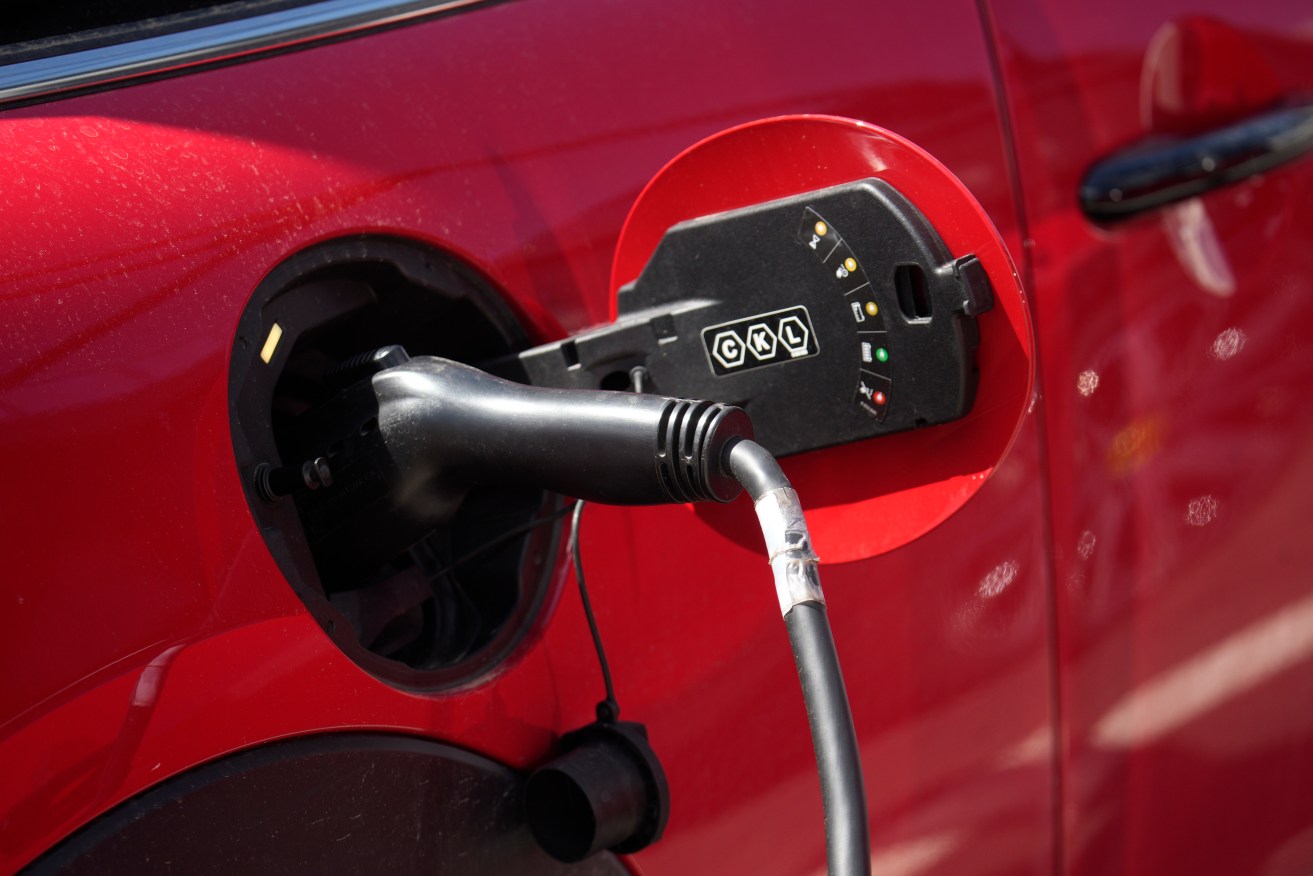
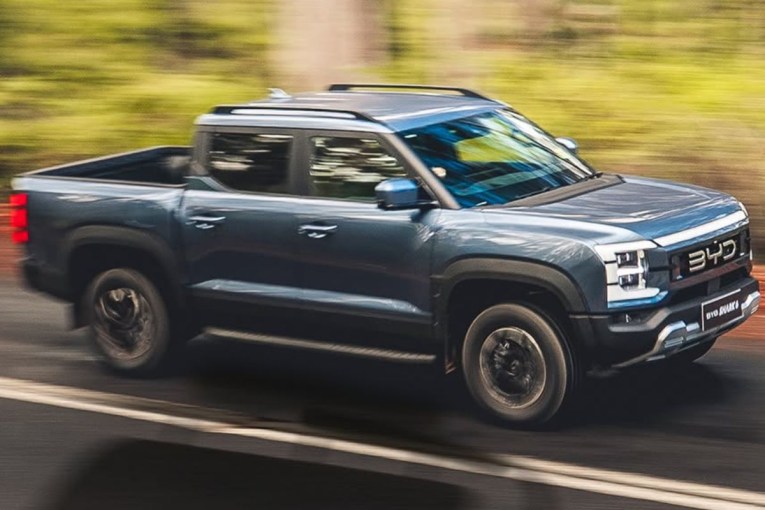
Winding back tax exemptions for EVs will allow manufacturers to focus on cheaper models for drivers, Bowen says Photo: AAP
Winding back tax discounts for more expensive electric vehicles won’t curtail demand, Energy Minister Chris Bowen predicts.
Just a week out from Treasurer Jim Chalmers handing down his fifth budget, senior ministers have also been forced to play down reports of income offsets between $200 and $300 for everyone who pays tax also in the fiscal blueprint.
On Tuesday, Chalmers and Bowen announced measures allowing employers to avoid fringe benefits tax on EVs that cost less than $91,387 and are bought through novated leases. It will instead become a permanent 25 per cent discount on that tax.
From April 2027, the full tax discount will apply only to EVs that cost $75,000 or less. Vehicles that cost more than $75,000 but are below the luxury tax threshold will receive only a 25 per cent discount.
Also from April 2027, all EVs below the luxury tax threshold will receive only the 25 per cent discount.
The luxury tax threshold is $91,387 but rises each year with inflation.
Bowen said the changes would encourage car manufacturers to focus on more affordable models of EVs.
“We certainly expected EV take-up to remain very, very strong. It’s been increasing, obviously, particularly in recent months,” he told ABC Radio.
“It may be that some Australians, particularly from 2027 onwards, choose to buy a slightly more affordable EV, below $75,000 instead of below $91,000 but they believe that the take-up will continue at pretty close to current rates.”
The cost of the tax break to the federal budget has blown out in recent years from an initial $90 million to $1.35 billion in 2025-26. It had been expected to rise to $3 billion by 2028-29.
But a phased tightening of the incentive will save taxpayers $1.7 billion over four years from the 2026-27 budget.
EVs eligible for the discount will continue to be exempt from import tariffs.
“It is a substantial saving, but it’s a better calibrated support for EV purchases, which, as I said, the country benefits when we have a higher EV take-up,” Bowen said.
While the scheme has helped encourage EV uptake, the Productivity Commission found the incentive was the most costly of government policies to reduce carbon emissions, at $987 to $20,084 for every tonne of CO2 abated.
Lachlan Vass and Amy Tramontozzi, researchers at independent think tank e61 Institute, identified two major flaws in the scheme.
The incentive increases with the cost of the vehicle, so encourages people to purchase more expensive EVs.
Second, the subsidy it provides increases in line with the buyer’s income, so disproportionately benefits high income-earners.
Elsewhere, The Australian reported on Tuesday that an earned-income offset of between $200 and $300 for everyone who gets a wage or salary and pays tax will be a centrepiece of next week’s federal budget.
Health Minister Mark Butler said the reports were only rumours.
“I’m not going to respond to unsourced speculation in one newspaper,” he told Nine’s Today program.
“We’ve only got a week to wait until we see what is in the budget, both on tax, on spending, on saving and a range of other things, and then I think people will be in a position to assess what exactly we are doing, rather than speculation.”
Shadow treasurer Tim Wilson said large-scale offsets would only inflame the economic situation.
“We know the consequences. The IMF (International Monetary Fund) has said if you go down this path, it will fuel inflation,” he told Nine’s Today program.
“It will give with one hand and then take even worse and harder with another.”
Republished from InDaily
Want to see more stories from The New Daily in your Google search results?
- Click here to set The New Daily as a preferred source.
- Tick the box next to "The New Daily". That's it.