Big fall in spending eases Reserve Bank inflation fears
Source: Reserve Bank of Australia
Higher bulk-billing rates and earlier sales have driven a sharp decline in spending, which will take some pressure off the Reserve Bank to raise interest rates again.
The RBA hiked the official cash rate last week, for the first time in more than two years, citing faster-than-expected growth in private demand pushing the economy out of kilter and causing a resurgence in inflation.
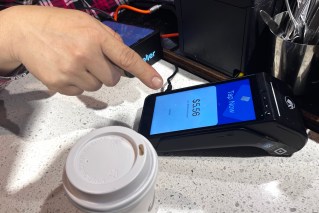
But a 0.4 per cent monthly dip in household spending in December, reported by the Australian Bureau of Statistics on Monday, will help allay fears that consumption is gathering steam.
The contraction follows rises in spending of 1 per cent in November and 1.4 per cent in October.
ABS head of business statistics Tom Lay said December’s fall indicated households brought forward spending to take advantage of sales events such as Black Friday in the previous two months.
“We saw high spending in October and November, which had major sales and cultural events boost spending,” he said.
There were falls in expenditure across a range of categories, including discretionary items such as electronics, clothing and furniture, as well as essential items like healthcare, Lay said.
Clothing and footwear spending was down 2.4 per cent, while health spending declined 1.3 per cent, partly due to higher bulk-billing rates reducing out-of-pocket costs for households, he added.
Spending growth fell from 6 per cent in the year to November to 5 per cent in the 12 months to December.
Despite the monthly decline, Oxford Economics Australia lead economist Ben Udy said spending rises were still running at a solid 0.9 per cent quarter-on-quarter.
It would have been even higher, at 1 per cent, if not for the proliferation of black-market tobacco, which is not included in the official figures.
“Looking ahead, the RBA’s rate hike last week will weigh on spending growth in 2026,” Udy said.
“However, we expect inflation to cool over the course of the year which, along with solid wage growth, should prevent consumers from turning too sour.”
While strong household spending underpinned the surprisingly rapid recovery in private demand, a spike in business investment also contributed.
That was largely attributed to a sharp rise in data centre capital expenditure, with large scale projects coming through the pipeline in the December quarter.
However, developers were increasingly running into constraints, most notably around access to reliable electricity, Deloitte Access Economics director Sheraan Underwood said.
The company’s investment monitor database added $28 billion in data centre projects in the past year, driving a 57 per cent rise in the value of projects in the finance, property and business services industries.
“The vast majority of these projects remain in the planning stages, meaning the pipeline has yet to translate into a sustained lift in construction activity,” Underwood said.
“Progress will depend on continued growth in the use of AI, as well as access to a stable and cost-effective supply of electricity.”
It remained too early to tell whether AI would provide the sustained boost to productivity needed to lift Australia’s growth potential and living standards, the report said.
But investment in technology infrastructure would enable more data-intensive business models, greater automation and innovation across other industries.
Despite the challenges of the energy transition, Australia’s strategic location in the Asia-Pacific and relatively stable regulatory frameworks have made it the second-largest destination for data centre investment after the United States.
-AAP
Want to see more stories from The New Daily in your Google search results?
- Click here to set The New Daily as a preferred source.
- Tick the box next to "The New Daily". That's it.


Houses, town water supply sold in mining deal
RBA hike wipes out more than a year of savings

Rates hikes won't fix inflation from fuel prices