There’s a surprising and simple driver of December inflation jump

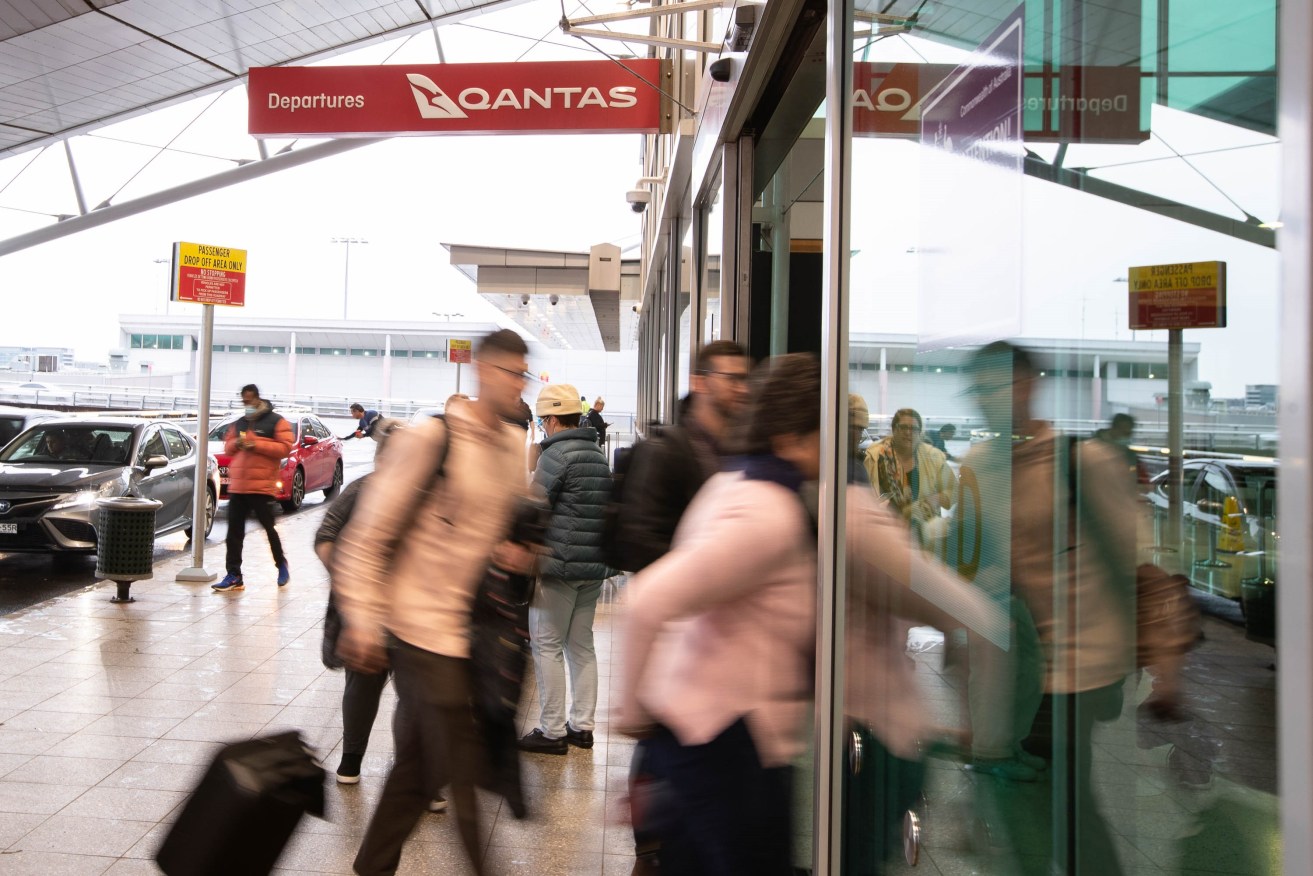
Overseas travel costs overwhelmingly drove December's rise in inflation. Photo: Getty
Inflation data released by the Australian Bureau of Statistics last week showed the annual increase in the monthly CPI was 3.8 per cent. The increase just for the month of December was 1 per cent.
Prepare for all the predictions that the Reserve Bank will increase rates at this week’s meeting, to contend with “higher than expected” inflation.
But before the RBA does that, let’s take a closer look. The inflation numbers seem high, until you realise the large monthly increase was driven almost entirely by holiday travel and accommodation.
You read that right. Almost all of the increase in inflation in December was because of higher holiday travel and accommodation prices. It accounted for a massive 98 per cent of the increase.
Who would have thought that holiday prices went up in December’s peak season?
The lion share of the increase in holiday travel and accommodation prices was for overseas holidays, which made up 71 per cent of the monthly increase,. Domestic holiday travel and accommodation made up 27 per cent of the monthly rise.
Remember that when you hear commentators and pundits confidently call on the RBA to increase interest rates.
They’re really saying that interest rates should go up to combat the price increase of holidays to Europe in December.
Apparently, higher interest rates in Australia can bring down overseas holiday prices.
So big is the increase in holiday prices that if we remove them from just the December quarter figures, the annual headline rate of inflation crashes down from 3.8 per cent to 2.8 per cent, safely within the central bank’s target band of 2-3 per cent.
Source: AAP
Now I’m sure that some people are concerned about the price of overseas trips. But let’s look at the price increases of things that everyday Australians have been more concerned with.
Electricity prices have been very volatile. This has been driven by the timing of state and federal subsidies. The annual increase in electricity prices was 21.5 per cent, but in December they didn’t increase at all. They remained at the same price as in November.
Increases in rents have been a large source of pain for many households in recent years. However, their increase is slowing. They increased 3.9 per cent in the past year, down from a 4 per cent rise in November.
Automotive fuel prices, which mainly includes petrol and diesel, was flat, having fallen slightly in the past 12 months. Insurance, another recent pain point, has increased only 2.6 per cent in the past year.
All of this shows slowing inflation in these important areas.
The Reserve Bank pays close attention to the trimmed mean, which aims to exclude volatile items to get a better idea about what is happening. The trimmed mean increased 3.3 per cent for the past year, up from 3.2 per cent in November. But looking closer, we see that these figures are almost identical, and the difference is largely because of rounding (3.27 per cent versus 3.22 per cent).
This is all happening at the same time the ABS has changed how it measures inflation. It is moving from a quarterly to monthly CPI. If this change happened when inflation was low and stable, it would be easy to work out the differences caused by the change.
But in the past four years, inflation has been elevated and volatile. This makes the whole process a swirling mess of uncertainty. What impacts are because of actual changes in inflation and what is because of the changes in measurement?
What most people will be wondering is what impact these latest figures will have on interest rates.
Hopefully the RBA will look at these figures in the broader context. The previous drivers of inflation appear to be fading and there is uncertainty around what the actual inflation figures are saying. In such a situation, more time is needed to work out exactly what is happening.
What we can say is that December was the worst time to travel first class. That might be sad for those who want to travel the world, but it is hardly a compelling case to increase interest rates on the rest of us.
Matt Grudnoff is senior economist at the Australia Institute
Want to see more stories from The New Daily in your Google search results?
- Click here to set The New Daily as a preferred source.
- Tick the box next to "The New Daily". That's it.


Pork barrel rolls out again – it's time for a change
Long-awaited migrant plan reflects needs and fears