Differences in supermarket prices revealed: Australia, UK, Ireland and New Zealand

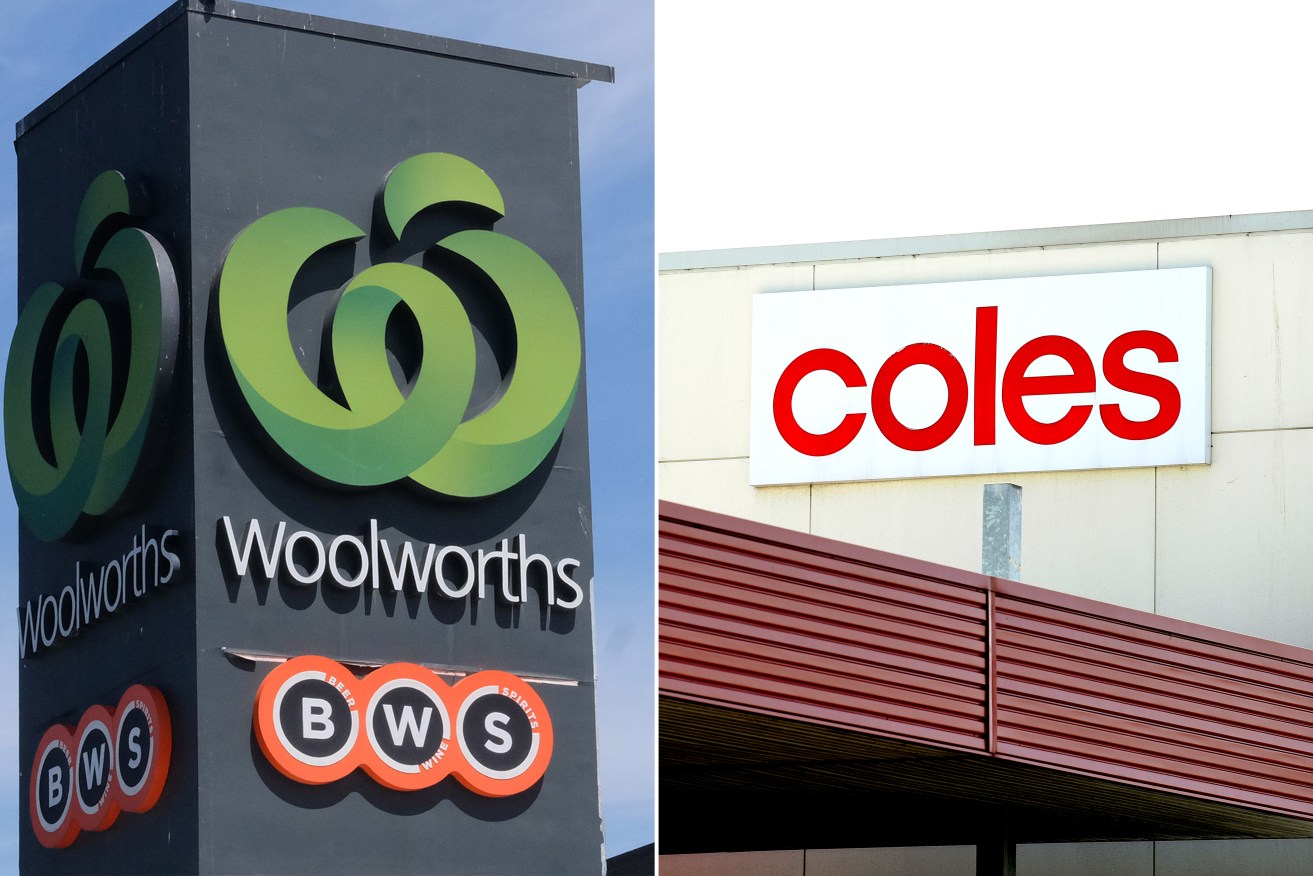
Retailers say tighter pricing regulations will drive up costs and shoppers will miss "great deals". Photo: AAP
Australians are paying more for many groceries than families in the United Kingdom and Ireland, according to new analysis, which has revealed differences in how supermarkets price goods.
Research published by Edith Cowan University shows a basket of 44 common goods – including potatoes, beef mince and lettuce – costs between $324 and $332 in Australia.
That compares to $283 to $297 in the UK and $313 to $345 in Ireland.
But the basket of goods was more expensive in neighbouring New Zealand, costing $409.
Edith Cowan University associate professor Flavio Macau and Dr Alex Wang, who authored the research, said the findings were corrected for varying sizes and converted to Australian dollars.
“This analysis reveals that while Australians may not be receiving the best possible deals, they are not in the worst position either,” they said.
Macau and Wang said their research was motivated by mounting regulatory scrutiny over Australia’s two largest supermarket chains, Coles and Woolworths, in the past few weeks.
On Tuesday, Prime Minister Anthony Albanese will put the supermarket giants on notice over their “dodgy practices”.
The Australian Competition and Consumer Commission (ACCC) will be given a $30 million boost to crack down on “unfair” practices by supermarkets and retailers.
The extra money will help the ACCC complete more investigations and enforcement.
“We don’t want to see ordinary Australians, families and pensioners being taken for a ride by the supermarkets, and we’re taking steps to make sure they get a fair go at the checkout,” said Albanese.
The ACCC is investigating whether “oligopolistic” market structures in Australia are resulting in more expensive food for families.
The ACCC is simultaneously suing Coles and Woolworths over what it calls “illusory” discounting.
Trust in the major supermarkets is also plummeting, with separate figures published on Monday suggesting 26.7 per cent of people are changing their shopping behaviour to avoid companies they think are exploiting them.
Competition and pricing
The Edith Cowan research looked at differences in prices between dominant supermarkets in the UK, Ireland and NZ to understand how market dominance plays a role in food prices.
In Australia Woolworths and Coles have a combined market share of 65 per cent, they said, compared to 70 per cent for the big two in NZ (Pak’n’Save and Woolies-owned Countdown).
In the UK, Tesco and Sainsbury’s control about 42 per cent of the market, while in Ireland Dunnes and Tesco hold a slightly higher 45 per cent share.
“From the outset, it was evident that prices vary significantly more overseas,” Macau and Wang said.
“In the UK, over half of the products showed differences between the two main players. Where prices were identical, it was typically to match Aldi, a robust third competitor.
“In Ireland, prices differed for two out of every three products, while in New Zealand, all but one product had different prices when we collected our data.”
Accounting for purchasing power
But it’s also important to recognise nuances in purchasing power when accounting for grocery price differences between different countries.
The research shows that Australians look much better off when accounting for differences in wage rates between each economy.
For example, though prices are slightly lower in Ireland than Australia, their minimum wage is $20.75 compared to $23.23 in Australia, meaning an additional one or two hours work is needed to afford the same basket of goods.
“Using the median wage as a reference, Australia ($65,000) [also] aligns closely even with the UK (56,700),” Macau and Wang said.
“Annually, both UK and Australian consumers spend slightly over 13 per cent of their wages on these groceries.
“This data illustrates that while supermarket checkout prices are a genuine concern, Australians are not alone in facing this issue; similar countries are experiencing comparable struggles.”
Want to see more stories from The New Daily in your Google search results?
- Click here to set The New Daily as a preferred source.
- Tick the box next to "The New Daily". That's it.
RBA’s inflation warning stokes rate rise fears

More pain as IMF backs rate rises



More millions as Whyalla Steelworks jobs slashed



Fresh rate fears as economy outruns forecasts