Treasurer flags budget savings amid rate-rise pain
Source: Reserve Bank of Australia
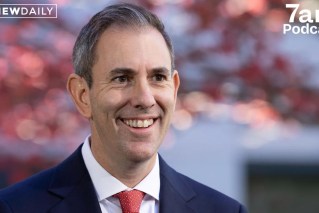
The widening conflict in the Middle East and burgeoning private demand have added pressure to inflation, Treasurer Jim Chalmers says.
On Tuesday, the Reserve Bank hiked rates for the second consecutive time this year, its monetary policy board voting five-four in favour of a 25-basis point rate hike that takes the official cash rate to 4.1 per cent.
It was the narrowest decision since the RBA began publishing the votes.
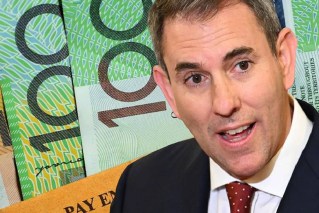
On Wednesday, Chalmers said the private economy and the US-led conflict had contributed to inflationary pressures as opposed to his government’s expenditure.
“There’ll be more savings in this budget … we’re working very hard to work out where those savings can come from and so that will be a focus and a feature of the budget in May,” Chalmers told ABC News Breakfast.
“We know we’ve got a role to play, making the budget as responsible as it can be.”
RBA Governor Michele Bullock said Tuesday’s split vote was down to timing, rather than any disagreement over whether a rate rise was needed.
The board agreed demand was too high for supply in Australia, even before the Middle East conflict closed a key oil artery and added another supply shock to the system.
But Bullock said, given the uncertainty around the geopolitical situation and the speed at which events were liable to change, the four dissenters wanted more time to assess the situation.
Westpac chief economist Luci Ellis said the split decision made a third successive hike look less certain, but retained her call for a May rate rise as the question was one of timing.
“Whether the conflict in the Middle East is still ongoing and how it evolves from here will be crucial,” she said.
Source: AAP
Only US President Donald Trump can know whether the war will still be raging by May. In a protracted conflict, commodity analysts have warned benchmark oil prices could rise above $US150 a barrel.
That would add more than 80 cents a litre to pre-war petrol prices and cause inflation to ripple over all aspects of the economy.
On the other hand, the longer the war drags on, the higher the risk of an economic downturn.
“Another possibility is that developments in the Middle East, particularly the sharp rise in oil and gas prices, deliver more of a global downturn that flows through to Australia too,” HSBC chief economist Paul Bloxham said.
Australia’s labour market still looks strong but Bullock said the central bank wanted to avoid both a recession and a large rise in unemployment.
“If it does look like the world economy is in big trouble, and Australia, then that will have different implications for inflation, and we will be looking very hard at what we need to do in the circumstances,” she said.
-AAP
Want to see more stories from The New Daily in your Google search results?
- Click here to set The New Daily as a preferred source.
- Tick the box next to "The New Daily". That's it.

Epic, landmark finale for Aussie star at Games

Housing reform is cooling demand. That's the point
Reform is hard. Labor needs to hold course
This budget will make most people better off