I went on a cruise to Antarctica. This is what I learnt
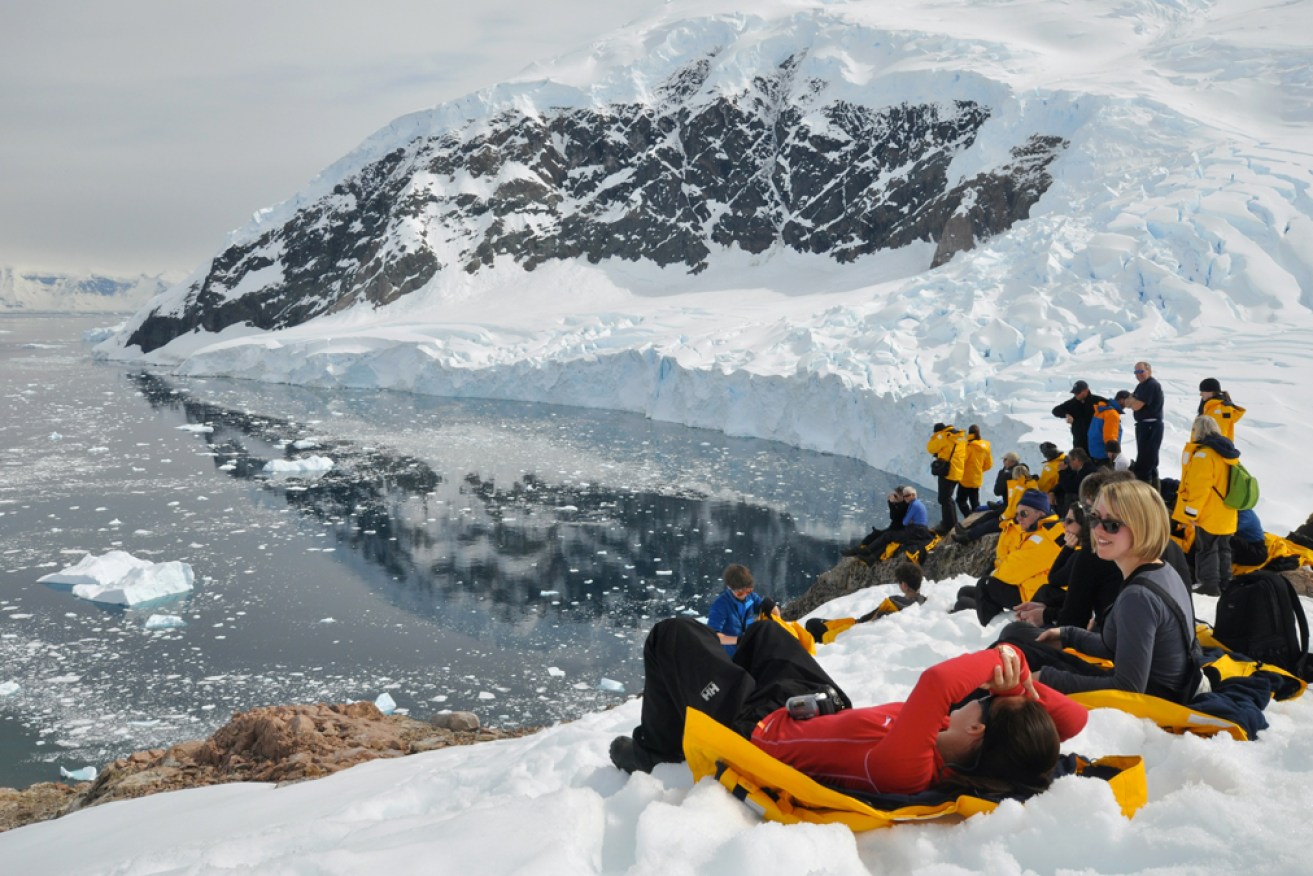
A visit to Antarctica may be a bucket-list item for many – and preparation is key. Photo: Unsplash
A trip to the frozen continent had been on my travel list for years. I finally achieved my dream and it was – without question – the best trip of my life.
For those thinking of making the journey I would say do it without delay, but read these tips first.
1. Which cruise to choose?
This will depend on your budget (largely), fitness and mobility, and how much time you have available.
I chose the longest cruise I could find, 23 days, for a simple reason – I am never going to do this trip again (unless I win a lottery!) so I decided to do everything possible in Antarctica.
I also chose an expedition cruise, where you are able to land at different points using inflatable boats and really get among the wildlife. These landings and walks can be quite tough if you are elderly or not very mobile and, of course, time and money can also be a factor on a longer cruise. In that case, pick a company that can offer other excursions to get you near wildlife, even if landing is not a possibility.
And if you have to do a shorter cruise, make sure, if you are into wildlife, that it visits South Georgia – a treasure trove of animals.
Lastly, the season runs from November to March and you see different aspects depending on when you go. I chose January because it was the best month weather-wise so there was less chance we could miss out on excursions. And it was baby animal season.

Juvenile king penguins hit the beach in the British colony of South Georgia. Photo: AAP
2. This is one boat you don’t want to miss
One couple on our boat arrived at the hotel in Ushuaia, at the bottom of Argentina, on the first official day of our tour. Their luggage did not.
The tour company staff were excellent and took them shopping to get what they needed, but they faced an insurance claim when they returned home.
The motto of this story? Arrive at least three days before your boat leaves to ensure you have time to deal with any mishaps.
It might seem daunting to fork out money for accommodation, but it would be worse to miss the trip of a lifetime. And Ushuaia has plenty of interesting activities, both cultural and natural, including a history museum or a cruise on the Beagle Channel.
3. Speaking of insurance …
Read the fine print. Our trip required cover in case you got Covid-19 on the boat. I assumed my insurance through my credit card would be enough. It wasn’t. The credit card insurance covered us if we got Covid on land, not at sea, so we had to get extra insurance with another company.
We also discovered that if we cancelled less than 95 days out from departure, we would lose all the money we paid, not just the deposit. The credit card covered us for only $5000 – small change when factoring in the total cost of the journey.
My advice? Check what cover the cruise operator requires, then shop around for the right insurance.

Among the highlights are trips in inflatable boats. Photo: Unsplash
4. Clothing
Think layers. Lots and lots of layers. I am a Melburnian so am used to layering up – four seasons in one day and all that – but this was next level.
The general advice for one’s top half is a thermal first layer, then a fleecy, then a puffer jacket or vest (our cruise gave us a puffer jacket to keep). The final item is a waterproof jacket. These are generally provided by the cruise organisers.
The bottom half is not much different – I invested in Heattech leggings from Uniqlo as my first layer (it also does a line of Heattech tops). They come in different degrees of warmth and are reasonably priced compared to other thermal gear.
On top of that were hiking pants, then waterproof pants. The last item is a must, especially on expedition trips when you are getting out of an inflatable boat into icy water. The cruise organisers provided mud boots, so waterproof socks are not necessary – just warm ones!
Beanies and good gloves are also necessary, and I bought a tight headband to keep my ears warm from the wind whipping about when on the boats.
5. Really good seasickness medication
I did not get seasick, but many people on the boat did and had a miserable time of it. Tablets may not stop all the symptoms, but they do help mitigate them.
I was also lucky to avoid outbreaks of gastro and respiratory illness (not Covid, thankfully).
There were two doctors on board, but it was handy to have our own medication such as antibiotics or painkillers to deal with mild issues.

Two Norwegian cruise ships a long way from home in Paradise Bay, Antarctica. Photo: AAP
6. Expect the unexpected
The first change on our trip was at the beginning. Our first stop was meant to be the Falkland Islands, but horrific weather forced a rethink by the ship’s captain and the expedition leader.
We changed course to sail in the opposite direction through the notorious Drake Passage first (this is where most people get seasick).
This is not unusual in a place like Antarctica, where the weather can turn nasty in an instant and the ship crew and cruise operators are having to constantly assess their next moves.
Sometimes landings were postponed if the seas were too rough and the ship doubled back to the area when conditions improved. The crew’s nimble response meant we missed out on only two scheduled landings.
This advice also applies to landings, particularly among wildlife. Seals can be quite aggressive and penguins are curious, so make sure you follow the instructions of the expedition crew.
If a seal bites you and draws blood, the trip will be over for everyone. The saliva of these animals carry bacteria that can make you very ill, so getting to the nearest hospital is imperative.
The trip would be cut short in any case of serious illness or even death – despite the requirements to have insurance cover for evacuation. The advice about adequate insurance cover applies here, too, so you get some money back for an incomplete trip.
7. Photos
Most smart phones have excellent cameras, but it’s worth doing a short course to get the best results, particularly for wildlife photography.
Our cruise ran courses on making the best use of your smart phone.
If you are a keen wildlife photographer, then you probably already have a good camera. If you don’t, then it’s worth investing in one with a decent zoom on the lens.
I would urge any keen photographer, however, to put down their camera occasionally and just take in the majestic scenery and abundance of animals that are like nothing else on Earth.
I would also recommend buying a clear plastic waterproof smartphone holder with a strap to wear around your neck. You can take photos through the plastic, which will protect against sea spray and snow, and the necklace reduces the risk your phone will slip out of your hands into the sea. They can be found online and are inexpensive.

Antarctic visitors at Deception Island about 1000 kilometres south of Ushuaia. Photo: Pexels
8. Tipping
This was a tricky one for the Australians, New Zealanders and British on board. Tipping is not part of our culture, but gratuities are expected on trips like this.
We were left a card with the expected percentage per day for cleaning and hospitality staff, and a bit less for expedition crew. It added more than $1600 to our final bill.
Of course, you can choose not to tip, but given how hard everyone worked to make our experience the best it could be, it seemed churlish to deny them a little bit extra as a thank you.
9. Don’t wait
Antarctica is not for everyone, but if you have a hankering to go and you can afford it then do not hesitate, especially if you want to do an expedition cruise.
Any pictures or documentaries you have seen do not convey the sheer grandeur of this place. It really is like no other place on our planet.
Bon voyage!
The author travelled to Antarctica at her own expense
Want to see more stories from The New Daily in your Google search results?
- Click here to set The New Daily as a preferred source.
- Tick the box next to "The New Daily". That's it.
Seven ways to make budget flights work in Europe
Compared to driving, flying is extraordinarily safe
Revealed: Australians' No.1 hate about air travel
Flying to Europe? Long-haul travel tips you need
App can predict flight delays up to 25 hours ahead
Naked hiking and other travel etiquette offences
Revealed: Cheapest days to book and fly in 2026