‘Instagram fantasy meets real-world travel’: Why we’re losing trust in influencers

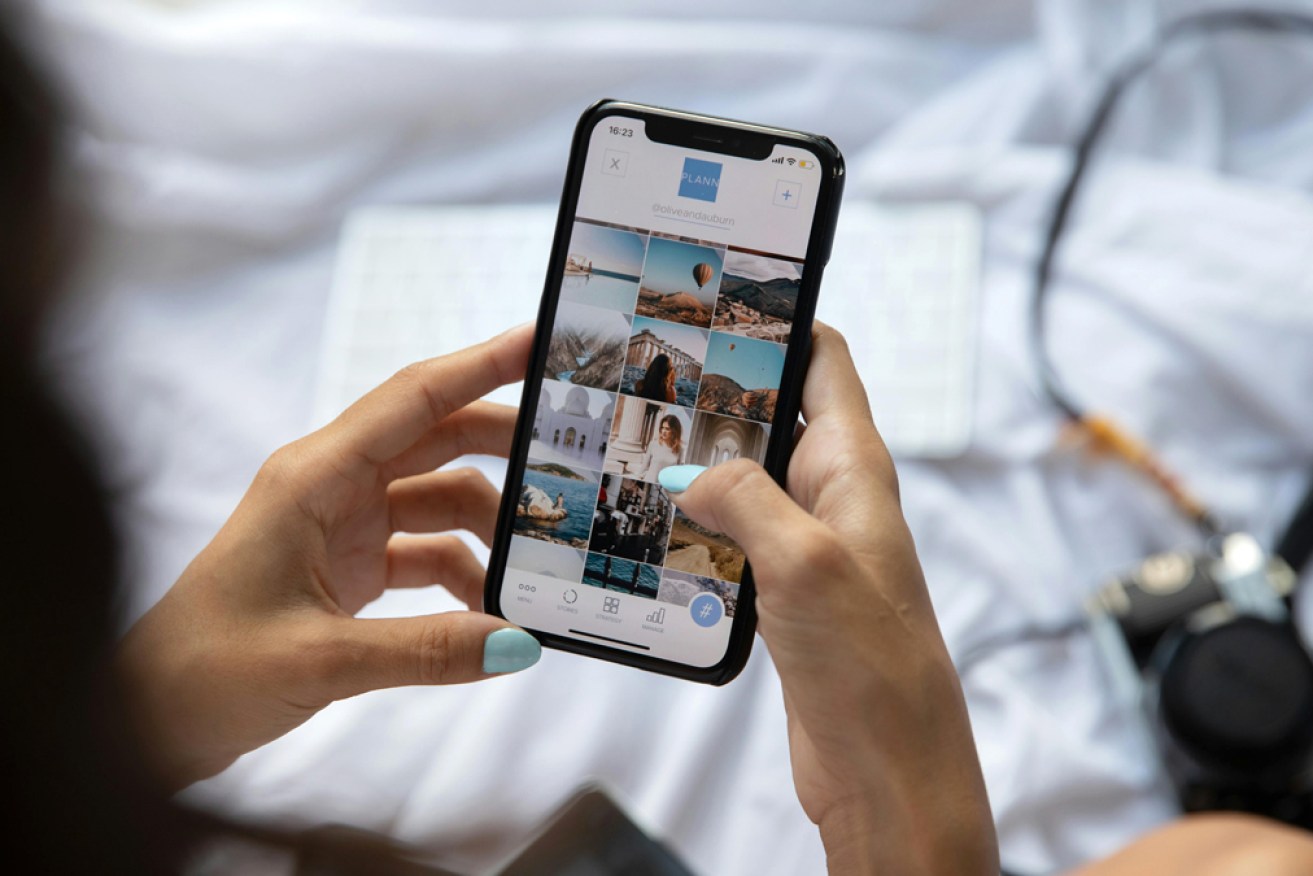
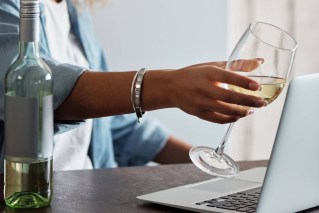
Australian travellers are increasingly disappointed in recommendations from influencers. Photo: Pexels
Australians are showing signs of falling out of love with social media influencers, particularly when it comes to booking holidays.
Influencers have been an increasing source of holiday inspiration for some time, with research for travel company Insure&Go finding one in three of us will make bookings off the back of content seen on a favourite account.
But Insure&Go’s survey of 1000 Australians found 57 per cent of respondents said the reality didn’t live up to the hype, “as ‘Instagram fantasy’ meets real-world travel”.
“Even more concerning: 37 per cent of under-30s admit they’ve risked their safety for the perfect shot, as trust in travel creators starts to crack,” the company said.
The results gelled with research by UNSW Sydney PhD candidate Samuel Cornell.
“In my work with the Queensland National Parks and Wildlife Service, I saw first-hand how social media funnels huge numbers of people into the same photogenic spots,” he wrote in The New Daily earlier this year.
“About a third of visitors said Instagram had influenced their decision to visit, and many described going ‘for the photo’ rather than for the walk or the landscape itself. That behaviour often puts pressure on rangers and increases the likelihood of slips, falls and rescues.”

One in five of us has willingly put ourselves in danger for the perfect pic.
Insure&Go found that nearly one in five (19 per cent) of respondents admitted to knowingly risking their safety for the perfect shot. Alarmingly, that figure jumped to more than one in three (37 per cent) for under-30s. More men than women (24 per cent/14 per cent) admitted to doing so.
“Travel insurance exists for when things go wrong – but ideally, we want Aussies to avoid preventable risks altogether,” Insure&Go commercial and marketing director David Mayo said.
Cornell said most influencers in his study saw themselves as entertainers, not educators.
“And that distinction can have consequences, such as falls and drownings. People are risking their lives at cliff edges, mountain overhangs and around water. In fact, 379 people died taking selfies between 2008 and 2021,” he wrote.
Despite having tens of thousands of followers, many rejected the idea they have a responsibility to overtly warn people about hazards.
“As one put it: ‘We’re not an education page. If you want what you should and shouldn’t be doing, follow a national parks page’,” Cornell said.
Another told him: “If it’s culturally sensitive or damaging to the environment, that’s where I draw the line. But safety – I’m happy to push the boundaries.”
Insure&Go said there were 20.9 million social media user identities in Australia, with 78 per cent of the population logging into platforms and spending almost two hours a day browsing. TikTok was the No.1 platform for time spent.
“More than half (58 per cent) of Aussies now admit their travel and purchase decisions are being shaped by what they see online,” it said.
“One-third (35 per cent) of survey respondents have booked a holiday in the past year based on inspiration from social media influencers — via platforms like YouTube, TikTok and Instagram.”
But it also found that influencer-inspired trips were often disappointing – only 43 per cent lived up to the hype.
“That’s nearly six in 10 Aussies who followed influencer advice ending in disappointment,” Insure&Go said.

Some influencers say they’re there to entertain, not educate. Photo: Pixabay
The disillusionment spans all generations. Almost two-thirds (61 per cent) of over-50s said their holiday didn’t match the reality, while more than half (52 per cent) of under-30s reported the same.
The company said Australian men were more likely to swayed by an influencer, with 40 per cent admitting to following social media recommendations compared to 30 per cent of women.
“Yet two-thirds (65 per cent) of men versus 43 per cent of women later admitted the destination didn’t live up to the glossy portrayal,” it said.
“Almost half (47 per cent) of all respondents now believe that influencers can’t be trusted and are just ‘selling something’.”
Mayo said a third of Australians were still turning to social media for holiday inspiration.
“But many are learning that travel decision-making requires much more than feeling inspired by some stunning shots online,” he said.
“With nearly half of all respondents saying they don’t fully trust influencer content, it’s a sign that many may begin to tune out the filters and prioritise more thorough research, seeking substance over selfies, for their next holiday.”
Want to see more stories from The New Daily in your Google search results?
- Click here to set The New Daily as a preferred source.
- Tick the box next to "The New Daily". That's it.
Albanese to take digital safety push to UN

Minister rejects censorship in algorithm opt-out


Social media site bans SA One Nation leader