The Japan passport law all Australians need to know


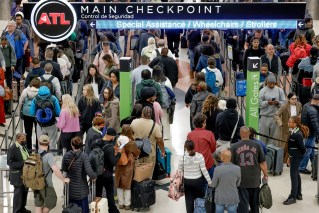
You need to know this Japan passport law before you book your next trip. Photo: Getty
I don’t need to tell you that Australians love Japan. We love the food, we love the cherry blossoms, we love the history, we love the culture.
Chances are you’ve been there yourself, probably more than once.
Yet, of all the people I know who have visited and fallen in love with Japan, I’m confident that none was aware of an important passport law.
It’s a legal requirement for all foreign nationals in Japan to carry either their passport (or a Japanese residence card if you’re a resident) at all times, and be ready to present it to the police if they should ever request it of you.
What happens if you don’t? You could be given a fine or even face time in jail.
In a nutshell, Japanese police officers have the authority to request identification from anyone they please at any time they please. Therefore, you must have a legally recognised form of identification to present to them if you’re asked, as well as proof of your immigration status. And no, photocopies are not considered acceptable substitutes.
While most travellers will probably get through their Japan holiday without ever being asked for their identity (which is probably why this law has gone under the radar for so long), if you are caught out, there are legal consequences. Like finding yourself on the wrong end of fines that could be as large as ¥100,000 ($A1040), the lock-up or other punishments.
Of course, this is the opposite of what most travellers try to do on their overseas jaunts. I, for one, am a “take a photo then lock your passport away in the hotel safe” kind of traveller. As far as pickpockets and muggings go, Japan is a fairly safe country, so passports should be fine while you’re walking around.
Other countries with the same passport law
It turns out that Japan isn’t the only country with this law (or strong suggestion, if not a legal requirement).
For example, Croatia requires travellers to carry some form of ID. While that doesn’t specifically mean passports, not having one on you could cause issues.
Local police can issue on-the-spot fines and may hold your passport if you can’t pay, so not having it can mean getting a bit stuck. Especially if you’re not registered with them (all travellers from Australia must register their stay in Croatia with the local police within 48 hours of arrival).
Türkiye also requires both citizens and foreigners to carry valid photo identification at all times, like a passport or residence permit. Here, you’re more likely to get caught without it, too, as Turkish authorities are allowed to conduct random ID checks and tend to use these powers especially in busy areas or at checkpoints. If you can’t produce ID, it can result in fines or other penalties.
The bottom line? Always check Smart Traveller and acquaint yourself with common local laws to avoid any hiccups. After all, who wants to spend $1000 on fines when it could be going towards a week’s worth of delicious ramen or luxe hotel room?
This story first appeared in International Traveller. Read the original here
Want to see more stories from The New Daily in your Google search results?
- Click here to set The New Daily as a preferred source.
- Tick the box next to "The New Daily". That's it.
Seven ways to make budget flights work in Europe


Compared to driving, flying is extraordinarily safe

Revealed: Australians' No.1 hate about air travel

Flying to Europe? Long-haul travel tips you need

App can predict flight delays up to 25 hours ahead

Naked hiking and other travel etiquette offences

Revealed: Cheapest days to book and fly in 2026