Five incredible Australian beaches you may never have heard of

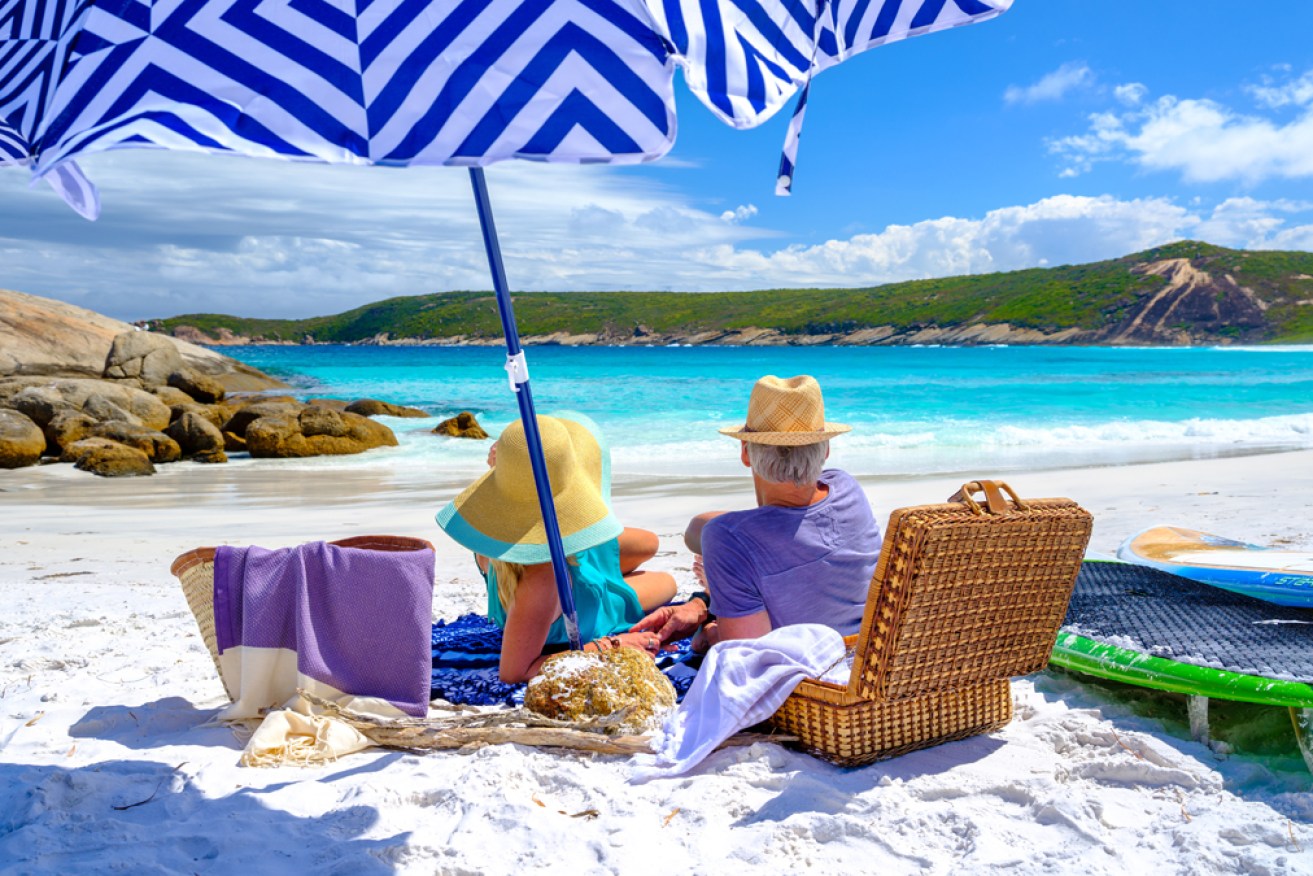
Hellfire Bay, near Esperance – Hellfire by name, paradise by nature. Photo: Tourism Western Australia
Heading off the beaten track this summer? Here are five of Australia’s best remote beaches to help give you something to put into the sat-nav.
1. Greenly Beach, Coulta, South Australia
Lashed by the Southern Ocean’s squall, Greenly Beach is a wilder kind of paradise tucked along the Eyre Peninsula’s west coast beach crawl. A refuge for solitude‐starved surfers, its waves peel off a central reef, offering the first consistent swell north of Coffin Bay.
Back on shore, soft sand and salt‐washed pools make for cool plunges and envy‐inducing photos. Flanking the dunes, sandstone bluffs crumble to the sea, carving calm recesses for patient anglers to await nibbles from Australian salmon, trout, mullet and the odd Tommy Ruff (Australian herring).
Greenly Rock Pool, at the beach’s northern edge, is a natural saltwater spa, refreshed twice daily by the turquoise tide. Just south, no‐frills campsites overlook the beach, delivering front‐row seats to raw coastal sunrises.
For a panoramic perspective, Mount Greenly/Millapa looms 250 metres above the heathland. A steep but rewarding two‐hour return hike delivers a god’s‐eye view over Nauo Country, sweeping across the Great Australian Bight and inland toward the vast Lake Greenly/Puwanna.

Greenly Beach offers its own kind of wild paradise. Photo: Ben Goode
2. Turquoise Bay, Ningaloo/Nyinggulu Coast, Western Australia
This arid stretch of coastline in Cape Range National Park on Western Australia’s Coral Coast is among the most ecologically rich in the country.
Just metres from shore, the World Heritage‐listed Ningaloo Reef – one of the world’s longest fringing reefs – unfolds beneath the surface.
Slip into the shallows, and the famous drift snorkel at Turquoise
Bay carries you effortlessly above a kaleidoscope of marine life. Parrotfish nibble coral, blue‐spotted stingrays skim the sandy floor, and if you’re lucky, you might spot a reef shark on patrol.
From March to August, Ningaloo welcomes awe‐inspiring whale sharks, while humpback whales migrate along the coast later in the year.
Ningaloo Reef supports over 500 species of fish, 300 coral species, and marine megafauna, including dugongs and manta rays. The accessible reef allows snorkellers to experience an underwater world usually found in the open ocean. However, it is under threat from coral bleaching, pollution and human activity. Conservation efforts and sustainable tourism play a crucial role in protecting its future.
For thousands of years, the Baiyungu, Thalanyji and Yinigurdira peoples have maintained a deep connection with the Ningaloo area – evidenced in the ancient fish traps, middens and ceremonial sites found along the coast. Following the 2023 signing of an historic Indigenous Land Use Agreement, traditional custodians now jointly manage this special place with the WA government, with Indigenous‐led tours offering deeper insights into Ningaloo’s heritage.
There are no lifeguards or facilities (beyond an accessible toilet), and the occasional strong currents require caution.
May to November is the best time to visit, with the chance to see whale sharks. Stay in nearby Exmouth or camp by the beach in national park campgrounds.

Turquoise Bay at Ningaloo is a wildlife watcher and snorkeller’s paradise. Photo: Tourism Western Australia
3. Hellfire Bay, Cape Le Grand National Park, Western Australia
Its name may suggest something hellish, but this stretch of the WA south coast is pure serenity – a crescent of impossibly soft, white sand meeting the electric blue of the Southern Ocean.
Situated in the Cape Le Grand National Park, Hellfire Bay is cradled by granite headlands and sculpted dunes, making it one of the more protected bays along this sun‐drenched coastline on the traditional lands of the Wudjari people of the Noongar Nation.
Though not patrolled by lifeguards, the calm, translucent waters of Hellfire Bay make it a family favourite, with shady patches of sand found beneath its granite boulders.
There are barbecue facilities and picnic tables for seaside feasting and, if you can drag yourself away from the sand, the 800-metre trail at the eastern end of the beach leads to the more secluded but similarly sublime Little Hellfire Bay. The more challenging Coastal Trail weaves past both beaches on its 20-kilometre route.

Four-wheel drives only, but K’gari’s 75-Mile Beach is a spectacular strip of sand. Photo: Tourism and Events Queensland/Krista Eppelstun
4. 75 Mile Beach, K’gari, Queensland
Spanning the entire east coast of the island national park of K’gari (formerly Fraser Island), 75 Mile Beach is one of Queensland’s wildest coastal frontiers.
Stretching over 120 kilometres, it’s a sand highway, a living museum, a free‐range zoo and a beach‐fisher and camper’s nirvana rolled into one.
Most visitors begin their K’gari adventure at its southern tip. Look out for wild dingoes as you drive north (4WD essential) along the honeycomb‐hued beach in search of attractions, such as the rusting wreck of the SS Maheno, washed ashore in 1935 near a collection of unusual sand dunes known as the Pinnacles.
Unpredictable ocean currents and marine life make the freshwater Eli Creek and the natural rock pools (the Champagne Pools) the safest spots for a swim, and with nine camping zones, there is no shortage of scenic spots to pitch a tent. Respect the island’s Butchulla traditional custodians – and the next island
visitors – and leave no trace of your adventure.

The wild Dolphin Beach is named for the dolphins that often surf its waves. Photo: South Australian Tourism Commission/Elise Cook
5. Dolphin Beach, Dhilba Guuranda-Innes National Park, Yorke Peninsula, South Australia
Hemmed in by wind-scoured cliffs and rolling dunes, Dolphin Beach is a secluded pocket of wilderness within Dhilba Guuranda‐Innes National Park at the tip of Yorke Peninsula.
Named for the resident bottlenose dolphins that surf its waves, this remote cove is a living postcard of the wild. Ospreys hover on coastal updrafts and tammar wallabies peek from the scrub.
At first light, fresh kangaroo tracks tattoo the sand, while hooded plovers flit along the water’s edge, a tiny yet tenacious reminder of enduring wildlife.
Fringing the beach, hardy coastal heath flourishes, with saltbush and wildflowers igniting the dunes after winter rain. Rock pools shimmer along the headlands, teeming with anemones and crabs, while snorkellers drift through shoals of glistening baitfish.

Overnighting here means camping in the dunes or booking a restored heritage house in the nearby gypsum‐mining ghost town of Inneston. As dusk settles, prepare for one of South Australia’s most theatrical seascapes – crashing waves, salt‐laced air, and an endless sprawl of stars.
Information taken from Lonely Planet’s Best Beaches Australia. shop.lonelyplanet.com. RRP $49.99
Want to see more stories from The New Daily in your Google search results?
- Click here to set The New Daily as a preferred source.
- Tick the box next to "The New Daily". That's it.
Australia’s coolest neighbourhood may surprise



New Aussie bucket-list holiday is a white Xmas