‘Dangerous very quickly’: Flash flood warning amid two-year deluge

Source: Bureau of Meteorology
Severe thunderstorms, heavy rain and damaging winds are forecast for Victoria, prompting warnings of dangerous conditions.
The wild weather is expected to hit across northern and central parts of Victoria, including Melbourne, from Tuesday afternoon.
Heavy downpours that could trigger flash flooding are expected, with six-hour rainfall totals of 40-70 millimetres.
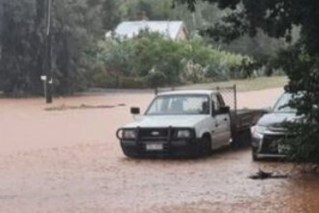
Victoria State Emergency Service spokesperson Josh Gamble said residents should be alert to possible flash flooding.
“Flash flooding happens fast. Roads can become very dangerous very quickly. It’s deeper than it looks,” he said.
“Low-lying and creekside communities [should be] on alert, particularly those that are known in those flash flood areas in and around the Melbourne areas.”
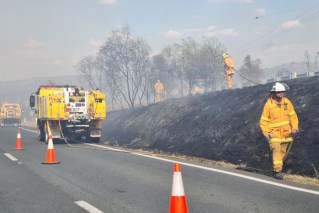
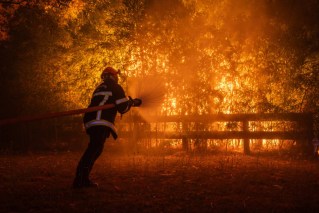
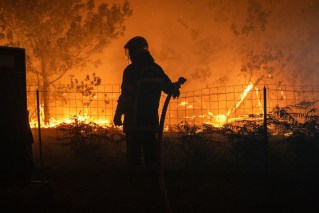
A warning has also been issued for towns in fire-affected areas. Authorities warn that burnt land does not absorb water effectively, meaning runoff can occur quickly and without warning.
“We’ve got some concerns, particularly around the fire grounds with increased fast runoff and flash-flooding risks,” Gamble said.
The storms come just days after heavy rainfall led to localised flash flooding in and around Wodonga at the weekend. Emergency crews had about 250 requests for assistance statewide on Sunday, including more than 130 in the Hume region.
Senior meteorologist Angus Hines said there was a flood watch for central and eastern Victoria, including river catchments in the Melbourne area.
“Rainfall accumulating over the past several days has brought the risk of flash and riverine flooding,” he said.
“Tuesday will be a wet day for Melbourne with a chance of severe thunderstorms, which could lead to flash flooding.”
The frontal system will move through the state on Tuesday, with rain expected to clear on Wednesday morning.
It comes as a slow-moving low pressure system and associated trough is interacting with tropical moisture, bringing up to two years of rain to parts of central Australia this week.
Forecaster Weatherzone said the heaviest rain was expected in the southern Northern Territory, South Australia, south-west Queensland and western NSW.
“These areas could see 100 to 200 millimetres of rain, with isolated falls possibly reaching around 400 millimetres,” it said.
“This includes the Simpson, Strzelecki, Sturt Stony and Tirari deserts, which is a region that typically receives around 100 millimetres of rain in an entire year.”
There have already been downpours in parts of South Australia’s thinly populated north, cutting many roads and the East West rail line that links Adelaide to Perth.
SA’s State Emergency Service said wet weather with significant accumulated rainfall totals was expected to continue across the area for days.
River and creek levels are rising, triggering localised flooding and overland inundation that could continue with additional rainfall.
The Australian Rail Track Corporation said the East West corridor remained closed on Monday, with sections of the track washed away between McLeay and Bookaloo in SA. With further flooding expected, the line could remain cut for more than a week.
Lines between Port Augusta and Whyalla, and Port Augusta and Broken Hill in NSW have reopened.
“I understand that crews are being dispatched to get on top of … how they’re going to go about reopening it up as quickly as possible,” SA Premier Peter Malinauskas said.
“It’s not just a passenger line. It’s also just as critical as a freight route.”
There are severe weather warnings for the NT, outback Queensland and SA. Major rainfalls have cut roads in the NT, with Alice Springs residents again bracing for flash flooding.
A fortnight ago, a downpour inundated the usually dry Todd River, triggering multiple rescues in Alice Springs, including a woman who clung to a tree for 11 hours.
In Queensland’s north-west, floodwaters have cut roads, triggering multiple rescues and panic buying with supermarket shelves in Mount Isa stripped bare.
Mayor Peta MacRae urged locals to be patient amid supply chain issues.
“The highway opened for about 10 hours on Saturday, so my understanding is that shelves were refilled today,” she said.
“The groceries will come through, and there’s contingencies in place if the trucks can’t get through.”
The nearby Gulf Country between Normanton and Julia Creek was devastated by flooding in January, with reported stock losses of more than 100,000.
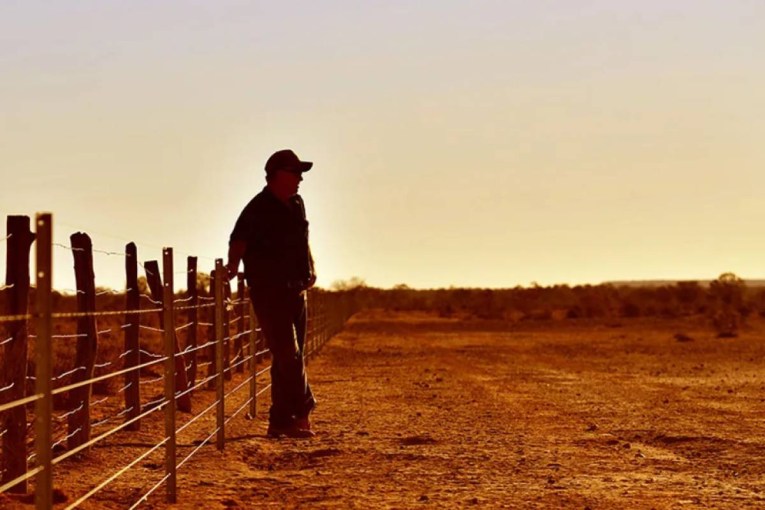
But grazier Peter Ashman, who runs Escombe Downs station near Winton, was upbeat.
“This is a good story for us a bit further west and up near Mount Isa,” he said.
“With this amount of rain and this amount of feed, we’ll go right through April, May, June next year. It’ll see us through.”
-with AAP
Want to see more stories from The New Daily in your Google search results?
- Click here to set The New Daily as a preferred source.
- Tick the box next to "The New Daily". That's it.