PM visits flood zone as Queensland farmers ‘lose everything’
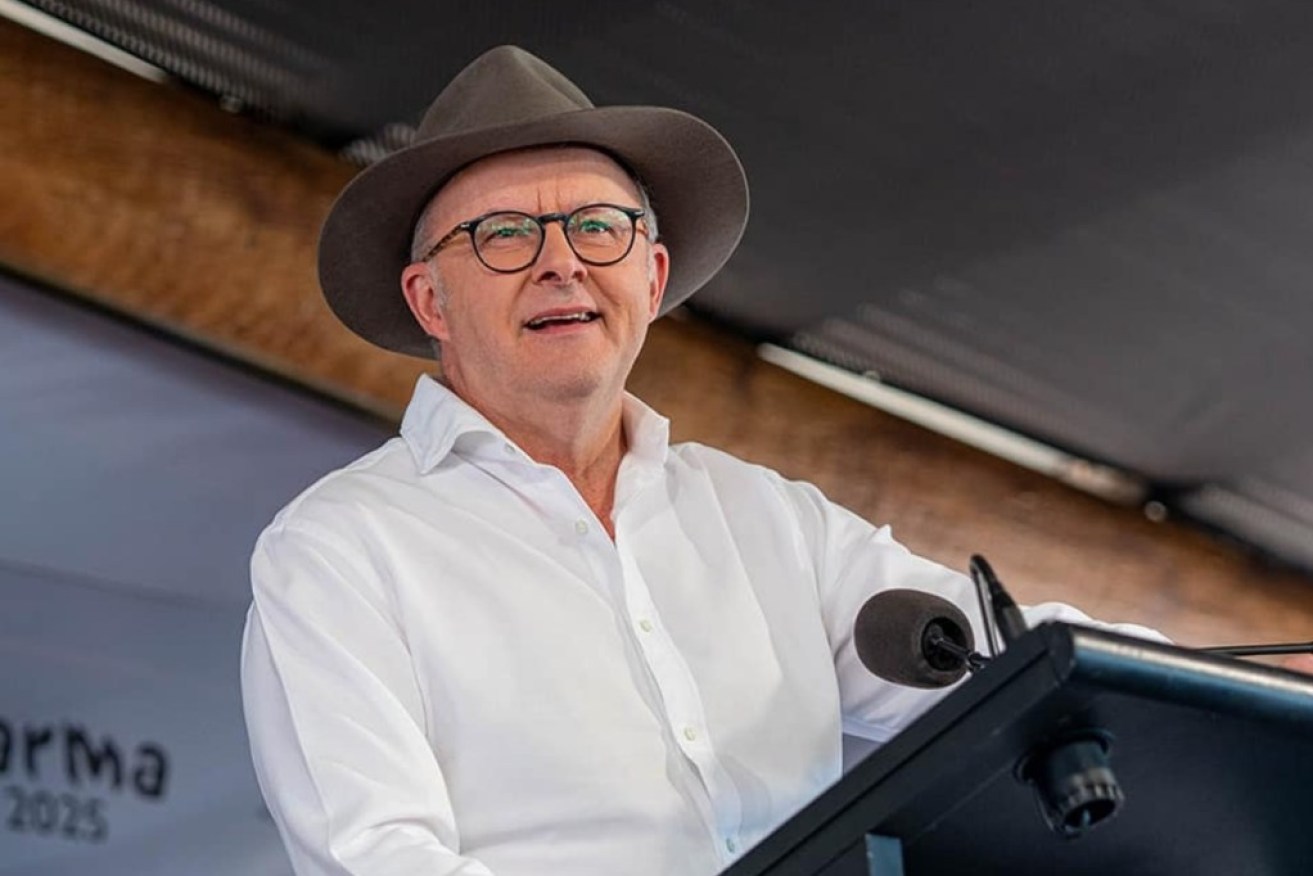
Prime Minister Anthony Albanese is visiting flooded land in Queensland. Photo: Facebook
Queenslanders whose homes have been damaged and livestock washed away will get access to a multimillion-dollar rescue package aimed at helping the state’s north rebuild after devastating floods.
Some farmers say they have lost everything in the inundation, with about 16,500 cattle estimated to be dead or missing.
Prime Minister Anthony Albanese travelled to the outback town of Cloncurry on Wednesday to announce $38 million in financial support for flood-affected communities.
“These disaster packages will make sure flood-affected Queenslanders can recover and importantly build back stronger,” Albanese said in a statement.
The package includes $21.5 million in grants for farmers who have been impacted — up to $75,000 each — and $10,000 of that can be accessed immediately.
It includes $11.5 million for repairs and flood resilience upgrades to Cloncurry Airport, which has been severely damaged, limiting access by air.
State and federal governments have already announced $2 million to help farmers drop feed to livestock which have been isolated by floodwaters — the latest package includes a $5 million boost to that program.
The package is being funded jointly by the federal and Queensland governments.
Treasurer Jim Chalmers, who travelled alongside Albanese, said the flood-hit areas were a critical part of the nation’s economy.
“We know the people, communities and industries of regional Queensland play a crucial role in our country and its economy and we are here for them every step of the way,” he said.
About 16,500 cattle are dead or missing in floodwaters according to farmers, sparking fears of major financial losses in the agriculture-heavy region.
The inundation has also claimed one life — a man in his 70s who was found dead in his car, surrounded by floodwaters.
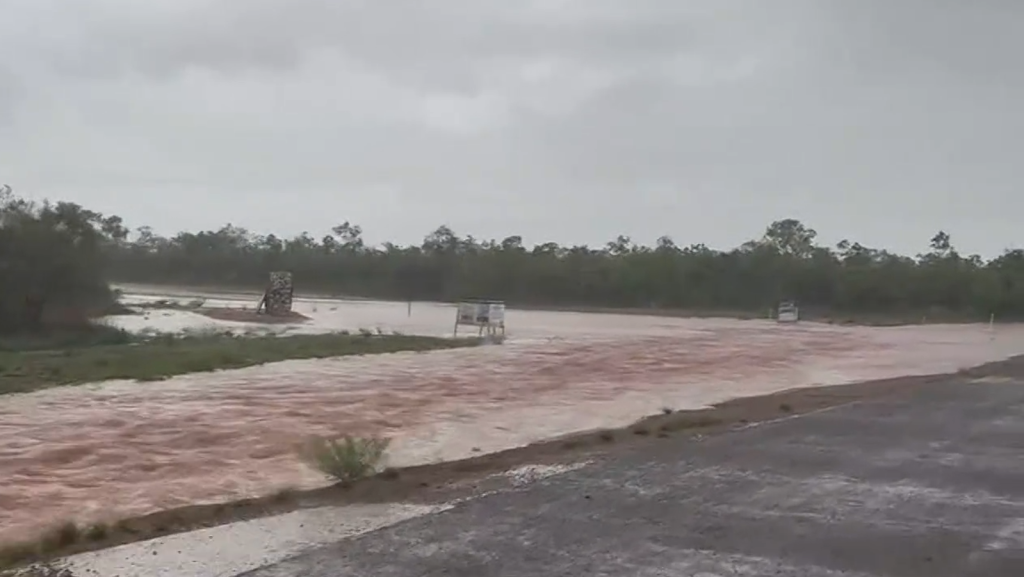
Roads are flooded in outback Queensland.
Parts of McKinlay Shire, east of Mount Isa, had seen worse flooding than in 2019, Mayor Janene Fegan said.
“A lot of locals are comparing it to the 1974 floods because of the length of time it has been going on,” she said.
“There will be significant livestock losses and at the moment all access to roads to get out have been closed.”
Farmers faced a difficult wait to access flooded areas and count their lost cattle, Fegan said.
“It’s a really difficult time mentally as well. It’s not an easy task,” she said.
Food damage to about 800 kilometres of fencing and 1400 kilometres of private roads has also been reported to Queensland’s Department of Primary Industries.
Richmond Shire had not seen as big an impact as the 2019 flood but some farmers had been left with no source of income, Mayor John Wharton said.
“I’ve seen a lot of dead cattle. Some people have lost everything,” he said.
Meat and livestock analyst Simon Quilty said while the floods impacted livestock differently compared to the disaster of seven years ago, concerns remained of further losses.
“It’s very localised (and in) a breeding area … they could die due to hypothermia and could take losses to greater than 50,000,” he said.
Heavy rain has eased across northwest Queensland leaving widespread minor to major flooding across western and northern areas, the Bureau of Meteorology observed.
“However, even in these places where the rain might start to ease off we will continue to see riverine flooding,” senior meteorologist Miriam Bradbury said.
North Queensland faces a potential tropical cyclone, with a tropical low set to form in the northern Coral Sea and is a 35 per cent chance of developing into a cyclone on Saturday, the bureau forecast.
–AAP
Want to see more stories from The New Daily in your Google search results?
- Click here to set The New Daily as a preferred source.
- Tick the box next to "The New Daily". That's it.



One Nation in hot water with Queensland watchdog