America’s oldest dictionary welcomes ‘cuffing season’ by giving itself a ‘glow up’

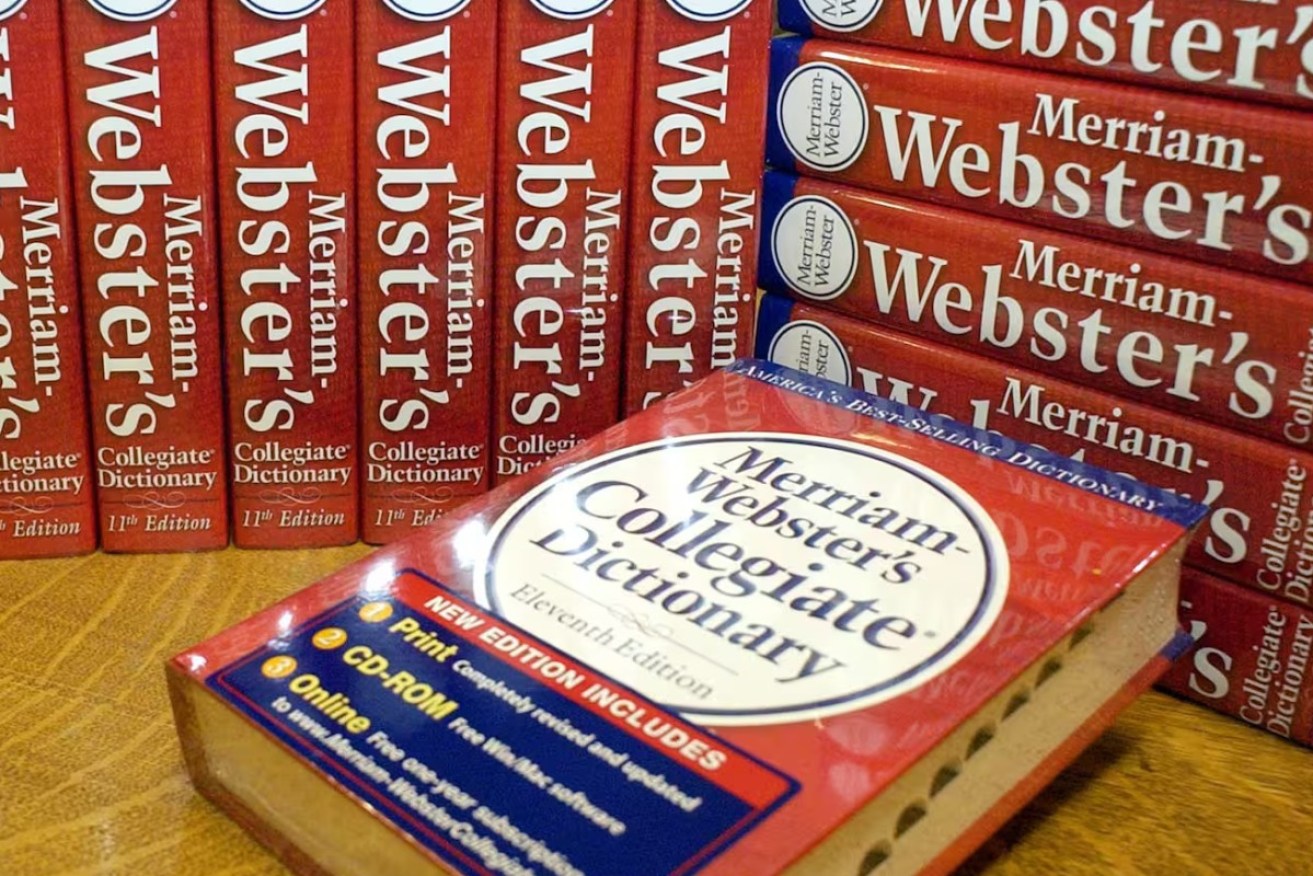
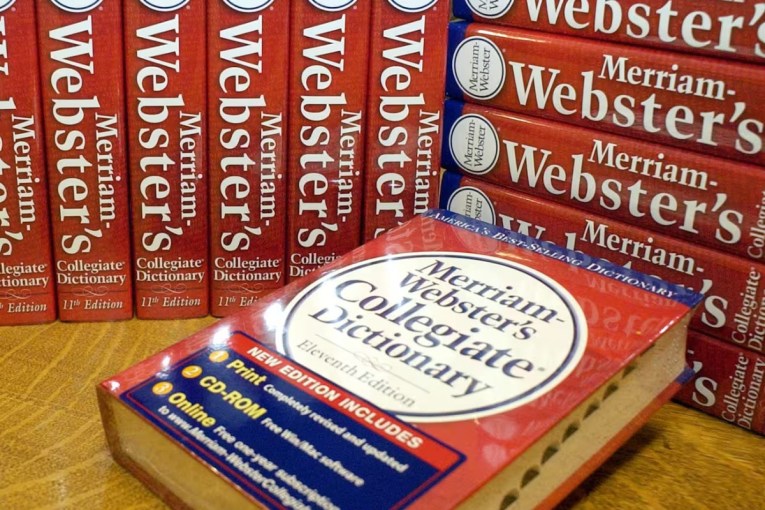
Merriam-Webster is the most respected and oldest dictionary publisher in the United States, dating back to 1831. Photo: Merriam Webster
America’s most widely-used dictionary, Merriam-Webster, has given itself a “glow up” by adding 1400 new words and definitions.
“The new entries reflect words and meanings that have demonstrated widespread use over time, offering a window into the world today,” Merriam-Webster said last week.
Along with “glow-up”, which it defines as “a usually dramatic enhancement”, the dictionary embraced the zeitgeist with words taken from internet slang and dating terminology, artificial intelligence and food making.
Social media was well represented in the latest update, with “looksmaxxing,” “parasocial,” “Rickroll,” “meme coin” and “promposal” all among the additions.
“Cuffing season” has also officially entered the dictionary, defined as “a time of the year when people who are not married or in a relationship begin looking for a short-term romantic partner to spend the colder months of the year with”.
“Uncanny valley”, a term used to describe the unsettling feeling people can experience when something artificial appears almost but not quite human, is also now a dictionary phrase.
While Australia has the “bin chicken” as a term for the ubiquitous urban ibises, “trash panda” is now an official term for a garbage-pillaging racoon,
And for those experiencing the anxiety that can creep in as the weekend comes to an end, look up “Sunday scaries”.
Doobie Brothers fans will welcome the addition of “yacht rock”, while “California sober” and “shapewear” are now worthy of inclusion.
Merriam-Webster maintains it doesn’t add a new term lightly or simply because it’s trending. Rather, entries are selected after editors find evidence that a word or meaning has become widely used over time.
With that in mind, several familiar – and unfamiliar – foods made the cut, including “cake pop”, “shishito”, “bao” and “chilli crisp”. “Superfood” also earned an entry, referring to nutrient-rich foods such as salmon, broccoli or blueberries.
The “Mandela effect”, a phenomenon defined as a group of people who share the same false memory, also made the list.
Technology is also changing the dictionary, with “vibe coding” and “AGI” – short for artificial general intelligence – and “compute” as a noun joining accepted parlance.
Merriam-Webster is the most respected and oldest dictionary publisher in the United States, dating back to 1831.
Want to see more stories from The New Daily in your Google search results?
- Click here to set The New Daily as a preferred source.
- Tick the box next to "The New Daily". That's it.