Extreme heatwave conditions spark bushfire warning
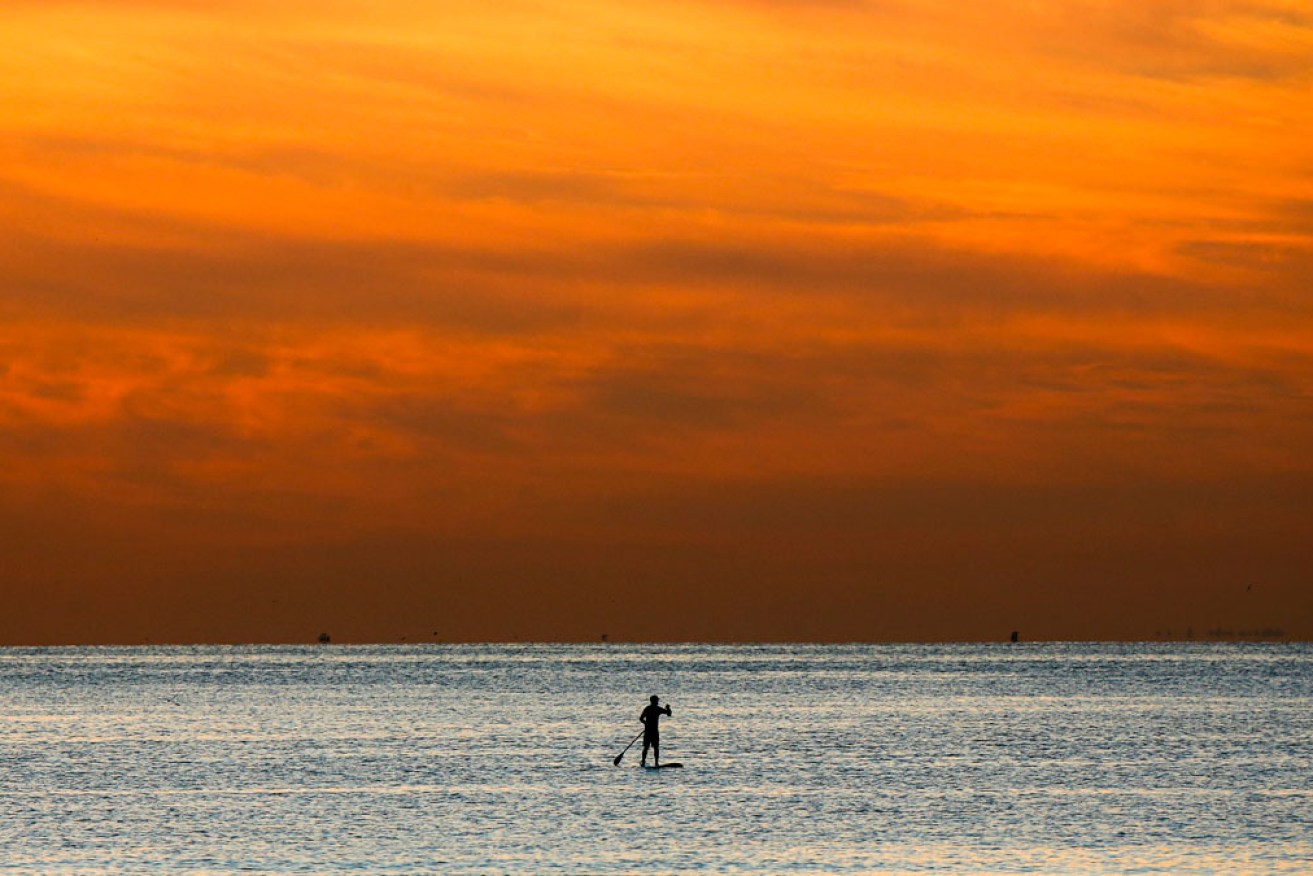
Extreme heat is expected across much of Australia in the coming days. Photo: AAP
More than half of Australia is set to swelter in blistering temperatures in what is expected to be the worst heatwave since the devastating Black Summer bushfires.
The Bureau of Meteorology has warned that dry, hot conditions will create extreme fire conditions across multiple states as temperatures top 45C in parts of the country.
The heat band has been building across Western Australia for days and will extend into South Australia, NSW and Victoria from Tuesday.
As the mercury rises, fire dangers are expected to reach extreme levels in South Australia, Victoria, and inland NSW with total bans expected to be in place across much of the country.
The conditions are set to be worst since the catastrophic 2019-20 summer bushfires that killed more than 30 people directly and burned through millions of hectares.
“Our main concern is the three-day period running Wednesday through Friday,” senior forecaster Dean Narramore said.
“We’re likely to see extreme heatwave conditions over a huge part of NSW and northern Victoria, practically everywhere between Melbourne and Sydney and extending well inland.
“It is looking like … the most significant burst of heat for south-eastern Australia, particularly in terms of multiple days in a row of mid-40 temperatures, since the summer of 2019-2020.”
Millions of residents in NSW and Victoria are bracing for extreme heatwave conditions from Wednesday to Friday.
“We’ll see temperatures really jump up to our populated parts of south-eastern Australia, with even our coastal areas looking at temperatures in the low 40s,” Narramore said.
“That does include Adelaide and Melbourne and everywhere in between.”
Soaring temperatures are expected to ensure record spikes on the electricity grid as Australians crank up the air-conditioning.
“There is an increased risk of unplanned outages during prolonged heatwave conditions, due to an increase in demand on the grid,” said Matthew Sweeting, from energy supplier Ausgrid.
The bureau defines a heatwave as three consecutive days of above-average temperatures.
The heatwave comes after another record year with 2025 Australia’s fourth-warmest on record, with the temperatures 1.3C above the 1961–1990 average.
“This follows Australia’s second-warmest year in 2024,” Climatology Specialist Nadine D’Argent said.
“South Australia and Western Australia both recorded their third-warmest years.
“Between January and March, and between October and December, large parts of Australia experienced heatwave conditions, reaching extreme severity at times.”
Australia’s warmest year was 2019, when the national annual average temperature was 1.51C above average.
New report highlights fire danger
The heatwave warning comes as a comprehensive new report shows Australian city fringes share many of the same vulnerabilities as areas affected by the Los Angeles blazes that claimed 31 lives and razed more than 18,000 buildings in January 2025.
A comprehensive report from the Emergency Leaders for Climate Action and the Climate Council suggests Australia’s southern cities – Sydney, Melbourne, Canberra, Adelaide, Perth and Hobart – all share some of the characteristics behind the LA blaze.
Comparable conditions include steep slopes, bushland proximity and the propensity for extreme dry periods and strong winds.
LA’s winter wildfires owed much of their potency to naturally occurring Santa Ana extreme winds, with human-driven climate change also contributing to the hot, dry conditions that made them so destructive.
Global warming is also intensifying Australia’s bushfire risks, including in Adelaide and Perth, which share LA’s Mediterranean climate.
These cities are experiencing rising temperatures, less winter rainfall, and more “whiplash” between heavy rain and drought, which causes vegetation to grow and dry out.
Climate change is also lengthening fire seasons and leading to tougher conditions for frontline crews.
Also similar to LA, Australia’s city boundaries are creeping further out into bush and grasslands.
As many as 6.9 million Australians are now thought to be living in fire danger zones on urban fringes, according to the report – an increase of more than 65 per cent since 2000.
–AAP
Want to see more stories from The New Daily in your Google search results?
- Click here to set The New Daily as a preferred source.
- Tick the box next to "The New Daily". That's it.
Gagging and blacklisting: What's going on in the NT

How Pauline Hanson might have finally gone too far