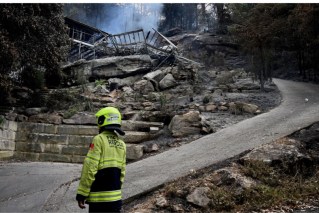
Sea level rise claim contrary to wealth of scientific evidence
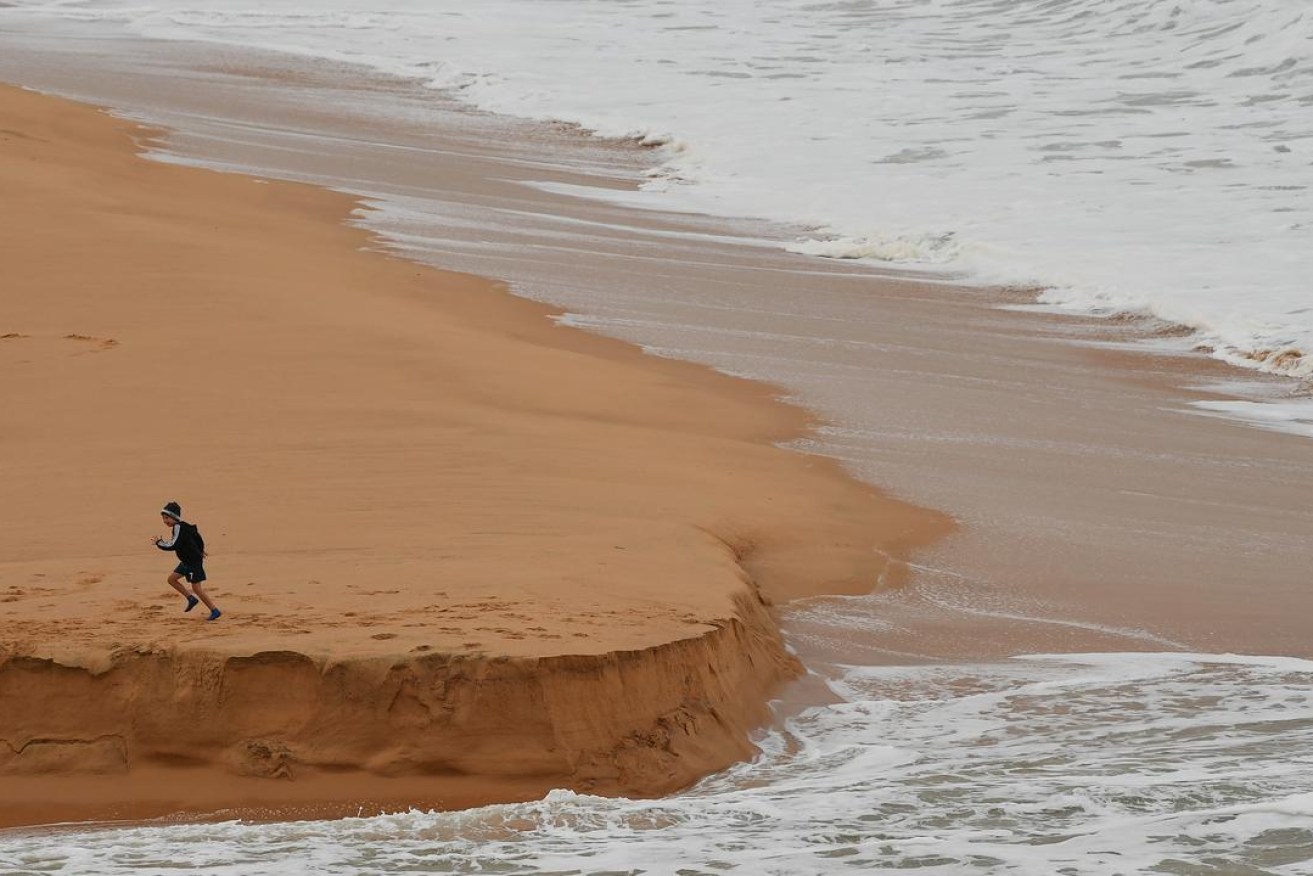
Global sea levels are rising, and at an increasing pace. Photo: AAP
Social media claims that the Australian government’s spending to help low-lying nations cope with sea-level rise is a waste of money have been roundly debunked.
“Ocean levels aren’t rising Mr Albanese, and have not risen since the last ice age, which was six million years ago,” one video popular on Facebook claims.
“You can spend trillions and trillions on that, but it’s not going to make any difference. The climate change has always been a hoax.”
The claim that ocean levels aren’t rising is false.
Global sea levels are rising, and at an increasing pace, despite claims they haven’t changed in thousands of years.
Decades of data and evidence show sea levels are 15-25 centimetres higher than they were in 1901.
That’s the level of change in the global mean sea level (GMSL) since then, and the rate is accelerating, according to the 2021 Intergovernmental Panel on Climate Change report (Section 2.3.3.3).

Rising oceans are displacing low-lying communities around the world. Photo: AAP
“The rate of GMSL rise since the 20th century is faster than over any preceding century in at least the last three millennia (high confidence),” the report states.
By 2050, sea levels are likely to have risen 24-32 centimetres above 2000 levels, the IPCC estimates.
By the end of the century, it predicts, they could be 43 centimetres to 1.1 metres higher.
Jody Webster, a University of Sydney expert on past sea levels, said the evidence showed they were rising at an average of about 3-4 millimetres a year.
“[There is] a wealth of scientifically valid observations (tide gauges, satellite records, etc) that show that on average global sea levels are rising,” she said.
Webster also pointed to NASA satellite data that shows oceans levels have climbed more than 10 centimetres since 1993
The claim that oceans have not risen “since the last ice age” is also incorrect.
While the person in the clip claims the last ice age was six million years ago, the “last glacial period”, which most people think of as the “ice age”, actually ended about 11,000 years ago, according to the National Oceanic and Atmospheric Administration.
During interglacial cycles, driven by changes in solar radiation, sea levels can shift by more than 100 metres, according to the CSIRO.

It’s estimated sea levels could be up to 1.1 metres higher than 2000 by 2100. Photo: AAP
Ocean levels have risen by more than 120 metres since the last glacial period, then stabilised over the past few thousand years, with little change between 1AD and 1800, according to CSIRO.
Sea levels then began climbing again in the 1900s, and have done so at an accelerating rate since the early 2000s, it said.
The CSIRO’s analysis aligns with a table (Section 9.6.2) in the 2021 IPCC report stating that sea levels rose about 125-134 metres between the last glacial period’s peak, 19,000 to 21,000 years ago, and the year 2000.
Want to see more stories from The New Daily in your Google search results?
- Click here to set The New Daily as a preferred source.
- Tick the box next to "The New Daily". That's it.