Australian research unlocks invisible tech to revolutionise wearable devices
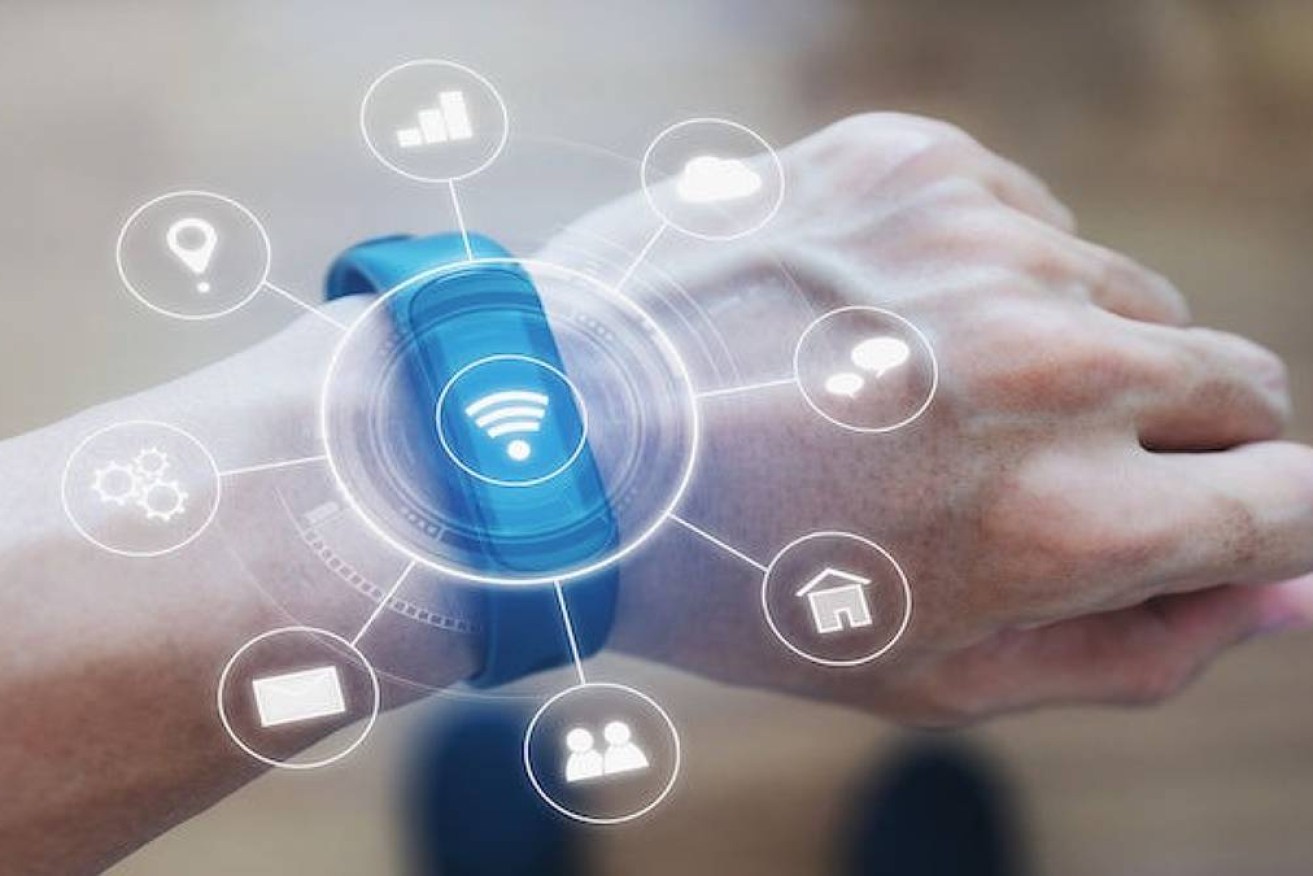
The discovery could lead to major improvements in devices like touch screens and wearable biosensors. Photo: Getty
A powerful electricity-conducting material developed by researchers at La Trobe University could lead to major improvements in devices like touch screens and wearable biosensors.
The material, described in a paper published in the journal ACS Applied Materials and Interfaces, is a type of conductive polymer.
“Conductive polymers as we know them were developed nearly 50 years ago and although they’re exciting, they haven’t lived up to their potential in that time,” lead researcher George “Wren” Greene said.
“Often they are difficult to fabricate, as thin films don’t conduct electricity very well, aren’t transparent and can have highly variable properties.”
The La Trobe study outlines a polymer synthesised from hyaluronic acid – a popular ingredient in skincare – applied to a gold-plated surface to create a thin, durable film of conductive material.
The research challenges the previous belief among materials scientists that conductive polymers could be created only by adding substances like hyaluronic acid to a mixture of water and polymer-forming particles.
“Through our method, called ‘tethered dopant templating’, we’ve created a robust way of making a conductive polymer that is flexible, durable, can conduct electricity as well as metals and is easily reproduced – so it’s scalable,” Greene said.
Dubbed 2D PEDOT, the material is invisible to the naked eye.
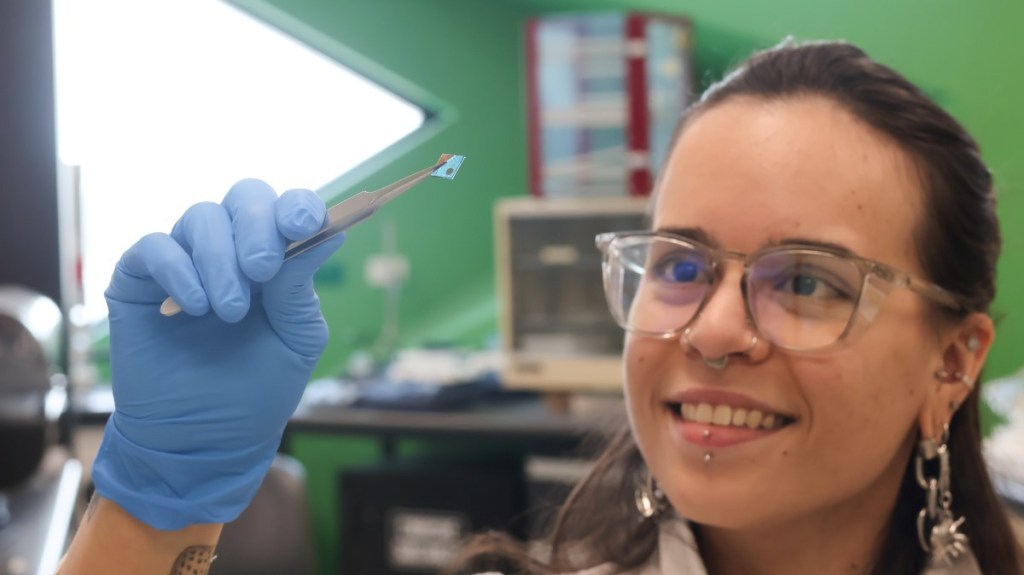
The polymers were more powerfully conductive than expected. Photo: La Trobe University
“We were very excited to find that not only did the polymers form when we tethered directly to the gold, but that these polymers were thinner, more powerfully conductive and almost foolproof to reproduce,” lead researcher and PhD candidate Luiza Aguiar do Nascimento said.
Conductive polymers such as 2D PEDOT have a range of applications from smartphone touch screens to wearable medical devices that can monitor a patient’s biological signs and deliver carefully regulated doses of drugs.
“Currently, it is difficult to consistently reproduce conductive polymers at the high quality needed for health and medical monitoring and drug delivery devices,” said co-author Saimon Moraes Silva, senior researcher and Director of La Trobe’s Biomedical and Environmental Sensor Technology Research Centre.
“I’m excited that we have created new capabilities for these materials which are scalable, affordable and reproducible.”
This article first appeared in Cosmos magazine. Read the original here
Want to see more stories from The New Daily in your Google search results?
- Click here to set The New Daily as a preferred source.
- Tick the box next to "The New Daily". That's it.