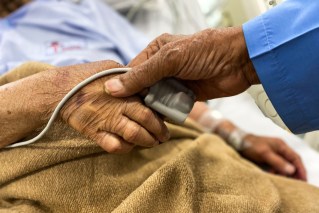
A bout of the flu can mean a lot more than a few days in bed for older Australians

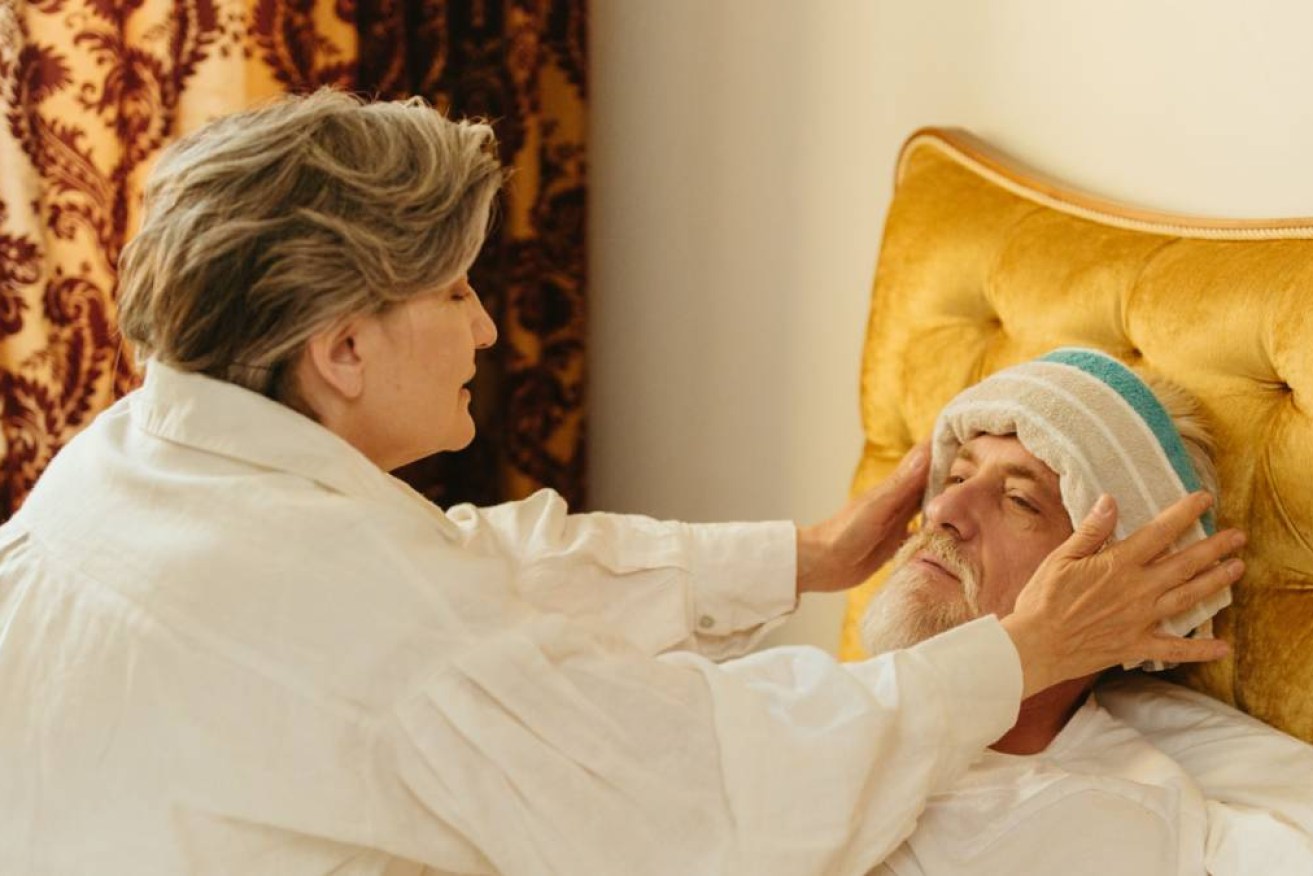
Super K is known to affect older people and over particularly hard. Photo: Pexels
A trend of falling vaccination rates across all demographics could see older Australians in grave danger this flu season.
The latest Australian influenza surveillance data shows almost 75.6 per cent of sequenced flu viruses this season have been H3N2 – the influenza A subtype that includes the emerging Subclade K, or ‘Super K’ strain.
Super K is known to affect older people and over particularly hard and is consistently associated with severe seasonal epidemics, excess hospitalisations and deaths – particularly among adults aged 65 and over.
Australia’s flu season is being driven by a strain known to hit older adults harder, with a leading health expert warning Australians aged 65 and over not to underestimate the risk this winter.
So far this year, more than 6400 laboratory-confirmed flu cases have been recorded in Australians aged 65 and over, accounting for over 20 per cent of all reported cases.
The troubling statistic comes as UNSW Sydney researcher Professor Holly Seale this week warned that vaccination rates are falling across the population – with continued inequities in vaccine coverage for some communities.
Seale said that for older Australians in particular, the risks go beyond a bad bout of illness.
“Flu isn’t just a few days in bed for many older people,” she said.
Associate Professor Michael Woodward, director of dementia research and senior geriatrician at Austin Health in Melbourne, said this week that H3N2 flu seasons could be particularly concerning for older adults because flu was more likely to lead to complications for them.
Woodward said as well as a worsening of existing health conditions, a bout of the flu can lead to loss of independence, hospitalisation and, in severe cases, death.
“Flu is sometimes dismissed as a bad cold, but for older adults it can be much more serious,” he said.
“If H3N2 continues to dominate this season, people aged 65 and over should speak with their GP, pharmacist or healthcare professional about how they can help reduce their risk.”
Seale said her team had seen people go from living independently at home to requiring residential care after a respiratory infection.
“It can be the difference between living independently and needing ongoing care,” she said.
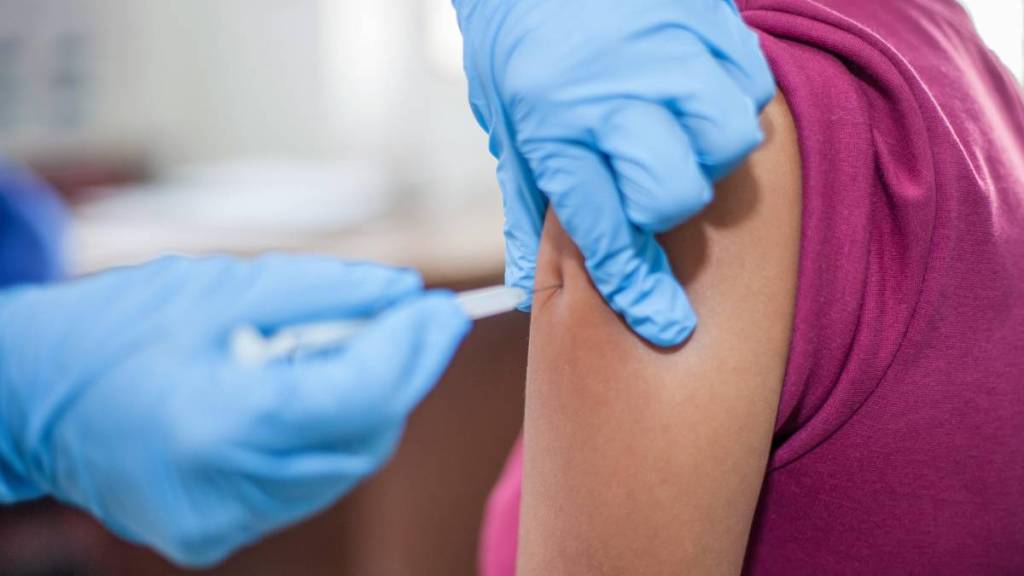
Now’s a good time to protect yourself and others with the flu vaccine. Photo: Pexels
The symptoms of Super K are said to be the same as those associated with other flu strains, including a runny nose, fever, headaches, sore throat, muscle aches, a dry cough, and feeling tired.
However, it is believed to spread more easily. Like other flu strains, it can be passed on by contact with someone who is sick, through coughing and sneezing, and by touching surfaces with flu germs.
When should you get vaccinated?
Although Super K brought a surge in flu cases in January, the “flu season” in Australia typically lasts from May to October and peaks in June to July, according to infectious diseases experts Meru Sheel and Allen Cheng.
“Theoretically, the best time to get the flu vaccine is about two weeks before flu cases start to rise,” the pair wrote in a recent article on The Conversation.
Other experts, like Nic Woods, urge people to book a flu shot as soon as possible.
“Last year, Australia recorded the highest number of influenza deaths since the Spanish flu pandemic more than a century ago,” Woods said.
The traditional flu jab is free for children aged six months to under five, pregnant women, Aboriginal people aged six months and over, anyone over 65 and those with serious health conditions.
Want to see more stories from The New Daily in your Google search results?
- Click here to set The New Daily as a preferred source.
- Tick the box next to "The New Daily". That's it.