Vic hospital to trial ground-breaking cholesterol treatment

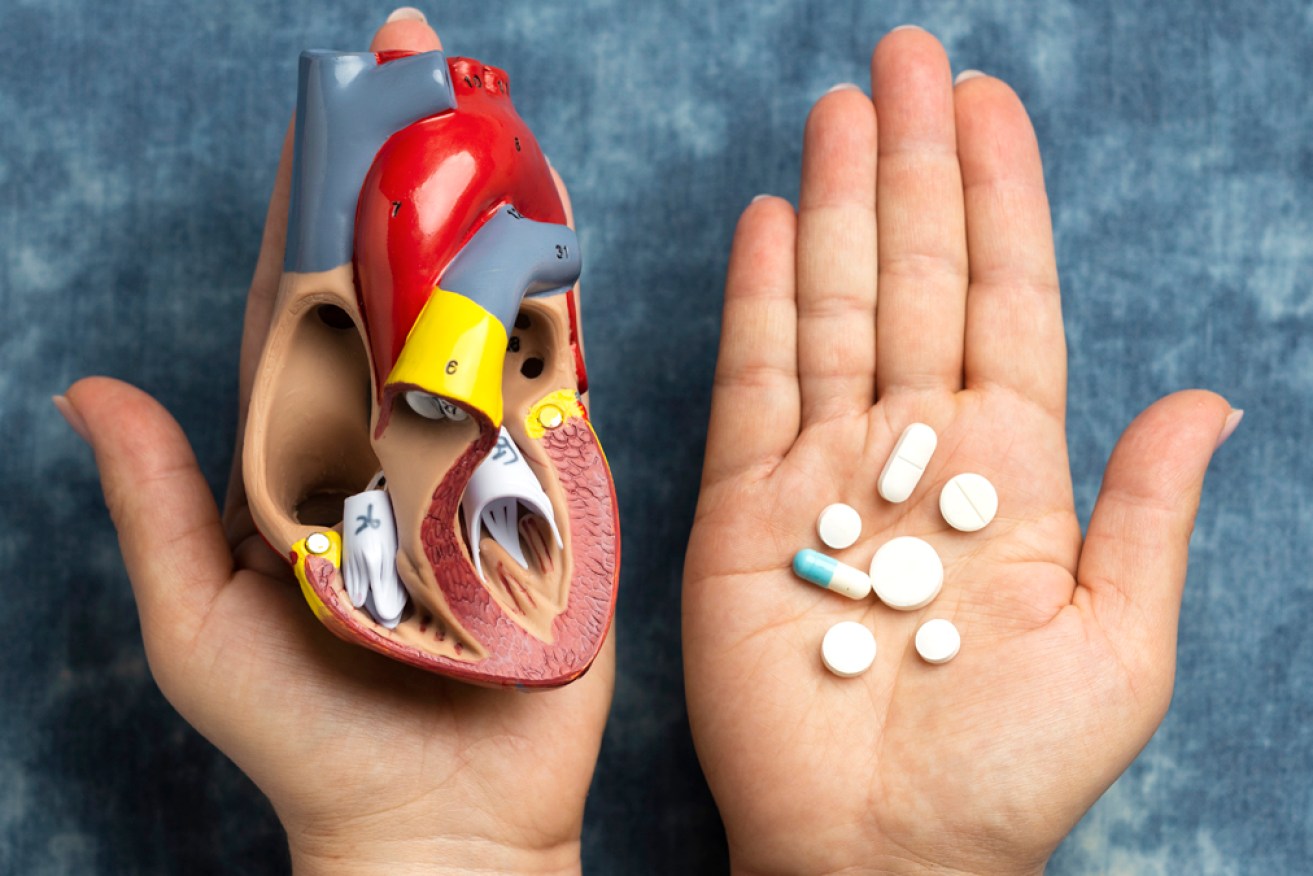
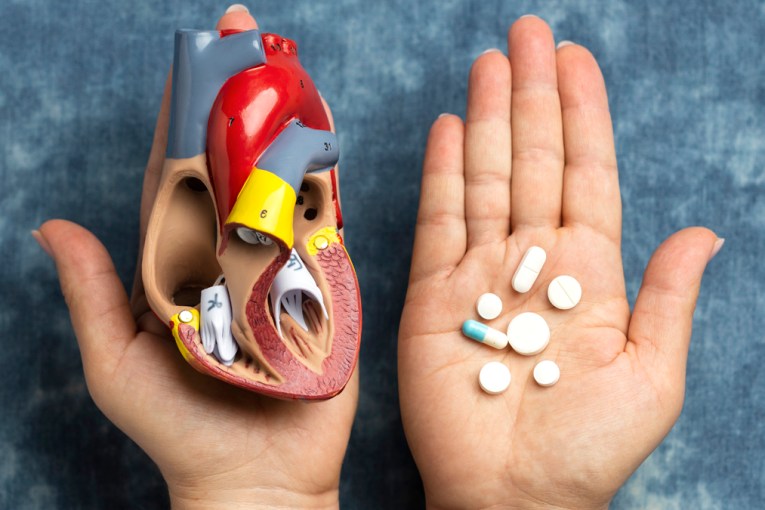
A Victorian hospital will trial a revolutionary treatment for reducing cholesterol. Photo: Freepik
A Victorian hospital is about to begin world-first human trials of a potential breakthrough in treating high cholesterol.
The Victorian Heart Hospital and the Victorian Heart Institute will lead the first-in-human clinical trial of an investigational genetic therapy that aims to lower cholesterol in those at increased risk of cardiovascular disease.
The trial will be led by Professor Stephen Nicholls, who is the director of the Victorian Heart Hospital and Victorian Heart Institute and Professor of Cardiology at Monash University. He said it represented another major step forward in developing more durable approaches to cardiovascular prevention.
‘The best way to treat heart disease, the leading cause of death globally, is to prevent it,” Nicholls said.
“While existing cholesterol-lowering therapies are highly effective, many people still struggle to maintain long-term treatment due to cost, access, side effects or the burden of ongoing medication.”
The first type is low-density lipoprotein or LDL cholesterol. Often referred to as the “bad” cholesterol, it causes fat to collect in the arteries as plaques. This makes it harder for blood to pump throughout the body, increasing the risks of heart attack or stroke.
The second type is high-density lipoprotein (HDL) cholesterol — often considered “good” cholesterol. It removes excess bad cholesterol from tissues and arteries and returns it to the liver so it can be removed from the body. It also protects the artery walls so there’s less risk of a blockage forming.

HDL helps prevent the build-up of bad cholesterol. Photo: Canva
The ratio of LDL to HDL in a person’s body is related to their cardiovascular disease risk.
Those with higher ratios of HDL to LDL have a lower risk of cardiovascular disease risk. Lower ratios mean an increased risk.
The ratio can be shifted, and HDL cholesterol levels increased. Examples of things that can help include exercise, quitting smoking and managing weight and certain foods.
The Victorian trial is designed to reduce LDL by targeting a gene in the liver. Called PCSK9, it is a well-established regulator of cholesterol levels and cardiovascular risk.
The investigational therapy STX-1150, which has been developed by Scribe Therapeutics, uses a next-generation CRISPR-based (or gene-editing) approach known as epigenetic silencing. The therapy is delivered as a one-time infusion and is designed to reduce cholesterol levels for an extended period without permanently altering a person’s DNA.
“This new investigational therapy is designed to provide sustained cholesterol reduction following a single treatment, which could significantly change how we manage cardiovascular risk in the future. This represents the new frontier of cardiovascular medicine,” Nicholls said.
“It is incredibly exciting that Victorians, and Australians, will again play a leading role in the development of next-generation genetic therapies for heart disease.”
The phase one study will assess the safety, tolerability and biological effects of STX-1150 in adults with elevated LDL cholesterol who are at increased risk of cardiovascular disease.
Phase one trials are generally short and tightly controlled, with extensive monitoring of those involved. If successful, there are three more trial phases before the treatment is available to the public.
The Victorian trial will enrol up to 64 participants across Australia and New Zealand, with monitoring for a year afterwards.
The study has regulatory clearance from Australia’s Therapeutic Goods Administration and builds on growing international interest in genetic approaches to cardiovascular disease prevention.
Want to see more stories from The New Daily in your Google search results?
- Click here to set The New Daily as a preferred source.
- Tick the box next to "The New Daily". That's it.