‘Extremely dangerous’: Super-K adds to flu season fears


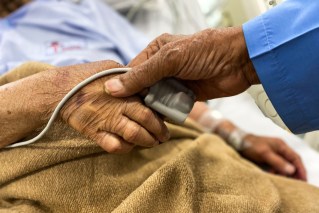
A runny nose, fever and headache can be symptoms of the flu, including Super-K. Photo: Pexels
Doctors are urging Australians to book their influenza shot as the new fast-moving Super-K strain adds to fears of another “horror” flu season.
Subclade K – AKA Super-K – is a mutation of the H3N2 influenza A virus that was linked to an unusually high number of flu cases over summer.
A total of 101 Australians died from the flu in January 2026 – almost three times more than the same month in 2025, according to the Australian Bureau of Statistics – and almost 29,000 Australians have already contracted flu this year.
“High flu activity combined with low vaccination rates will make this flu season extremely dangerous and potentially deadly for high-risk groups, including the elderly and children,” Dr Nic Woods, chief medical officer at health insurer Bupa, said this week.
“We cannot afford to be complacent or ignore the warning signs. Super K is spreading earlier and faster than flu strains seen in previous seasons.”
The symptoms of Super K are said to be the same as those associated with other flu strains, including a runny nose, fever, headaches, sore throat, muscle aches, a dry cough, and feeling tired.
However, it is believed to spread more easily. Like other flu strains, it can be passed on by contact with someone who is sick, through coughing and sneezing, and by touching surfaces with flu germs.

‘Super-K’ is a new strain of the H3N2 influenza A virus. Photos: Pexels / Wikimedia Commons
Why you should get ‘the jab’
Paul Mater, director of infectious diseases at the Mater in Brisbane, said everyone should get a flu jab for protection against Super-K.
“As we do every year, we’ve updated that vaccine – we’ve included different types of flu that should give us the best protection to what we’re expecting to see,” he told SBS News.
Across 2025, there were 502,972 confirmed flu cases in Australia and 1738 deaths related to the virus, according to the ABS.
“Preliminary Australian data suggests people who received the flu vaccine in 2025 were 53 per cent less likely to be hospitalised with influenza or visit a GP for flu symptoms compared with unvaccinated people,” wrote infectious diseases experts Meru Sheel and Allen Cheng in a recent article on The Conversation.
However, less than one third of all Australians received the flu jab last year.
While young children are especially vulnerable to influenza, the number of children under five receiving the vaccine has plummeted since 2020, with the Royal Australian College of GPs (RACGP) saying just 25.7 per cent of children aged six months to five years were immunised by the end of August 2025.
“Last year was a horror flu year,” said RACGP president Dr Michael Wright.
“That likely contributed to the surge in demand on our hospitals we saw in 2025, and unacceptable ambulance ramping when hospitals couldn’t cope as a result.
“No one wants to see that again.”
‘Needle-free’ vaccine for kids
Wright urged all Australians to book their flu vaccine, saying it was “essential” for young children.
“More than 2700 of the flu cases Australia has recorded this year were among babies and children under five, who are at a higher risk of hospitalisation and complications, whether or not they have pre-existing medical conditions,” he said.

Flu vaccination rates for young children have dropped significantly since 2020.
Although needles can be a big barrier to vaccinating children, it is hoped that a new nasal spray vaccine will help curb falling rates of immunisation.
NSW this month became the latest state to offer the nasal spray flu vaccine to children for free, following Queensland, South Australia and Western Australia. It is applied with one spray into each nostril, making it a gentle and painless option.
Wright said nasal vaccines provide the same protection as needle vaccinations.
“All states should be making flu vaccinations free for everyone, and needle-free vaccinations for our youngest patients is the smart way to prevent stressful hospitalisations for them and their parents.”
When should you get vaccinated?
Although Super-K saw a surge in flu cases in January this year, the “flu season” in Australia typically lasts from May to October and peaks in June to July, according to Sheel and Cheng.
“Theoretically, the best time to get the flu vaccine is about two weeks before flu cases start to rise,” the pair wrote in their Conversation article.
“However, this is difficult to predict and the rise can start anywhere between April and July in temperate Australia, and even earlier in tropical northern Australia.
“Our advice is to get the vaccine when it’s available and convenient, sometime around April or May.”
Other experts, like Nic Woods, urge people to book a flu shot as soon as possible.
“Last year, Australia recorded the highest number of influenza deaths since the Spanish flu pandemic more than a century ago,” Woods said.
“’Super-K’ dominated the northern hemisphere winter, with data showing it posed a greater risk to certain groups, particularly children.
“About 90 per cent of childhood influenza deaths in the most recent northern hemisphere season occurred in unvaccinated children.”
The traditional flu jab is free for children aged six months to under five, pregnant women, Aboriginal people aged six months and over, anyone over 65 and those with serious health conditions.
–with AAP
Want to see more stories from The New Daily in your Google search results?
- Click here to set The New Daily as a preferred source.
- Tick the box next to "The New Daily". That's it.