Finland scores ninth happiness title, while Australia slides

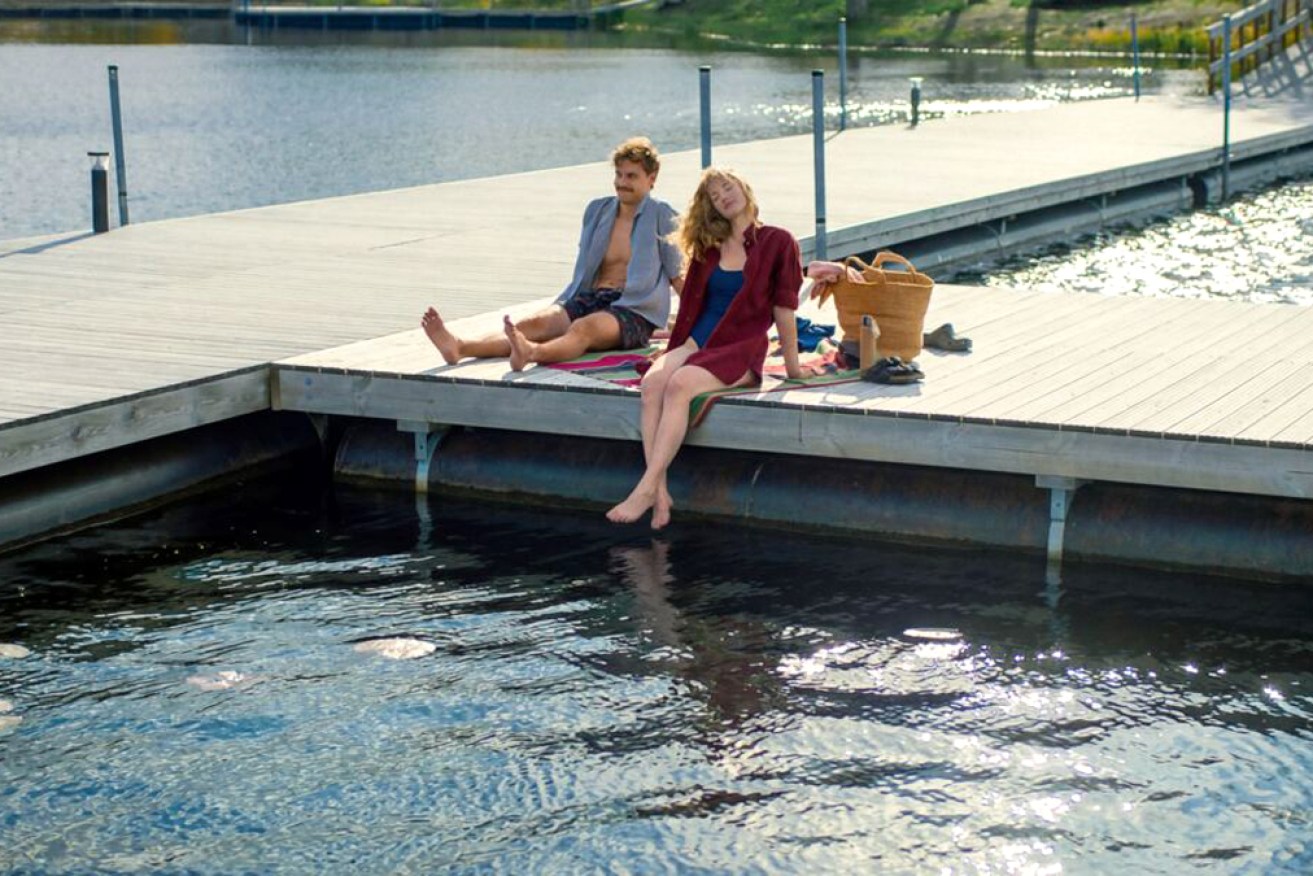
It is the ninth time Finland has been named as the world's happiest nation. Photo: Visit Finland
Finland has been named the happiest land in the world for the ninth year in a row, with other Nordic countries such as Iceland, Denmark, Sweden and Norway ranking among the top 10 countries.
But the news isn’t as good for Australia, which slipped down the ranks to 15th, after clocking in at 10th in 2023.
The report – published on Thursday by the Wellbeing Research Centre at the University of Oxford – also highlighted how life evaluations among under 25-year-olds in Australia, as well as the US, Canada and New Zealand, have dropped significantly over the past decade.
It suggested that long hours spent scrolling through social media was a key factor in that trend.
Heavy social media use contributes to a stark decline in wellbeing among young people. The report noted the effects were particularly worrying in teenage girls in English-speaking countries and Western Europe.
A new entry to the top five on the list is Costa Rica, which climbed to fourth place this year after rising through the ranks from 23rd place in 2023.
The report attributes that to wellbeing boosts from family bonds and other social connections.

The 2026 rankings mark the second consecutive year with no English-speaking countries in the top 10. NZ was just outside at 11th, the US was 23rd, Canada 25th and Britain 29th.
Perhaps somewhat surprisingly, Israel was ranked in eighth. The report was released as many Israelis hunkered in bomb shelters, with schools closed, limited flights in and out of the country and other daily restrictions amid ongoing conflict in the Middle East.
Anat Fanti, a happiness policy researcher at the Program in Science, Technology and Society at Bar-Ilan University, told The Times of Israel that the ranking represented an overall evaluation people had about their lives, rather than their emotions — whether negative or positive — which “come and go each day”.
“Israel’s ranking has consistently gone up since 2021,” she said.
“It doesn’t surprise me because Israelis have a sense of meaning and purpose, which contributes to their overall satisfaction with life.”
The report said the steady showing at the top from Finland and the other Northern European countries was due to a combination of wealth, its equal distribution, having a welfare state that protected people from the risks of recessions, and a healthy life expectancy.
As in previous years, nations in or near zones of major conflict remain at the foot of the rankings. Afghanistan is the unhappiest country again, followed by Sierra Leone and Malawi in Africa.
Finland has seized on its top ranking to launch a “Chill like a Finn” challenge. Tourism authorities will give away a seven-day stay in Finland’s Lakeland, a region known for its lakes, vast forests and peaceful cottage life.
Visit Finland said the experience focused on “mastering the essentials of Finnish relaxation”, rather than a packed itinerary.
“In Finland, we don’t really chase happiness – we tend to find it in small, ordinary moments,” Visit Finland international marketing senior director Heli Jimenez said.
“When life feels overwhelming, sometimes the best way to feel better is simply to slow down, step outside and chill a little – like a Finn.”
The “Chill like a Finn” challenge is open to people around the world – who must explain why they could benefit from a summer reset in the world’s happiest nation.

Midnight swimming in Finland’s Lake Saimaa. Photo: Visit Finland/MikkoNikkinen
Social media pinpointed
The report’s country rankings were based on answers given by about 100,000 people in 140 countries and territories who were asked to rate their own lives.
The study was done in partnership with the analytics firm Gallup and the United Nations Sustainable Development Solutions Network. In most countries, about 1000 people are contacted by telephone or face-to-face each year.
Respondents are asked to evaluate their lives on a scale from 0 to 10. Among under-25s in English-speaking and Western European countries, that score has dropped by almost one point in the past decade.
The report said the negative correlation between wellbeing and extensive social media use was particularly concerning among teenage girls. For example, it said that 15-year-old girls who use social media for five hours or more reported a drop in life satisfaction, compared to others who use it less.
Young people who use social media for less than an hour a day report the highest levels of wellbeing, researchers said, higher than those who do not use social media at all. But adolescents are spending an estimated average of 2.5 hours a day on social media.
Researchers noted that in some parts of the world, such as the Middle East and South America, the links between social media use and wellbeing are more positive — and youth wellbeing has not fallen despite heavy social media use.
The report said this was due to many factors that differed between continents. It found that heavy social media use in some nations was an important contributing factor to the decline in youth wellbeing.
It said the most problematic platforms are those with algorithmic feeds, feature influencers and where the main material is visual, because they encourage social comparisons. Those who use platforms that mainly facilitate communication do better.
The report, with its focus on social media, comes at a time when more and more countries have banned or are considering bans of social media for minors. Australia led the way with its ban on social media for under-16s that took effect last December.
-with AAP
Want to see more stories from The New Daily in your Google search results?
- Click here to set The New Daily as a preferred source.
- Tick the box next to "The New Daily". That's it.