‘Health halo’: How we’re being misled by ‘guilt-free’ booze

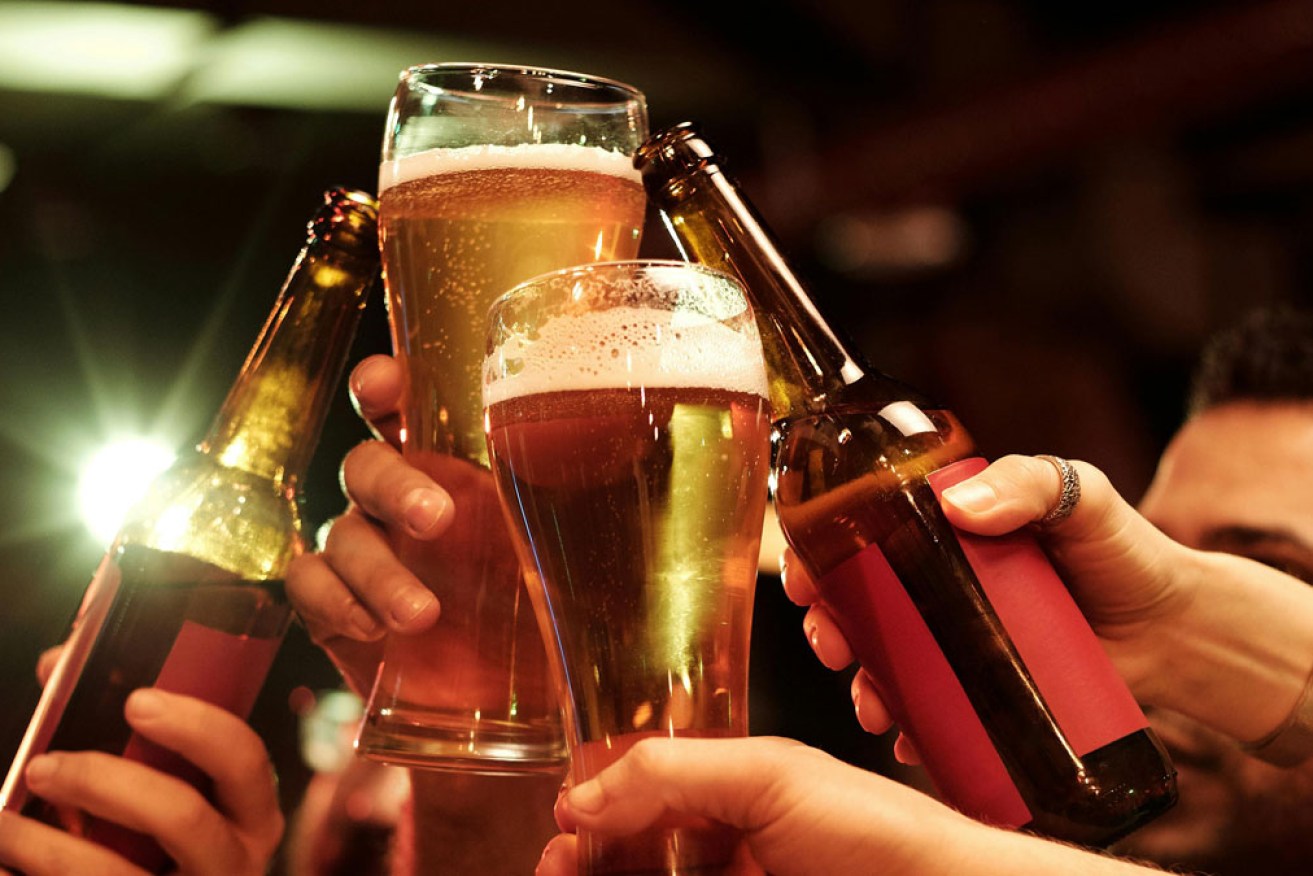
Wellness trends have driven demand for low-carb beers. Photo: Pexels
No carb, low carb, low sugar, lite, keto-friendly… these are just some of the terms the alcohol industry has adopted to convince us that its drinks are healthy.
Type “low-carb beers” into a search engine, and an AI overview summarising the brewers’ marketing pitches describes them as a “crisp, reduced-carbohydrate” alternative to traditional lagers – and a “guilt-free” drinking choice.
Likewise, low-sugar and low-carb wines are also having a moment as consumer interest in health and wellness grows, with at least one major Australian wine merchant even having a dedicated “keto wine” page on its website.
The problem, as new Australian research highlights, is that it is actually alcohol that is the “primary driver of health risk”.
In a study by the George Institute for Global Health and University of NSW involving 2034 Australian drinkers, participants were shown alcoholic drinks with and without nutrition-related claims and asked how healthy they considered each one. All had the same amount of alcohol.
“The results were striking,” it concluded.
“Consumers were nearly three times more likely to rate a product as healthy when it carried a carbohydrate claim and more than twice as likely when it carried a sugar claim.”
Claims related to energy and calorie content also made the drinkers think a product was healthier, but to a lesser extent.
“These claims create a health halo around products where none exists,” warned researcher Asad Yusoff.
“The alcohol content – which is what actually drives cancer risk, liver disease and a range of other health harms – is exactly the same.
“Consumers are being misled.”
Study participants were randomly presented with three sets of three different alcohol types – for example, beer, cider, wine, spirits or premix drinks – with mock product labels, all with the same volume and amount of alcohol. For each set, they were asked which options they would prefer to buy, and then to rate how healthy it was on a five-point scale.
The proportion of respondents rating products as healthy increased from 13 per cent to 26 per cent for carbohydrate claims, 18 per cent to 31 per cent for sugar claims, and 21 per cent to 33 per cent for energy claims.
Women were almost one and a half times as likely as men to rate a product with a calorie claim as healthy, “suggesting these tactics may disproportionately affect health-conscious female consumers”, the researchers said.
Source: Hybrid Training Hornsby / Instagram
The study concluded that the widespread use of such claims in the alcohol market may undermine recent reductions in alcohol consumption, particularly among at-risk groups such as younger drinkers.
While alcohol brands’ zero-alcohol spin-offs might seem a healthier option, a second study by the same institutions concluded that their increasing prevalence in supermarkets is also problematic.
Researchers found that alcohol-branded zero-alcohol products account for 59 per cent of all zero-alcohol drinks available in Australian supermarkets, up from 37 per cent in 2022, with the range more than doubling over the same period (from 110 products to 261).
They sit alongside soft drinks and juices on the shelves, meaning children are among the shoppers exposed to alcohol-brand logos and packaging.
“Supermarkets have always been considered a protected space from alcohol promotion,” said Professor Simone Pettigrew of the George Institute for Global Health.
“What we are seeing now is that protection being quietly eroded.
“These products carry the same branding, the same packaging and the same brand associations as their alcoholic counterparts. The exposure is real, and the regulatory framework has not kept pace.”
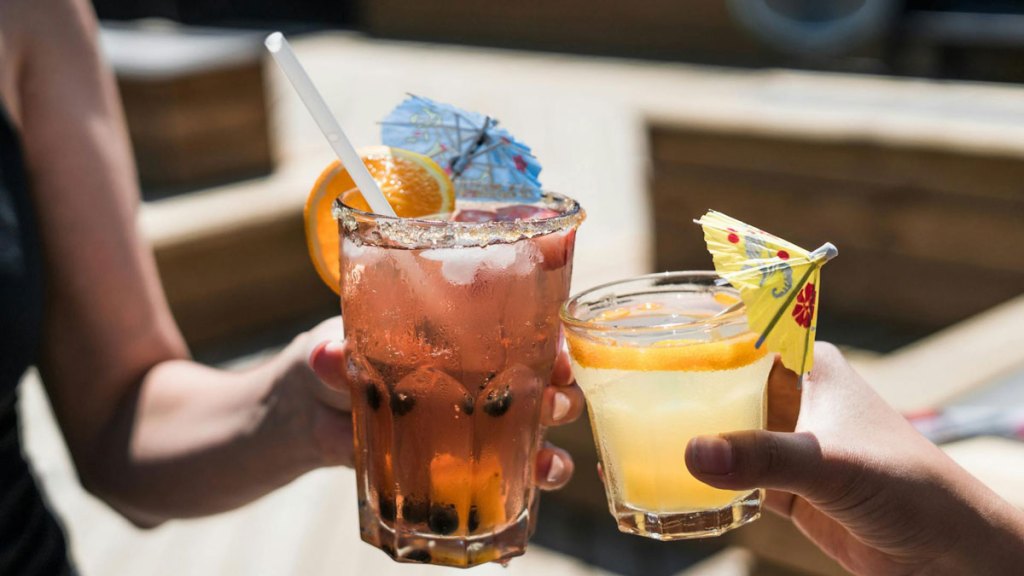
The healthiest option might be a mocktail. Photo: Pexels
While low-carb beer has been around for more than two decades, its popularity and market share has soared in Australia in recent years.
At the end of 2025, beer companies were reporting that sales of low-carb and zero-alcohol beer together had increased by as much as 20 per cent, according to the Australian Financial Review.
It reported that one Australian company that has a range of products with varying alcohol content marketed as zero carb, ultra low carb and low sugar increased its revenue by one quarter last financial year.
At the same time, a spokesperson for Endeavour Group, which operates Dan Murphy’s and BWS, told the AFR that 1½ of every 10 beers purchased at its retailers was a low-carb or no-carb beer – “and the category is predicted to continue to grow even further”.
With increasing numbers of people looking to moderate their alcohol intake, the George Institute and UNSW researchers said it was “critical” that claims about the nutritional qualities of drinks weren’t used to distract attention from alcohol content.
They stressed that even at low levels of consumption, alcohol is associated with significant increases in the risk of developing oesophageal, colorectal, and breast cancers – “risks that remain largely unknown to many who drink”.
“The heavy use of claims by the industry and subsequent effects on perceived healthiness can be likened to previous efforts by the tobacco industry to promote ‘light’ and ‘mild’ cigarettes as safer options,” researchers said.
“As a result, it is essential that policymakers take steps to restrict the use of claims – not only to protect at-risk groups such as younger drinkers, but also the broader drinking population.”
Want to see more stories from The New Daily in your Google search results?
- Click here to set The New Daily as a preferred source.
- Tick the box next to "The New Daily". That's it.

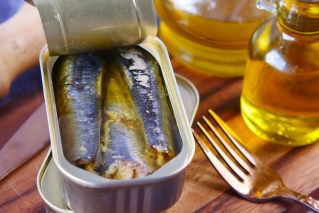
Viral 'sardinemaxxing' craze keeps spreading