‘Bad for business’: Supermarkets targeted in anti-salmon campaign
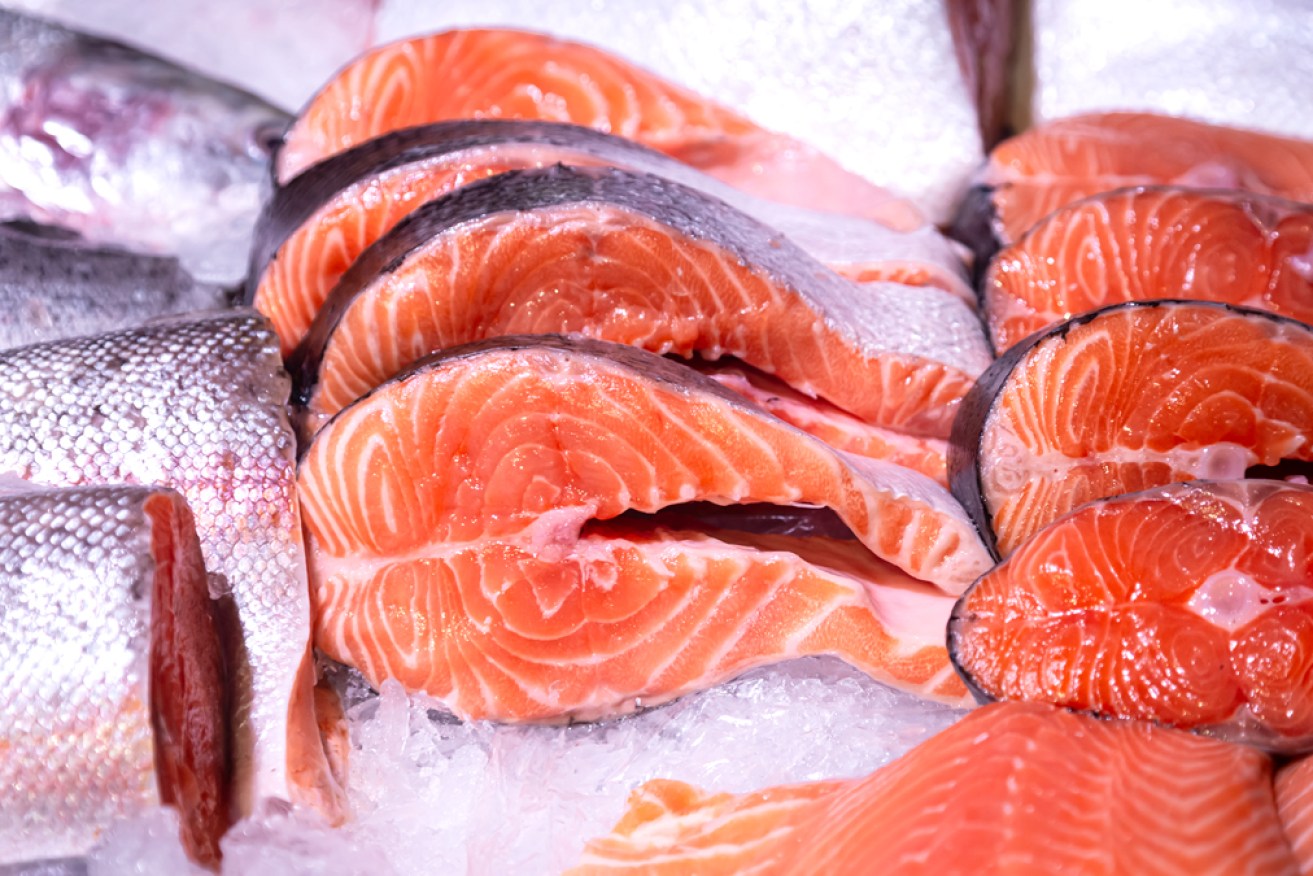
Conservationists are targeting supermarkets over farmed salmon from Tasmania. Photo: Freepik
Australia’s top supermarket chains are being targeted in a push to end the sale of farmed Atlantic salmon.
The Australian Marine Conservation Society wants Coles and Woolworths to stop selling Tasmanian-grown Atlantic salmon, claiming the practice threatens the survival of the native Maugean skate.
Shark and ray scientist and campaign manager Dr Leonardo Guida has delivered a petition with more than 7000 signatures to the bosses of Coles and Woolworths, urging them to stop selling Atlantic salmon farmed in Macquarie Harbour, Tasmania.
“The reason we’re asking Coles and Woolies to stop sourcing Macquarie Harbour salmon is because it sends out a very loud signal that extinction is bad for business and it disincentivises those farming practices,” Guida said.
The supermarket giants are major buyers of the farmed salmon. Guida claims the industry is the leading cause of the decline of the Maugean skate, a ray found only in Tasmania.
The skate, which has been around since the era of the dinosaurs, lives only in the 300-square-kilometre Macquarie Harbour, on Tasmania’s remote south-west coast.
Guida said the skate – which is listed as endangered under Tasmania’s Threatened Species Protection Act 1995 and the Environment Protection and Biodiversity Conservation Act 1999 –may soon become the world’s first marine fish extinction in modern times due to human activity.
He recently spoke at annual meetings of both retail giants, calling on their boards to stop investing in Tasmanian salmon farming.
At the Woolworths’ meeting, 34 per cent of shareholders voted to end the supermarket’s support of Tasmanian salmon in a record global vote for a nature-based shareholder resolution in 2025.
Coles, meanwhile, has removed the “responsibly sourced” label from its own-brand salmon, which includes Macquarie Harbour products.
Guida said intensive salmon farming depleted oxygen and water quality in the already naturally low-oxygen Macquarie Harbour, creating “dead zones” in the harbour’s deeper waters.
“Excess feed and fish waste from salmon farming gets chewed up by microbes and bacteria in the water, and they chew up what little oxygen is left for the skate, and as such, the skate, in part, literally suffocates to death,” he said.
There are an estimated 1500 skates left in Macquarie Harbour after a devastating storm in 2019 that killed almost half of the population.
“The harbour was literally flipped upside down when a massive storm forced seawater into the harbour through its very narrow and shallow entrance,” Guida said.
“That seawater essentially sank to the bottom because it’s more dense, and lifted all that oxygen-depleted water right up through to the surface, and this eventually contributed to wiping out half of the skates at the time.”
Guida warned that a repeat of the 2019 storm could send the Maugean skate to an inevitable trajectory towards extinction.
“I’m pretty confident in saying that no Australian wants to see another Tasmanian tiger situation, and I think anyone can understand that farming an introduced species that is literally driving the extinction of a native endangered animal is not sustainable and should not be happening in our waters,” he said.
“The quickest and most effective way to improve outcomes for the state is to eliminate salmon farming entirely from Macquarie Harbour.”
The AMCS urges consumers to buy New Zealand-farmed King salmon, Australian land-based farmed barramundi or native Australian salmon instead of Tasmanian Atlantic salmon.
A Coles spokesperson said the company took responsible sourcing seriously and recognised the ongoing concern of potential impacts on the Maugean skate.
“We know this is an important and complex issue, and one that we have been closely monitoring since 2019, along with certification bodies, industry, researchers, NGOs and government, to understand the latest science, regulation and community expectations,” they said.
“Coles has reduced sourcing of salmon from Macquarie Harbour and remains committed to ongoing transparency and adaptation of sourcing policies as new scientific data and regulatory standards emerge.”
Woolworths was approached for comment.
Republished from InDaily
Want to see more stories from The New Daily in your Google search results?
- Click here to set The New Daily as a preferred source.
- Tick the box next to "The New Daily". That's it.



Viral 'sardinemaxxing' craze keeps spreading