Australian measles cases rise amid concerning vaccination trend

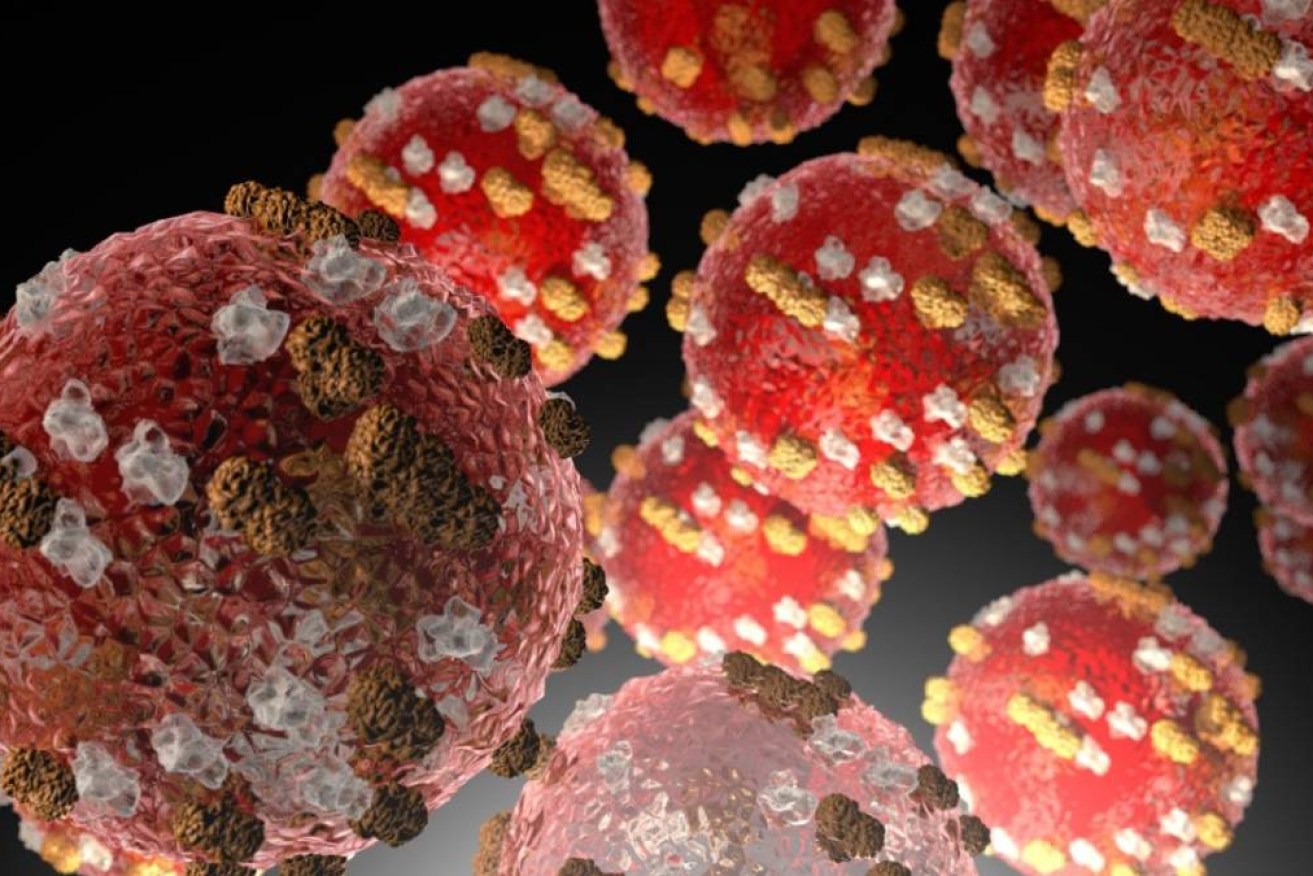
Victoria, NSW and Western Australia most recently issued notices warning of an ongoing risk of measles. Photo: CDC
Concerning clusters of measles cases are emerging across the country amid global outbreaks and a decline in vaccination rates for Australian children.
Measles cases have been reported in most Australian states, with Victoria, NSW and Western Australia most recently issuing notices warning of an ongoing risk of measles linked to travel overseas and interstate.
In the past week, measles exposure sites, including hospitals and a high-school hall have been declared in Sydney and regional NSW.
Health authorities in Victoria noted in early February that the increase in measles cases was linked to overseas travel.
They said outbreaks of the disease had been reported in popular Australian travel destinations, including Indonesia, Thailand and India.
Indonesia had the world’s highest number of cases between June and November 2025, according to the World Health Organisation.
In the US, meanwhile, dozens of people have been hospitalised with measles already this year, while Canada has lost its measles elimination status.
An outbreak in London is putting children in hospital, and may force unvaccinated children to stay home from school.
Vaccination concerns
Of particular concern for Australia are declining vaccination rates in children.
Before the Covid pandemic, Australia surpassed the national target of having 95 per cent of one-year-olds fully vaccinated, rates that were among the best in the world.
Post-Covid, Department of Health figures show that the number of fully-vaccinated one-year-olds has dropped as low as 80 per cent in some parts of the country.
Grattan Institute analysis released this week shows an unprecedented slide in vaccinated infants in Australia in the past five years.
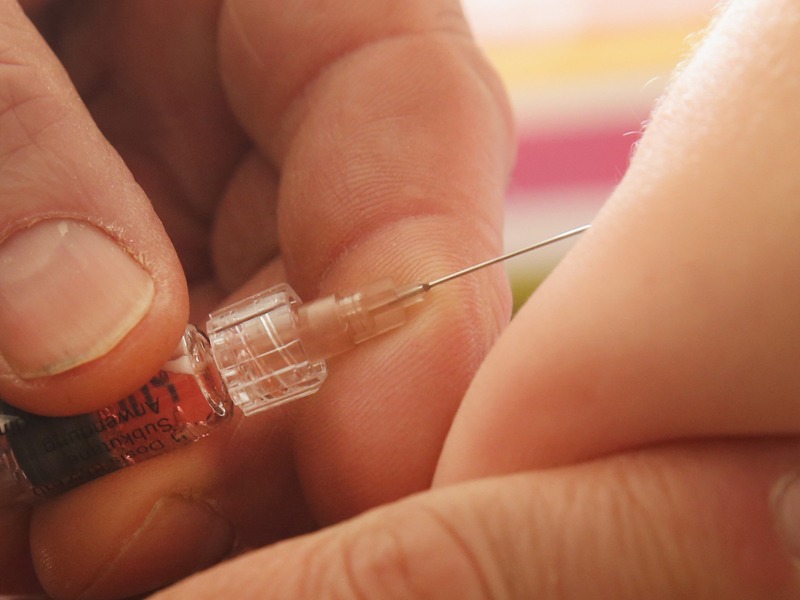
Australia has recorded an unprecedented slide in vaccinations. Photo: Getty
Many parts of Australia are now well below national vaccination targets.
Five years ago, 56 per cent of regions and suburbs were achieving the national target for one-year old vaccination – today it is just 18 per cent.
The drop in vaccinations may be attributed various factors, ranging from borders opening after the pandemic to US President Donald Trump’s administration avowed anti-vaccine stance, to cost of living pressures.
“We’ve had ongoing issues with our vaccination coverage, and it mostly has to do with access, not so much as disinformation,” Meru Sheel, a University of Sydney professor of infectious diseases, said.
“The vaccine dose is free, but getting to the clinic and the cost of seeing a doctor can be prohibitive, and then there’s issues around knowledge and doubts around vaccination.”
Extremely contagious
Cases of measles, a highly infectious viral illness that is carried through the air in droplets, have surged in the US.
They reached record highs in 2025 of 2276, with more than 900 already in 2026.
The WHO estimates the virus is 12 times more contagious than influenza, with symptoms of coughs, rashes, high fever and red eyes often leading to deadly results.
“What happens in one part of the world impacts many parts of the world,” Sheel said.
“What we really need to think about is our ability for checks and balances and ensuring a policy consistent with the evidence, which is where we are.”
In Australia, measles cases have risen from zero in 2021 due to strict Covid lockdowns to 181 in 2025, according to the National Notifiable Disease Surveillance System.
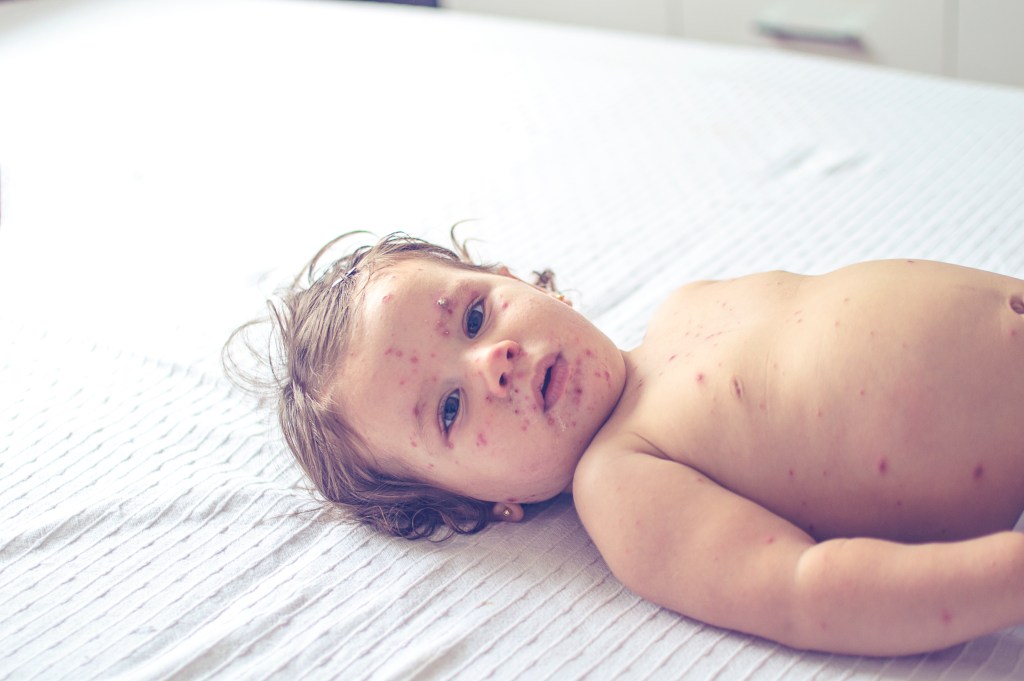
Australian cases of measles fell to zero in 2021 during lockdowns. Photo: Getty
The National Centre for Immunisation Research and Surveillance reports levels of on-time childhood vaccination remain substantially lower than before the Covid-19 pandemic.
In 2024, one in three children received the first dose of measles-mumps-rubella vaccine late, while one in five got the second dose of a diphtheria-tetanus-pertussis-containing vaccine late.
ANU epidemiologist Martyn Kirk said misinformation and disinformation about the safety of vaccines had also had an impact on coverage rates as parents relied on social media as a source of information.
“In general we have seen a decline in childhood vaccination rates but governments have been working very strongly to try and promote it as a healthy and safe way of controlling diseases,” he said.
He said measles infections were worse in people who were very young or pregnant women or for those with compromised immune systems.
“It’s more infectious even than Covid,” he said.
-with AAP
Want to see more stories from The New Daily in your Google search results?
- Click here to set The New Daily as a preferred source.
- Tick the box next to "The New Daily". That's it.