Longest-lived person reveals insights into healthy ageing

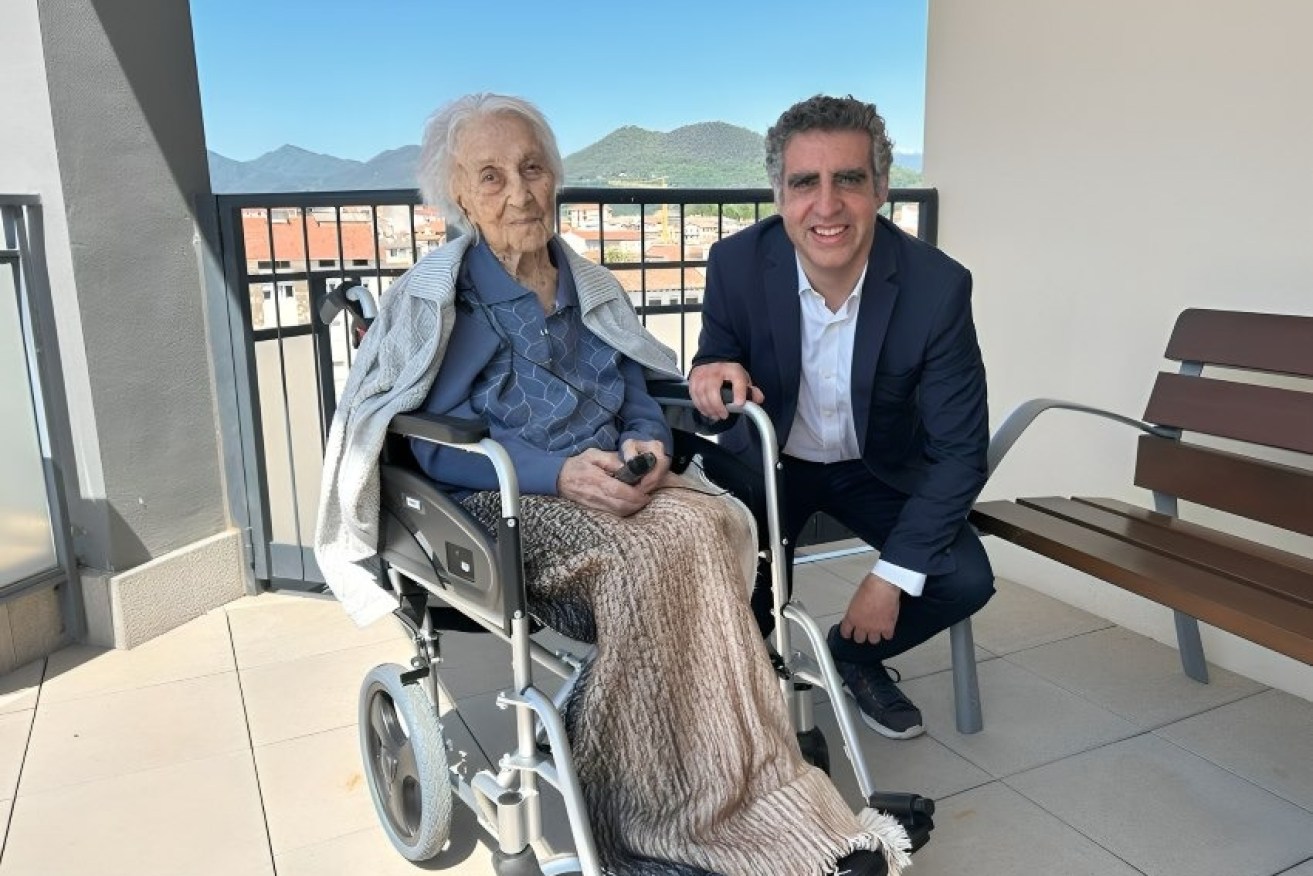
Maria Branyas was more than 117 years old when she died last year. Photo: Josep Carreras Leukaemia Research Institute
Maria Branyas was the world’s oldest verified living person from January 17, 2023, to August 19, 2024, when she died in her sleep at the age of 117 years and 168 days.
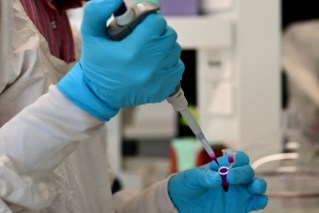
A new study, published in the journal Cell Reports Medicine, has analysed her genetics, epigenetics, proteins, metabolism and microbiome compared to other populations to reveal insights into extreme ageing and healthy longevity.
Despite displaying the hallmarks of advanced age – such as very short telomeres (the ends of chromosomes), a pro-inflammatory immune system and an aged population of B lymphocytes (a type of white blood cell) – Branyas never suffered from age-associated serious diseases such as cancer or neurodegenerative disease.
The researchers said the findings showed that extremely advanced age and poor health were not intrinsically linked, and that both processes could be distinguished and dissected at the molecular level.
“[Branyas] was a Caucasian woman born on March 4, 1907, in San Francisco, US, from Spanish parents and settled in Spain since she was eight,” the paper’s authors write.
“She kept a strong physical and mental health throughout life with good sleep habits, balanced Mediterranean diet, and active social life. She largely enjoyed from quality time with family and friends, playing with dogs, reading books, growing a garden, walking, and playing the piano.”
Branyas exceeded the average life expectancy of women in Catalonia (86 years) by more than three decades.
“Although centenarians are becoming more common in the demographics of human populations, the so-called supercentenarians (over 110 years old) are still a rarity,” the authors said.
Branyas’ tissue, genetics and epigenetics (changes in gene expression which occur without altering the DNA sequence)– showed signs of healthy longevity.
“This … is evidenced by the presence of genetic variants protective against common diseases (e.g., cardiovascular disorders, diabetes, and neurodegeneration), an efficient lipid metabolism, an anti-inflammatory gut microbiome, and an epigenome associated with chromosomal stability and decelerated epigenetic aging,” the authors wrote.
They also identified seven genetic variants in Branyas’ genome that had not been described in any of the European control populations examined. This suggests they could have contributed to her extreme lifespan.
Branyas’ habits and environment may have also shaped her ageing.
For example, each day she ate around three yoghurts, which contained bacteria known to favour the growth of Bifidobacterium – anti-inflammatory bacteria that dominated her gut microbiome.
“Whether the dominance of the Bifidobacterium-related genus is fully attributable or not to the yoghurt diet cannot be completely confirmed since that would have required a longitudinal study with sample collection over several years,” the authors wrote.
“However, we believe that it is likely that a beneficial effect of yoghurt ingestion via modulation of the gut ecosystem could have contributed to her wellbeing and advanced age.”
The findings, they said, provided a fresh look at human ageing biology, suggesting biomarkers for healthy ageing, and potential strategies to increase life expectancy.
“The extrapolation of our results to the general population will require larger cohorts and longitudinal prospective studies to design potential anti-ageing interventions.”
This article first appeared in Cosmos Magazine. Read the original here
Want to see more stories from The New Daily in your Google search results?
- Click here to set The New Daily as a preferred source.
- Tick the box next to "The New Daily". That's it.