Five things I wish people knew about supplements – by a nutritionist

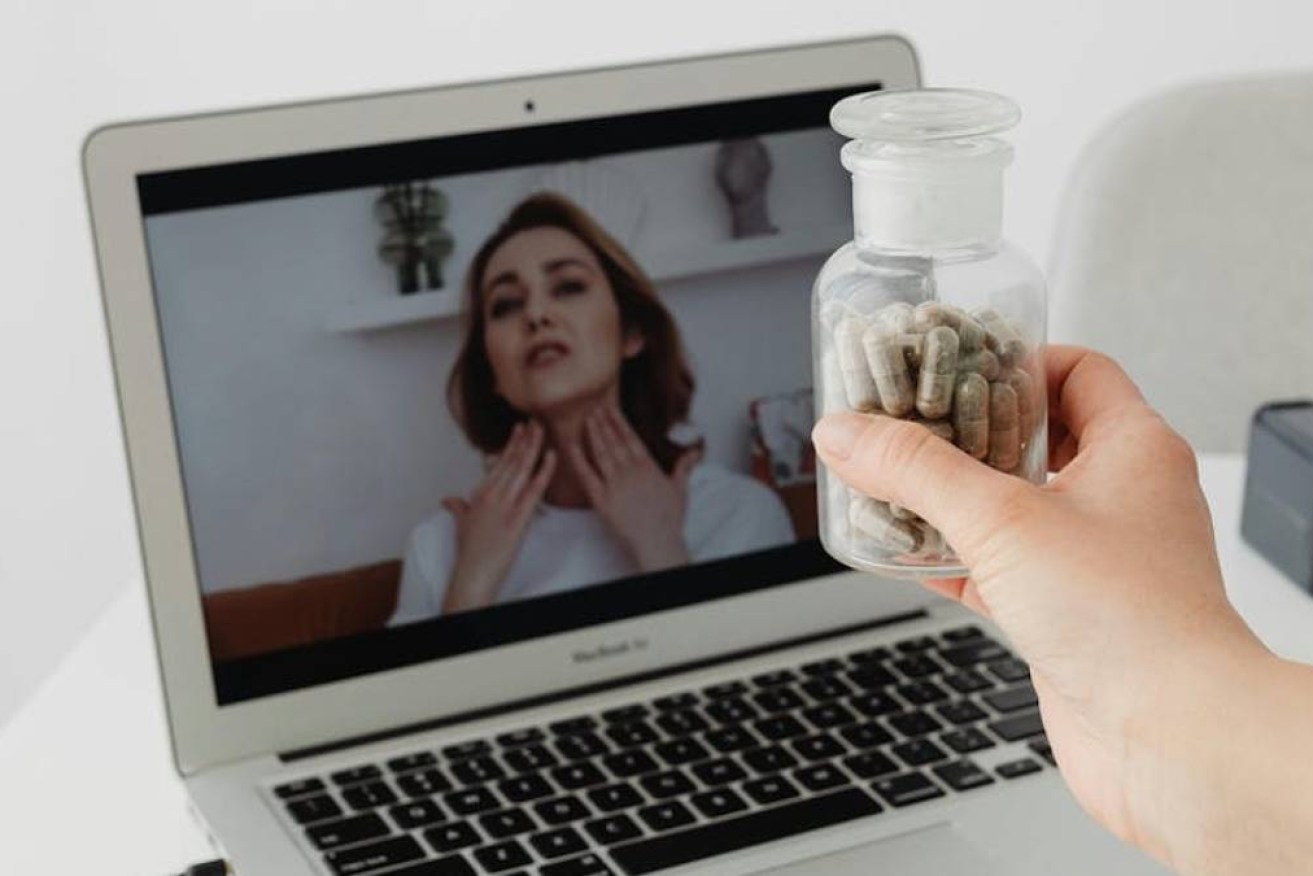
Supplements can support health when there is a specific need, but they are not a cure-all. Photo: Pexels
From collagen powders to immunity gummies, supplements are everywhere – in our Instagram feeds, on supermarket shelves and filling our bathroom cabinets.
Promising better sleep, glowing skin, sharper focus or even a longer life, they’re marketed as quick fixes for modern health woes.
As a nutritionist, I’m often asked whether supplements are worth the money – and the answer is: It depends. Based on online claims, you might think they can cure almost anything.
While some supplements do have a valuable role in certain circumstances, they are often misunderstood and frequently oversold. Yet many people are unaware of the risks, the limitations and the marketing tricks behind the labels.
Here are five things I wish more people knew before buying supplements.
1. Start with food, not supplements
If you can get a nutrient from your diet, that is almost always the better option. The Australian government’s Healthdirect site defines a food supplement as a product “designed to give you nutrients that might be missing from your diet”. In other words, supplements are there to support your diet, not replace real foods.
Whole foods offer much more than isolated nutrients. For example, oily fish such as salmon provides not just omega-3 fats, but also protein, vitamin D, selenium and other beneficial compounds.
These interact in ways we don’t fully understand, and their combined effect is difficult, if not impossible, to replicate in supplement form.
Scientists have tried to isolate the “active ingredients” in fruit and vegetables to recreate their benefits in pills, but without success. The advantages seem to come from the complete food, not one compound.
That said, there are circumstances where supplements are necessary. For instance, folic acid is recommended before and during pregnancy to reduce the risk of neural tube defects in the foetus.
Vitamin D is advised during winter months when sunlight is limited. People following a vegan diet may need vitamin B12, since it is mostly found in animal products.
2. You might be taking too much
It is far easier to take too much of a supplement than it is to overdo it with food. In the short term, this might lead to side effects such as nausea or diarrhoea. But long-term overuse can have serious consequences.
Many people take supplements for years without knowing whether they need them or how much is too much. Fat-soluble vitamins like A, D, E, and K are stored in the body rather than excreted.
Too much vitamin D, for example, can lead to a build-up of calcium, which may damage the kidneys and heart, as well as weakening bones. High doses of vitamin A can cause liver damage, birth defects in pregnancy, and decreased bone density.
Even water-soluble vitamins can cause problems, with long-term overuse of vitamin B6 being linked to nerve damage.
Since most people don’t regularly check their blood nutrient levels, they often don’t realise something is wrong until symptoms appear.
3. Don’t trust social media
Spend a few minutes online and you will probably see supplements promoted as “immune-boosting”, “natural”, or “detoxifying”. These words can sound convincing, but they have no scientific definition. They are marketing terms.
The UK Food Standards Agency is clear that supplements “are not medicinal products” and “cannot exert a pharmacological, immunological or metabolic action”. Yet many online claims suggest otherwise. This kind of marketing, sometimes called “health-washing”, gives the impression that supplements have powers they do not.
Supplements are not subject to the same testing and regulation as medicines. This means they can be poorly formulated, wrongly dosed, or mislabelled.
In Australia, advertising health-related products or services on social media is subject to regulations outlined by the Therapeutic Goods Administration and the Australian Health Practitioner Regulation Agency.
The regulations aim to ensure advertisements are not misleading, and promote safe and responsible use of products and services.
But enforcement is difficult, especially with influencer marketing and affiliate schemes.
Multilevel marketing (MLM) schemes add further complexity. Sellers, often with no medical or scientific training, promote products using personal anecdotes rather than evidence. While there is specific guidance on how MLM sellers can advertise supplements, these rules are frequently ignored, are rarely enforced and often slip through regulatory gaps, meaning there are some truly astonishing claims being made.
4. More about sales than science
The global supplement market is worth more than $200 billion. Like any major industry, its goal is growth and profit. This influences how products are developed and marketed.
If a supplement truly worked, it would be recommended by doctors, not influencers.
Some supplements are supported by evidence, but they tend to be the less eye-catching ones, such as iron or vitamin D. Many others are advertised with claims that stretch far beyond what the research shows and are often promoted by people with no formal training in nutrition or healthcare.
5. Some supplements aren’t safe
Being available over the counter does not mean a supplement is safe. Even products labelled as “natural” can interact with medicines or cause harm.
St John’s Wort, sometimes used for low mood, can have dangerous side effects if taken alongside some antidepressants, birth control and blood pressure medications. Vitamin K can interfere with blood thinners like warfarin. High-dose iron can cause digestive problems and affect how some antibiotics are absorbed.
Many supplements haven’t been tested for safety in pregnant people. Others, like high-dose vitamin A, are known to be harmful in pregnancy and can pass through breast milk. If you’re pregnant, breastfeeding, taking medication or managing a health condition, speak to a pharmacist, GP or dietitian before starting a new supplement.
Supplements can support health when there is a specific need, but they are not a cure-all. Before spending money on a product with big promises, ask yourself: Do I really need this, or would I be better off spending the money on nutritious food?
Rachel Woods is a senior lecturer in physiology at the University of Lincoln
Want to see more stories from The New Daily in your Google search results?
- Click here to set The New Daily as a preferred source.
- Tick the box next to "The New Daily". That's it.