These promises sound scientific, but they don’t match what detox actually means. In medicine, detoxification refers to the removal of harmful substances from the body under controlled conditions, especially in the context of substance dependence or poisoning.
Outside of this context, the wellness industry has stretched the word to cover a wide range of practices and products that claim to rid the body of unspecified toxins. These claims are not supported by medical science.
Our bodies come with their own highly effective detoxification system. The liver and kidneys do most of the work.
When we eat or drink, nutrients and waste products enter the bloodstream and pass through the liver. The liver produces bile to help break down fats and remove toxins through faeces and urine
Blood then passes through the kidneys, where tiny filtering units called nephrons remove waste and excess substances, sending purified blood back into circulation.
Smaller amounts of waste are also removed through sweat, exhaled air and normal digestion. When this system fails, the effects are serious and obvious. People develop symptoms that require urgent medical care, not a special juice cleanse.
An issue with detox culture is that it could even encourage overconsumption, particularly of alcohol, in the hope that a post-binge cleanse will undo the damage.
The only reliable way to limit alcohol’s impact is to reduce how much we drink. No smoothie or detox drink reverses the effects of excess alcohol.
Detox approaches vary widely. Some are mostly harmless but unhelpful, while others carry real risks. The harmless group tends to rely on ideas that sound healthy at first glance but are not backed by good evidence.
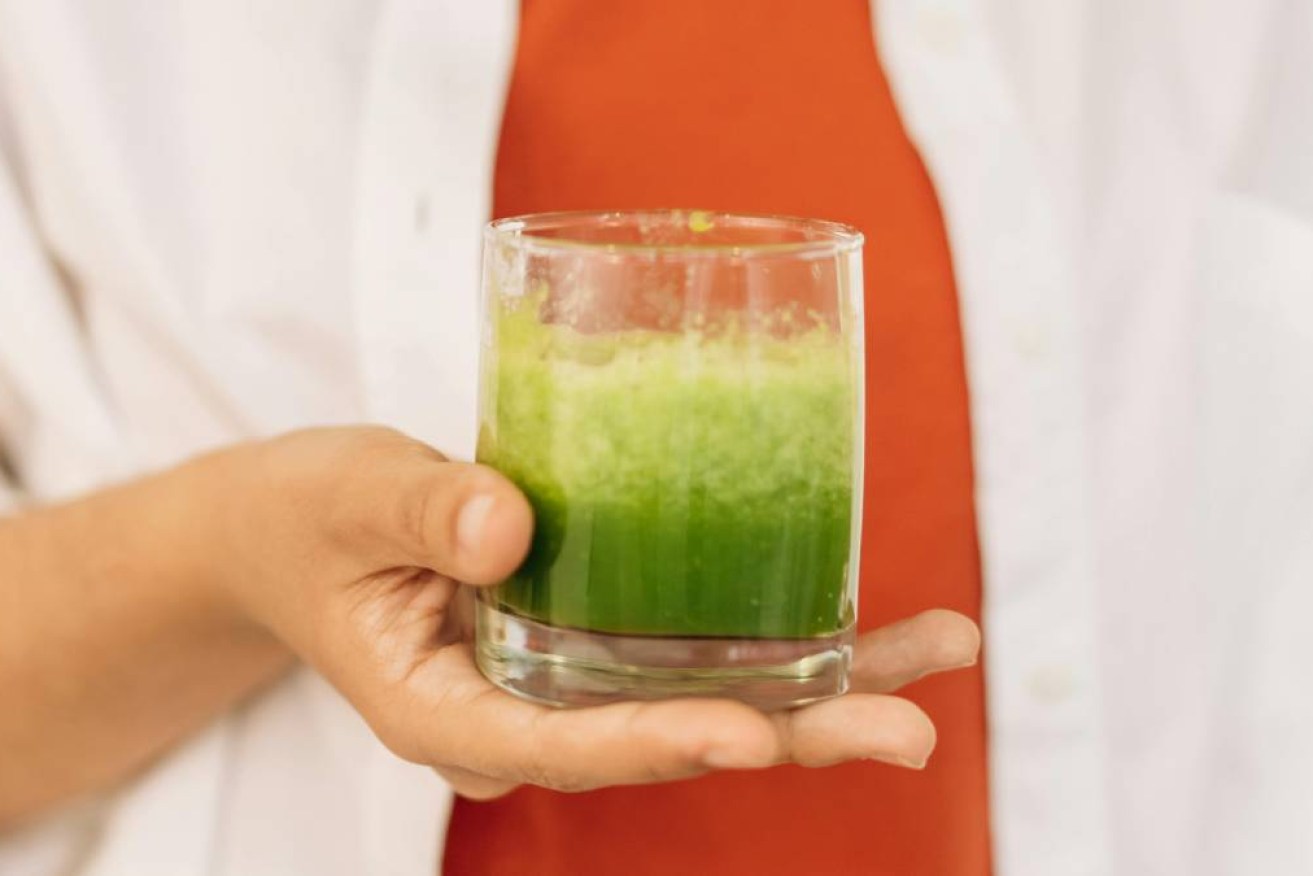
Juice cleanses and liquid-only diets, for example, remove or break down a lot of the fibre from the fruit and vegetables. Some vitamins and antioxidant compounds are also lost, and the sugars become more rapidly available because the structure of the plant is broken down.
While drinking fruit and vegetables as a juice is better than not having them at all, eating whole fruits and vegetables tends to keep you fuller longer and provides more consistent nutritional benefits than drinking juice.
Lemon water is another common recommendation. It may taste sharp and refreshing, but it does not burn fat or remove toxins.
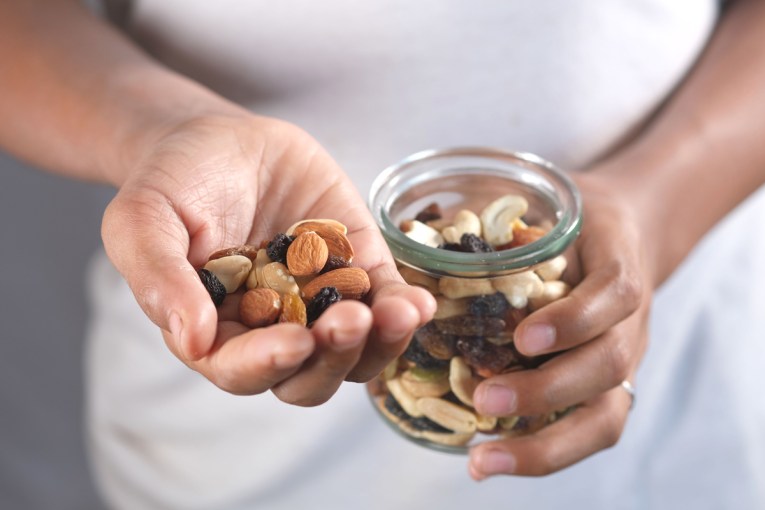
Detox teas are frequently marketed with added herbs or minerals. Some contain nutrients such as selenium, but these are already found in many everyday foods including seafood, poultry and nuts.

The latest detox trend won’t compensate for binge drinking. Photo: Getty