Snail shots and top-notch gin: Three key trends changing dining out

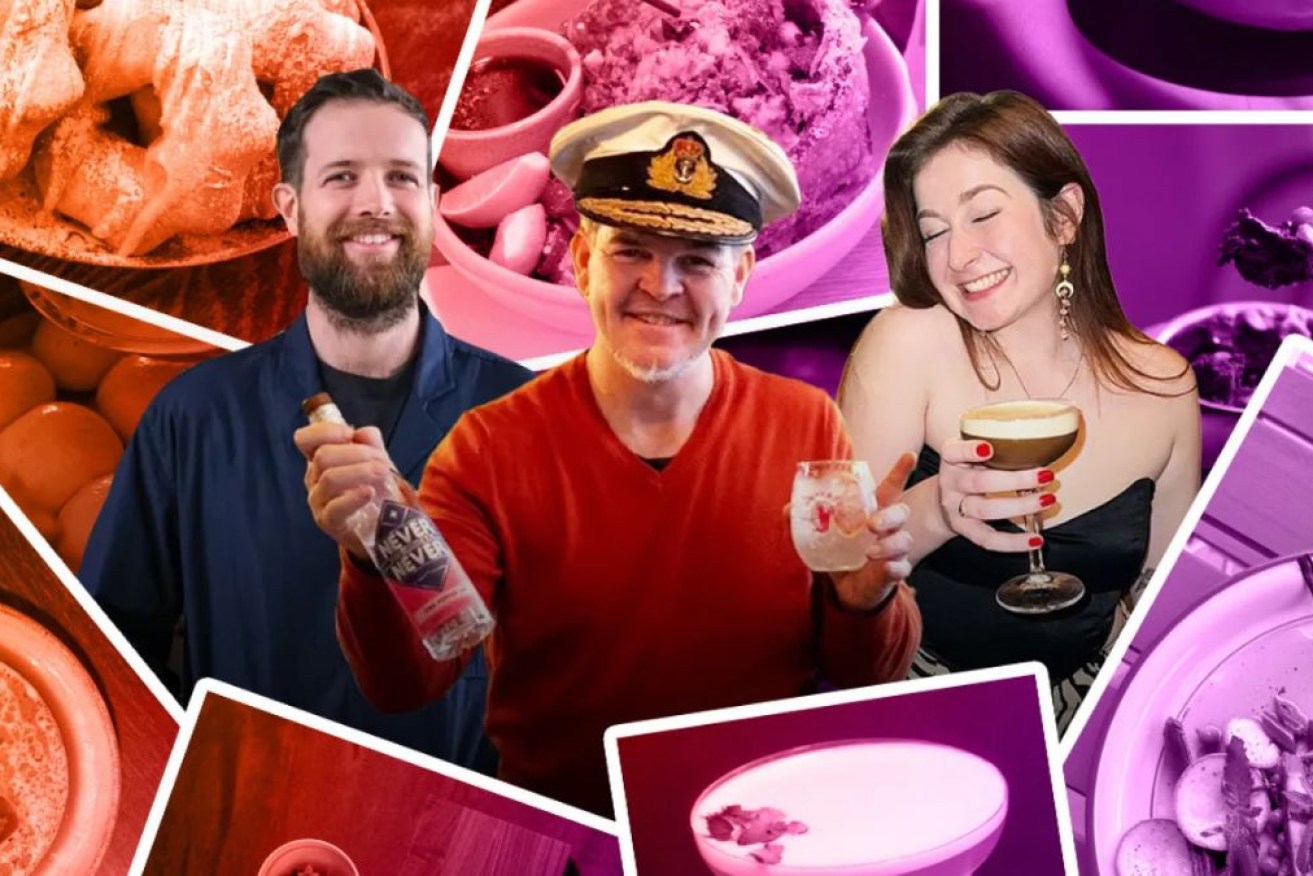
Diners are going for quality over quantity, Adelaide restaurateurs note. Photo: CityMag
Hospitality in Australia has gone through various eras in the past five years.
There was Covid – we were forced to stay inside, and ordering takeaway was equivalent to dining out.
Then came the post-Covid boom: We started spending cash, though we were restricted in numbers and forced to remain in our seats. Most recently, we entered the post-Covid lull. The cost-of-living crisis kicked in and people became more conservative with spending.
Five years on from the pandemic, we peer into a crystal ball to see what hospitality will look like in the future, and how Australians’ dining habits will change.
1. We will be happy to pay for quality
Marcus Motteram, the co-owner of Adelaide cocktail bar Hains & Co, said diners “drink less but they drink better quality”.
“Covid was a really fascinating time – we had all these capacity restrictions, yet our turnover was fairly similar,” his co-co-owner, Marissa Galatis-Motteram, said.
Mottram said patrons had been stuck at home and were “desperate to get out”.
“They had all these savings and they couldn’t spend it during Covid, and they went hard,” he said.
Galatis-Motteram said people were experimenting more.
” ‘Let’s try a more premium whisky. Let’s have a more expensive cigar’. They’ve maintained those habits, so they’re drinking less but drinking better quality – that’s what we’re finding,” she said.
She said customers were “going to more tasting events and educational events”.
“They’re learning that a good tequila is made out of 100 per cent agave and you’re like, ‘right, that’s why I used to get so trashed and hungover back when I was 21 because I’m sure the tequila was not 100 per cent agave’,” she said.

Marcus Motteram and Hains & Co. Photo: Claudia Dicheria
The pair say different cocktails are becoming more popular as customer tastes change.
“They’ve become far more discerning in what they drink. So back in 2015, vodka was it. Then slowly gin started,” Galatis-Motteram said.
“Now, instead of people calling out ‘I’ll have a gin and tonic’, they’re calling their gin brands: ‘I will have a Never Never Pink Pepper gin with Fever-Tree Mediterranean Tonic’ instead of just a ‘gin and tonic’.”
There was once a time when “everyone used to just like sweet cocktails”. Now, negronis and whiskey sours are some of Hains & Co’s best sellers.
“I think people have moved away from that a little bit and they are looking for cocktails like a perfectly balanced margarita,” Galatis-Motteram said.
“You can go to a place and have a proper margarita, and you can go somewhere else and you get a margarita, and you’re like ‘this is so sweet. What have they put in there?’.”
2. We will want an experience
Also in Adelaide, The Big Easy Group’s Vardon Avenue address has had three iterations since it took over the venue in 2019.
In 2023, it rebranded Yiasou George – a Greek restaurant – to House of George – a Mediterranean restaurant.
Then in June 2025, it was transformed to Tarantino’s, a New York-style Italian restaurant representative of where the group thinks “dining is going”. It came after realising the House of George “concept itself was a little bit broken”.
Alex Bennett of The Big Easy Group said House of George had delivered “really good food, a great experience, a lovely venue and the people who came loved it”.
“But the concept itself was … not quite right for the times: It was all big, communal food for large groups,” he said.
“We were seeing more and more that our group size was getting smaller, so a group of two couldn’t really come and have the House of George experience.”
Oliver Brown of The Big Easy Group said La Louisiane, another venue in the group’s portfolio, showcased the ethos of experience-based hospitality.
“We wanted to lean into that [at Tarantino’s], and La Louisiane has been a prime example of that transformative experience where you go down and you could be anywhere in the world,” Brown said.
“You have the snail shots, martinis on arrival and live music.”
Brown thinks this experience-based hospitality model is due to viral TikTok trends and the inevitable evolution of the dining landscape.
“I think people go to cafes for dates, [but] when I was younger, you’d only go to a bar,” he said.
“I think people are drinking a bit less and a bit more responsibly, [which] means that people are choosing to come and spend their money on a nice dinner.
“We definitely see it at La Louisiane. You’ll have early 20-year-olds come and have a $250 dinner, and that’s their night. They’re not going out, whereas before, people would go out and they’d save that $250 for like, 18 Fire Truck [cocktails].”

Big Easy’s Tarantino’s opened in July. Photo: CityMag
3. Trends will emerge from our phones
Brown said “the food element is actually getting more pronounced”, also due to the “TikTok effect”.
“People want to be out, and people are eating a little bit more and showing the food they eat a little bit more,” he said.
Rylee Cooper, content creator and founder of social media pages Date Night Adelaide and The Hobby Club, sees different trends appearing on social media before landing on plates in South Australia.
“Obviously, we had the rise of matcha as the trending occurrence, and we had the rise of the Mont Blanc that was there for a bit. Food and drinks within the hospitality industry seem to follow very similar trends to those seen on social media,” Cooper said.
“They come and they go, really … but I can pretty much guarantee that all the stuff that occurs on social media and other countries in other places, if it’s covered enough, will eventually end up here, purely because people are talking about it and it’s trending.”
Cooper believes social media encourages “product development” and is a “good place for inspiration” and “for businesses to come together and do something [interactive]”.
“The latest slew of jazz nights is probably the easiest way to see that conceptually. That was something that [emerged online] in Europe or maybe in America,” she said.
“We had one here, then we had two here. Now suddenly, there’s like 10 places that do jazz nights.”
She said experience-based hospitality was the future.
“I mean, hospitality doesn’t mean food, right? Hospitality means the vibe at the place when you enter it. So absolutely: I think as much as good food is important … the vibe and the ambience and the service have always been a core factor as to what makes people think positive or negative things about it,” she said.
“I think in Adelaide, especially, we’ve seen a really good shift towards people wanting to create community and being much louder and much more intentional with it.
“When there’s so many options and so many varieties to pick from, you need to do something that’s going to make you stand out.”
Republished from The Blueprint Edition of CityMag
Want to see more stories from The New Daily in your Google search results?
- Click here to set The New Daily as a preferred source.
- Tick the box next to "The New Daily". That's it.





Viral 'sardinemaxxing' craze keeps spreading