Record temperatures turn up heat on climate risk to properties

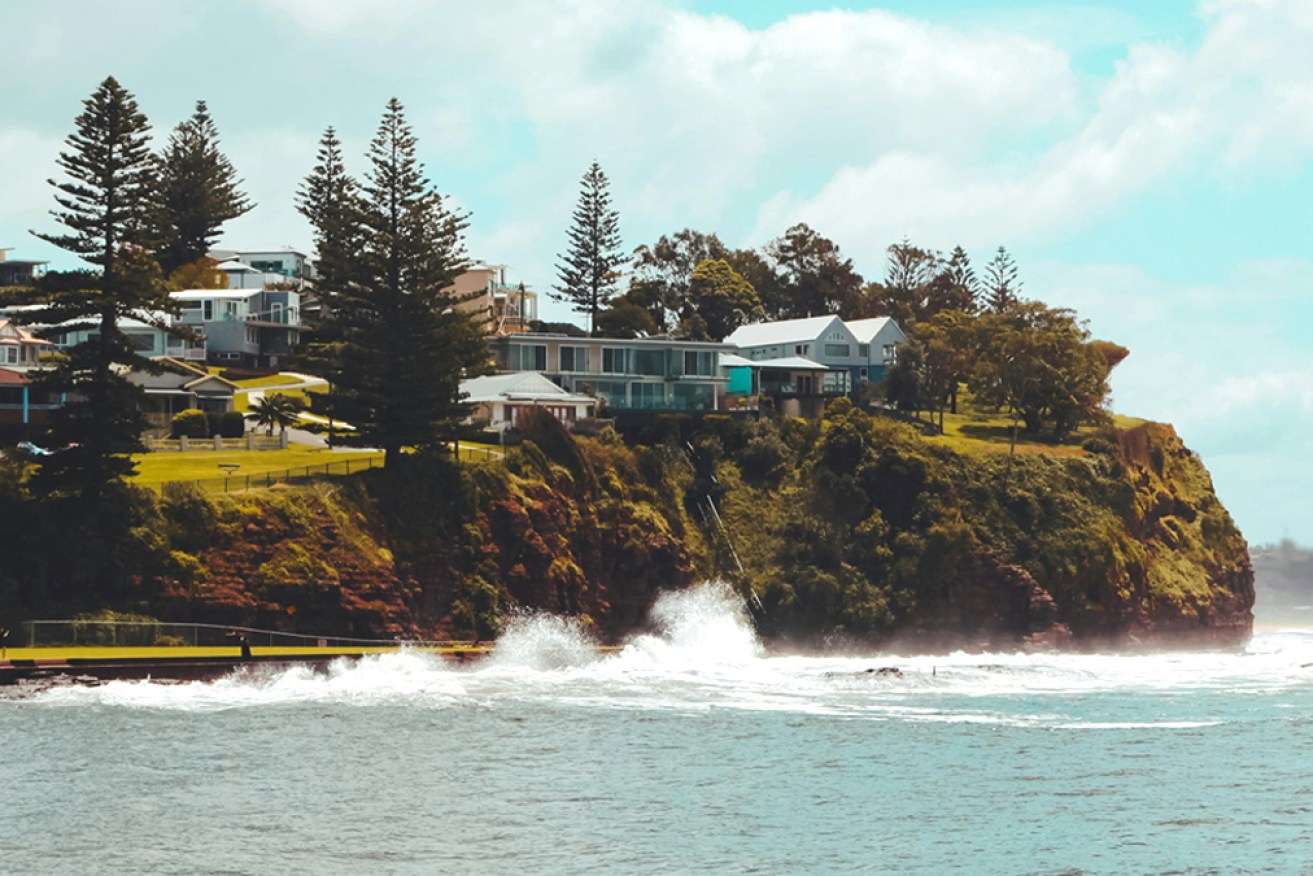
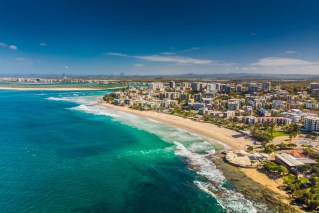
Some of Australia's favourite tree and sea-change towns are riding out the rising effects of climate change – so far. Photo: Pexels
As a record heatwave continues to grip parts of Australia, with temperatures climbing up near 50 degrees in some places, analysis shows climate-driven disasters are increasingly influencing our property markets.
Ray White chief economist Nerida Conisbee said natural disasters could produce different housing outcomes – with some locations rebounding strongly while others faced long-term issues.
She said it wasn’t simply the actual disaster that determined price performance, but also if repeated events altered perceptions of ongoing risk and future viability.

Mallacoota was extensively damaged in the Black Summer fires of 2019-2020. Photo: ABC
Why some towns rebound and others don’t
The diverging experiences of the regional towns of Mallacoota and Lismore highlight this shift.
Mallacoota, in coastal Victoria, was one of the communities hit hardest by the 2019-20 Black Summer bushfires.
Since then, however, its house prices have recovered steadily. A 24-month rolling median (a clearer measure in markets with less turnover) shows prices in the town are about 25-30 per cent above their pre-bushfire levels. They rose further during the pandemic-era regional boom before easing back – with the overall trend pointing to recovery rather than lasting damage.
The rebound was supported by Mallacoota’s lifestyle appeal, limited housing supply and strong buyer demand during the Covid period.
Lismore’s experience has been markedly different. While long-term prices have not collapsed outright, repeated and severe flooding in the city in NSW’s northern rivers have disrupted recovery.
In addition, rising insurance costs, insurer withdrawals and government-led home buyback programs have constrained demand and increased uncertainty.
On a rolling median basis, repeated major floods clearly interrupted price momentum in Lismore, leading to a slower and more fragile recovery compared with markets where disasters have been more isolated.
Conisbee’s analysis found the frequency and certainty of risk in Lismore had led buyers to make more fundamental assessments.

Repeated floods – and the difficult recovery – have made buyers wary of Lismore. Photo: Getty
Insurance now shaping property values
This pattern is reflected elsewhere.
University of NSW research into the impact of the Black Summer blazes found property prices fell between 6 and 24 per cent in bushfire-prone parts of Sydney such as Hawkesbury, while the Blue Mountains had smaller falls of up to 5.2 per cent.
Importantly, these impacts were temporary, with most markets recovering within a year or two.
There was a similar outcome in Brisbane after its major floods in 2011, with affected suburbs recovering to have median prices well above pre-flood levels by 2017.
However, the speed and strength of recovery depended on factors such as insurance coverage, demographics, government investment in mitigation infrastructure and the quality of rebuilds.
Homes built after disasters often have higher standards, with improved materials, design and resilience, while updated planning controls can also mean stronger housing stock.
Despite rising climate risk, many of Australia’s high-risk locations continue to command premium prices. Coastal towns, riverside suburbs and bush retreats have strong lifestyle appeal, with buyers often weighing benefits against perceived risks.
Recent Climate Valuation data highlights this tension
Even in areas where more than 80 per cent of properties have a high risk of becoming uninsurable due to flooding, most still had above-average price growth in the past five years, suggesting long-term climate risk remains underweighted in many purchasing decisions.
Queensland has already shown greater price sensitivity to flood risk, reflecting frequent major flooding events and heightened buyer awareness.
There are clear themes for home-buyers and investors:
- Property markets often recover after isolated disaster events;
- repeated disasters can lead to prolonged underperformance rather than a rebound;
- insurance costs and availability are becoming critical drivers of value;
- government mitigation and rebuild quality play a growing role in resilience.
As insurance premiums rise and coverage becomes harder to find, properties with lower insurance costs are increasingly likely to cost more, while others may face mounting pressure.
Republished from View.com.au
Want to see more stories from The New Daily in your Google search results?
- Click here to set The New Daily as a preferred source.
- Tick the box next to "The New Daily". That's it.