Home-lending rules are getting tighter. What you should know


Rules will be tightened around home loans that authorities consider riskier. Photo: Getty
The Australian Prudential Regulation Authority has announced tougher limits on riskier loans.
It is a move that will affect both owner-occupiers and investors, and came as APRA had “observed a pick-up in some riskier forms of lending over recent months”, it said.
The authority noted that “housing credit growth has picked up to above its longer-term average and housing prices have risen further.”
What is actually being restricted?
The banks are. But it could also have an effect on people who want to borrow in the future.
APRA is cracking down on new mortgages where a borrower (or borrowers) have sought a loan that is six times their income or more. This is considered to be high debt-to-income lending.
From February 1, banks will have to limit the number of such new loans to 20 per cent of their new mortgages.
APRA chair John Lonsdale said only a small number of banks and approved lending institutions was expected to be near that limit. However, the authority was getting on the front foot.
“Rising indebtedness has in the past often been associated with an increase in riskier lending and rapid growth in property prices,” he said.
“At this point, the signs of a build-up in risks are chiefly concentrated in high DTI lending, especially to investors.
“By activating a DTI limit now, APRA aims to pre-emptively contain risks building up from this type of lending and strengthen banking and household sector resilience.”
Leonard didn’t rule out further restrictions on lending, particularly for investors.
“We will consider additional limits, including investor-specific limits, if we see macro-financial risks significantly rising or a deterioration in lending standards,” he said.
The mortgage serviceability buffer of 3 per cent, another APRA policy, is not affected by last week’s announcement. Under the buffer, which was affirmed in July 2025, borrowers’ debt servicing capacity is assessed as the current interest rate plus 3 per cent.
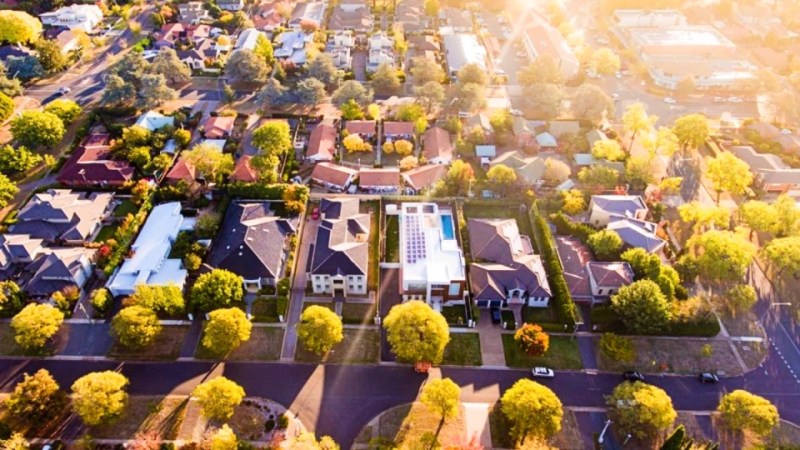
High debt-to-income loans will face tougher rules.
Who will be affected?
Housing Industry Association chief economist Tim Reardon has said the tighter restrictions could affect younger home-buyers and investors more than older generations.
“Older households who have seen their wealth rise due to property growth are well capitalised and unlikely to face any restriction in access to capital. However, younger people who are in a wealth accumulation phase will,” Reardon said.
“There are households in their 30s and 40s who purchase an investment property as part of their personal saving strategy. These types of investors are critical to a well-functioning housing market and boost the supply of rental properties.
“These interventions by APRA risk exacerbating the intergenerational inequity caused by rising home prices.”
Reardon also said that investors had an important part in housing availability.
“Investors play a critical role in solving Australia’s housing crisis and we need more investors building new homes, not fewer,” he said.
High price of our mortgages
APRA’s move came as data showed the high price households were paying to service mortgages as home prices climb.
Cotality’s Housing Affordability report, released last week, showed that the share of income required to pay a mortgage had nearly doubled in the past five years.
Nationally, it found that to paying a new mortgage required 45 per cent of the median household income. It also found that the median house value was now 8.9 times median incomes, up from 6.6 five years ago.
Republished from View.com.au
Want to see more stories from The New Daily in your Google search results?
- Click here to set The New Daily as a preferred source.
- Tick the box next to "The New Daily". That's it.