Not going back to the city: What tree-changers love about regional living


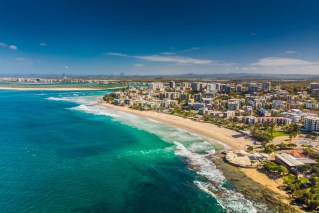
"We cut our expenses in half," Lindsay says of her family's decision to move to regional Australia. Photo: View.com.au
The pandemic-era “tree change” was meant to be a temporary exercise for Aussies keen on trading city skylines for wide open spaces, fresh air and a slower pace of life.
But the common story? A more permanent transition.
In 2020, Nerida Lindsay and her family made the move from buzzing Bondi to the majestic mid-north coast NSW. Like many Australians at the time, they were seeking space, simplicity and a break from the pressure cooker of city living.
Five years later, they’re not looking back.
“We live a relaxed lifestyle in an amazing community, and in paradise,” Lindsay said.
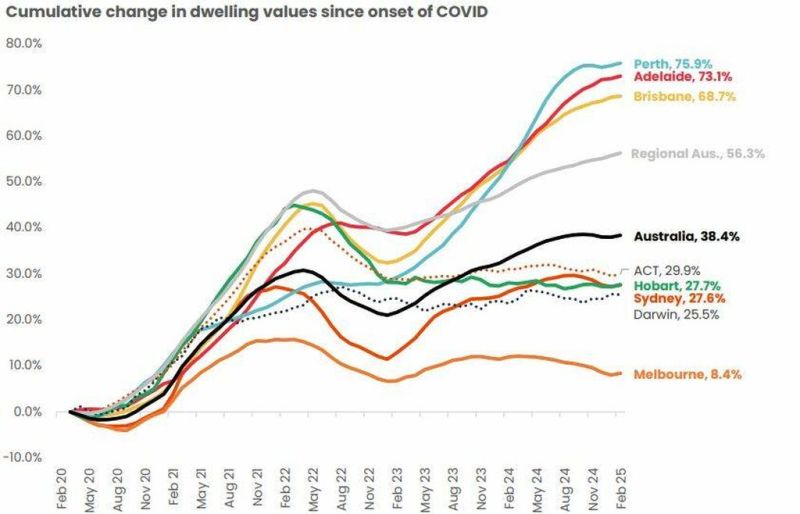
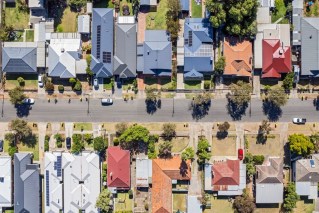
How regional property prices have fared compared to capital cities since the onset of Covid. Source: Cotality
The current regional market outlook
Cotality data reveals that from March 2020 to 2025, regional values rose more than 56 per cent.
Post-pandemic boom, the regions continue to show overall resilience. In the most recent two quarters, for example, they outperformed capital cities (1.6 per cent compared to 1.4 per cent).
Many metro and regional areas are also experiencing record highs, according to Cotality’s July Housing Chart Pack.
Regional areas in Queensland (77.7 per cent), Brisbane (78.8 per cent), Perth (74.8 per cent), South Australia (61.4 per cent), and Western Australia (53.6 per cent) lead the pack.
Other areas, such as Victoria, still offer opportunities.
Ray White Mildura managing director Damian Portaro said regional markets had a “consolidation phase” after the Covid surge, when prices flattened. But activity is ramping up again – particularly among investors.
“Regionally, we are experiencing an investor boom – and that would be putting it lightly,” he said.
Despite market fluctuations, interest in regional relocation continues to be driven by lifestyle, relative affordability and a lack of supply in metro areas.
More house for your money
Affordability is the obvious drawcard for those who’ve chosen a tree change.
But it’s about more than property prices – it’s about what your money actually buys.
Moving regionally gave Lindsay, her husband and three kids access to the kind of home and lifestyle that was out of reach in Sydney.
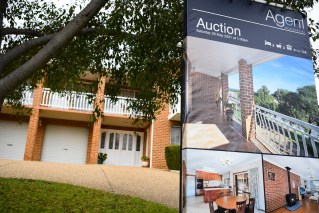
“In the area we’re in, the general rule is for half the price of a place in Sydney, you get two to three times the amount of space,” she said.
“It’s kind of crazy. Around here, for under a million dollars you can have a four-bedroom house with a backyard, garage – even a separate studio.”
In regional Victoria, Portaro shares similar sentiments.
“Property prices and value for money are definitely huge considerations [for relocation]. Double the land size and 50 per cent more house is attractive and regularly commented upon by tree-changers,” he said.
Rents tell a similar story
In Bondi in 2019, the Lindsay family paid $800 a week rent for an older-style apartment.
Their first rental on the NSW coast – a large four-bedroom home that backed onto rainforest – was just $425 a week.
Lindsay said that even when prices climbed after Covid, local rents remained under $700 a week – significantly less than for a comparable property in Australian capitals, as metro rents skyrocketed.
Cost of living: ‘We cut our expenses in half’
It’s not just the housing market that feels more accessible. Depending on the region, living costs can also drop dramatically.
“I’m quite sure we cut our expenses in half,” Lindsay said.
“We don’t do takeaway at all any more, we cook every meal. We still need daycare, but it’s much cheaper, and we don’t really have to pay for activities.
“It’s other little things, too: You don’t have to pay for parking here, or worry about how long you’ve left the car somewhere.”
Speaking of cars, that turned out to be an unexpected hit to the hip pocket.
“The only thing that brings up costs is the cars, because living regionally, a family has to have two cars,” Lindsay said.
“Petrol and car maintenance is very expensive, plus we have to pay double loan insurance and green slip and all of that, so that’s a big hit that you wouldn’t [necessarily] have in Sydney.”
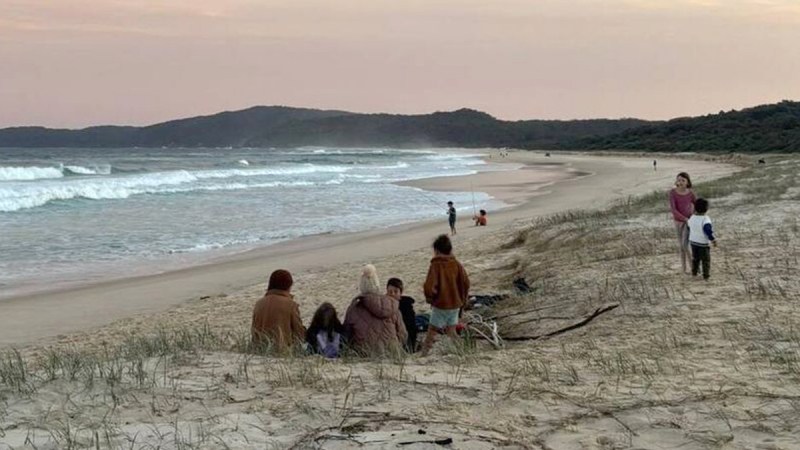
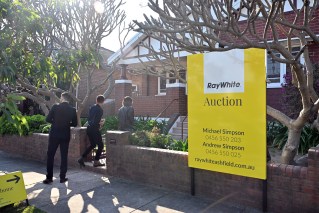
Simple and cost-effective pleasures have replaced expensive city activities. Photo: View.com.au
Stronger sense of community
For Lindsay and her family, regional life offers the kind of community connection that’s harder to come by in the city.
“You truly feel that you’re living in a community,” she said.
“When we go to the markets, we don’t have to stress or worry about where our kids are. Everyone knows your kids; everybody knows everyone.
“While everyone isn’t necessarily friends, if you need something, someone will always put their hand up to help. It’s an amazing way to live and a great way for kids to grow up.”
As if on cue, one of Lindsay’s children appears to ask when they are heading down to the beach for a sunset bonfire with friends.
Time over hustle
While the city might offer more choice in schools, specialists and extracurricular activities, regional life offers something many parents value more: Time.
“The kids might not have as much access to certain facilities and things that you would have in the city, but we are able to spend more time with them – to help do their homework, attend every assembly, help them with things that they need, or spend lots of time out in nature with them,” Lindsay said.
“If we lived in the city, I would have to work full-time and we’d both be working really long hours. The kids would be in before-school care, after-school care, and while that’s fine, it’s not what I personally wanted.”
Regional living has allowed the family to build a lifestyle that aligns with their values, albeit with some compromises.
Compromises and hurdles
What do you lose when you leave the city? For this family, it’s mostly about food.
“Food, restaurants, we 100 per cent miss. Our area is not the best for restaurants, which is very sad,” Lindsay said.
They’ve also had to work at staying connected with city friends. But the payoff is deeper quality time with the people who matter.
“When people visit, they stay with us and we really hang out,” Lindsay said.
“Last weekend I had two old friends come up with their kids – three mums and seven kids – and we had three days together. It was awesome.”
Another major hurdle can be work.
Lindsay said it could be tricky finding suitable jobs or fully remote work. Her husband runs a business that allows the couple to work remotely, something they’re aware isn’t possible for everyone.
Keen for a change? Consider this first
“We do often find people need more than one reason to move, like family, work, sport. We are not just one suburb away,” Portaro said.
“But once here, they stay. Our weather, community at large and lifestyle are appealing to those that have been caught up in the metro pace (and traffic!)”.
He advocates renting as a way to get to know a location before a final decision.
“Often renting first to understand the geographic [area] is ideal,” Portaro said.
“Where you want to live in metro areas might be determined by suburb, but regionally it can be by small pockets or even streets. Move two streets over and it can feel completely different.”
Lindsay recommends clarifying values and priorities.
“What are the things that are most important to you at this point in life? Then you can set your life up a certain way to support those values. For us, choosing to leave the city was the path to realising that vision,” she said.
Whatever your reasons, the feedback is clear: Regional living isn’t just a cheaper option, it’s a richer life.
This article first appeared on View.com.au. Read the original here
Want to see more stories from The New Daily in your Google search results?
- Click here to set The New Daily as a preferred source.
- Tick the box next to "The New Daily". That's it.