Inflation nears three-year high due to Iran oil shock

Source: AAP
Australia’s headline inflation rate climbed to 4.6 per cent in March – its highest level in 2½ years – after the Iran war ignited a surge in oil prices.
The jump in the Australian Bureau of Statistics’ annual consumer price index, from 3.7 per cent in February, is the first material sign of the impact of the Middle East conflict on Australia’s economy.
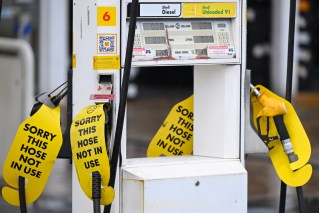
The effective closure of the Strait of Hormuz, through which about one-fifth of global oil transits, led to a 33 per cent surge in fuel prices over the month.
Federal Treasurer Jim Chalmers said Australians were paying a “hefty price” for the war in the Middle East.
“These are the costs and consequences of a major conflict on the other side of the world,” he said.
“It’s another reminder that, from an economic point of view, an enduring end to this war in the Middle East can’t come soon enough.”
However, he also warned inflation could rise even further before it began to fall. Treasury forecasts showed that inflation could peak higher than Wednesday’s number, but forecasts were still being finalised.
“We still have inflation substantially lower than what we inherited,” Chalmers said.
Master Builders SA said the latest jump in the consumer price index confirmed the severe cost pressures that were already hitting builders, contractors, and project owners.
“A combination of rising material prices, ongoing labour shortages, and higher financing costs has pushed many projects to the brink, with some at risk of delay or cancellation,” chief executive Will Frogley told InDaily.
“Combined with rising inflation, businesses cannot keep absorbing these increases. Cost escalations threaten housing supply and infrastructure delivery. ”
While Wednesday’s data confirms the Reserve Bank’s fears that already high inflation will rise further because of the oil disruption, the worst impacts for price growth are still to come.
Fuel is an input to goods and services across the economy and the majority of second-order impacts were yet to be felt in March.
The central bank’s preferred measure of underlying inflation, the quarterly trimmed mean, rose from 3.4 to 3.5 per cent.
In February, the RBA had forecast the trimmed mean to hit 3.7 per cent in June.
With the follow-on effects of the oil shock set to hit even harder in following months, the clear risk is that inflation will exceed the RBA’s forecast.
Electricity prices were 25.4 per cent higher than 12 months prior as a result of government subsidies ending.
ABS head of prices statistics Sue-Ellen Luke said annual headline inflation was the highest it had been since September 2023.
Before the inflation release, markets had priced in the chance of a rate hike at the RBA’s meeting next week at about three-quarters, with two hikes expected by Christmas.
Economists at all four big banks predict the RBA will lift the cash rate to 4.35 per cent on Tuesday.
-with AAP
Want to see more stories from The New Daily in your Google search results?
- Click here to set The New Daily as a preferred source.
- Tick the box next to "The New Daily". That's it.