‘Shocking energy’ tactic behind our spiralling bills

Source: Choice
Australia’s households are being stung hundreds of dollars every year in a “loyalty tax” on surging energy bills, analysis has revealed.
Analysis by the Climate Council released on Wednesday found that expensive gas and unreliable coal plants were largely to blame for surging bills in recent years.
But it also pointed the finger at systemic retailer misconduct. In the past 12 months alone, 14 energy companies breached consumer laws, costing Australians nearly $55 million in overcharging and misleading conduct.
Co-author Joel Gilmore said the report told a “pretty troubling story”. Beyond legal breaches, millions of customers are being penalised for staying with the same provider.
“We really should be putting our retailers on notice that we all expect better,” Gilmore said.
It’s a view echoed by consumer group Choice, which has launched a website for a mock energy company, called Shocking Energy, to highlight providers’ dodgy tactics.
“Shocking Energy’s mission is simple – to harness the power of confusion to keep energy costs rising. The mock retailer is a big fan of creating meaningless plan names, reused multiple times at different prices, making it nearly impossible for consumers to work out which deal is actually best,” Choice senior campaigns and policy adviser Jordan Cornelius said.
“What makes Shocking Energy different? Honesty. Shocking Energy openly admits its tactics are confusing, hopefully tricking customers into paying more on their energy bills.”
Choice said a survey last year of almost 400 energy bills found 64 examples of energy retailers telling customers to switch to plans with the same name. Those customers could have saved an average of $171 annually by shifting – even though the replacement plan had the same name.
“Choice research also found many consumers are switching plans or retailers far less often than every year,” Cornelius said.

Choice’s mock retailer is designed to highlight energy companies’ confusing tactics. Image Choice
He said the Australian Competition and Consumer Commission found in its latest electricity market inquiry that households that stayed on one plan for more than three years were paying an average of $221 more each year than those on newer plans.
Using NSW as an example, the consumer watchdog found an average household not on its retailer’s best plan could save about $300 a year simply by switching to the cheapest available option.
“People in the lowest income group were the least likely to believe cheaper rates may be available monthly, quarterly, or twice a year,” Cornelius said.
“Only 5 per cent of people think switching plans or providers every few months could help them get the best deal.”
Further adding to consumers’ confusion, Choice noted there were “a staggered” 145,500 different energy plans available in 2025 across the National Energy Market (Queensland, NSW, the ACT, Victoria, South Australia and Tasmania).
“If you wanted to switch to a new plan similar to the one you were on, you could have been offered up to 233 options,” it said.
“The only way to find a better deal is to continuously shop around and be prepared to switch providers.”
Electricity bills have surged for Australian households and businesses in the past five years – at the same time as they have been promised lower bills from renewables replacing coal.
Gilmore said understanding that contradiction was the goal of his Climate Council report.
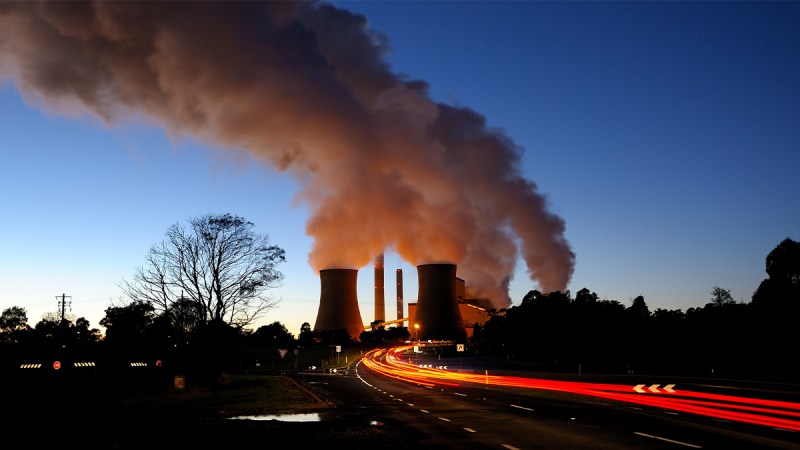
Australia’s coal-fired power plants are ageing and expensive to run and repair.
The CSIRO maintains renewables and storage are the cheapest substitutes for coal stations, which are old and will need replacing at great expense anyway. Yet as the transition has unfolded, gas plants – used during times of peak demand, such as in the evening – have become expensive to run.
Gas sets the price for other generation types up to 90 per cent of the time, despite contributing only 5 per cent of total power.
Gas prices surged after Russia invaded Ukraine in 2022. Despite having an abundance of the resource, Australians pay the elevated global price because the bulk our production is shipped overseas.
Energy expert Greg Bourne said multinational gas companies had made close to $100 billion in extra revenue since Ukraine was invaded.
“Gas is the stealthy price setter, tethering our household budgets to volatile and high-cost global markets,” he said.
Australia’s ageing fleet of coal-fired power stations are also drivers of higher prices as they are prone to breaking down, leaving the grid reliant on gas. Other drivers include a period of overbuilding poles and wires, influenced by state government fears of outages.
Energy Minister Chris Bowen confirmed on Wednesday that renewables are also helping to meet Australia’s climate commitments. Record-high solar and wind contributed to the 1.9 per cent emissions reduction in the year to September 2025.
-with AAP
Want to see more stories from The New Daily in your Google search results?
- Click here to set The New Daily as a preferred source.
- Tick the box next to "The New Daily". That's it.