Uncovered: The surprising hidden driver of customer loyalty


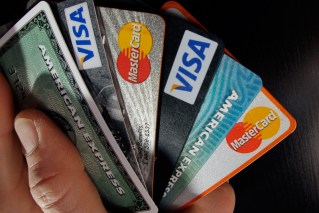
Research has found shoppers spend more with retailers who make them feel safe. Image: TND
Researchers have uncovered the No.1 reason for customer loyalty to a particular brand, finding today’s shoppers want to feel safe – and not just physically.
The Macquarie University study, published in the Journal of Business Research this week, found consumers keep the most faith with retailers who they also feel they can trust “digitally and emotionally”.
“Safety has always been a basic human need, but it’s now also a major factor in whether customers trust a brand and choose to buy from it,” Macquarie Business School’s Dr Syed Rahman, the first author of the study, said.
“Our findings show that when people feel protected from things like scams, unsafe stores, or online data misuse, their sense of wellbeing increases and so does their spending.”
The study drew on data from customers who shop via multiple channels, including physical stores, websites, apps and social media.
It identified 12 key dimensions of what it dubbed a Safe Customer Experience (SafeCX) – traditional factors such as security cameras and clear emergency exits, as well as modern touchpoints such as social media safety, safe delivery and pickup services, fraud protection and personal data protection.
If found that customers who rated retailers highly on these dimensions reported greater wellbeing and a higher “share of wallet” – that is, they spent more with those retailers and were more likely to recommend them to others.
The researchers said retailers could use a 12-question condensed version of their research topics as an audit to benchmark safety perceptions across stores, apps and delivery channels.
Regulators and policymakers could use it to measure customers’ perceived safety in retailing, benchmark performance across the sector, and track improvements over time.
“Safety is no longer just about compliance,” Rahman said.
“It’s a strategic investment that creates happier customers and stronger brands.”

The research fits with recent findings from pollster Roy Morgan. Earlier in October, it declared that Australia Post was the country’s “most trusted brand in services”.
“[It is] a brand that nearly all Australians use on a frequent basis. Australia Post has now notched up seven consecutive victories in the category and is rated highly by Australians as the ninth most trusted brand overall in 2025,” Roy Morgan said.
It also found that hardware giant Bunnings was Australia’s most trusted retail brand – also for a seventh consecutive year. Kmart was the most trusted among discount and department stores and Samsung the winner in the consumer product category, with Apple taking the tech brand title and Aldi our most trusted supermarket.
Notably, none of the Roy Morgan winners has been associated with tech fails and data breaches that have plagued some of Australia’s biggest brand names, including Optus, Qantas and Medibank.
Aldi, which was followed by IGA and the South Australian-headquartered Drakes Supermarket in the key supermarkets category, has also benefited as major rivals Coles and Woolworths have tumbled in customer satisfaction ratings amid suspicions of price-gouging during the recent cost-of-living crisis.
Bunnings and Kmart – both owned by Wesfarmers – triumphed despite recent scandals involving widespread breaches of customer privacy.
Last year, Privacy Commissioner Carly Kind found Bunnings had breached the Privacy Act by capturing the faces of every person who entered 63 of its stores in Victoria and NSW between November 2018 and 2021.
Earlier this year, Kmart was also found to have breached the same law by filming the faces of everyone who entered 28 of its outlets, and those who went to returns counters, between June 2020 and July 2022.
In 2023, Bunnings, Kmart and appliance retailer The Good Guys were reported to the Privacy Commissioner by consumer group Choice after an investigation found the widespread “capturing the biometric data of their customers” throughout their shops.
In a submission to a Productivity Commission review, Bunnings managing director Michael Schneider has since called for Australia’s privacy laws to be changed to allow the use of facial recognition in stores to reduce shoplifting and protect staff.
“These technologies are essential to protecting team members and customers from rising incidents of violent and threatening behaviour across the retail sector, and other losses that come from retail crime,” he said.
Want to see more stories from The New Daily in your Google search results?
- Click here to set The New Daily as a preferred source.
- Tick the box next to "The New Daily". That's it.