How the massive OPEC oil shake-up could affect petrol prices

The UAE's move will potently increase oil production. Photo: AAP
Australian motorists could eventually be beneficiaries of cheaper fuel after the United Arab Emirates decided to walk away from OPEC.
The gulf nation announced plans on Wednesday to withdraw from the Organisation of Petroleum Exporting Countries as soon as Friday.
OPEC is a group of oil-producing nations that coordinate production levels to maximise profits. It controls almost 80 per cent of the world’s proven reserves and produces about 40 per cent of global oil supply.
The UAE has long chafed at OPEC’s limits on its production, wanting to export much more oil to the world.
Kristian Coates Ulrichsen, Fellow for the Middle East at Rice University, said the UAE’s announcement followed years of divergence between Emirati and Saudi oil policies, as well as the growth of competitive rivalries between the two countries over wider regional questions.
“Unity in the face of Iranian attacks since then should not mask that underlying split, of which the UAE’s OPEC decision is merely the latest manifestation,” Ulrichsen said.
NRMA spokesman Peter Khoury said the UAE decision to quit the group would likely lead to cheaper petrol – but not until the Strait of Hormuz reopens.
“This frees [the UAE] up to increase their production. They have significant reserves and can do so,” Khoury said.
“That’s a positive thing for Australian drivers, because it will put downward pressure on global oil prices in the longer term.”
Assistant Treasurer Daniel Mulino said the federal government was closely monitoring the situation, but warned there were many moving parts to global oil supplies.
“It’s too early to tell how this particular measure will play out,” he told ABC Radio on Wednesday.
“What the Australian government’s clearly going to be supportive of is anything that improves the stability of supply.”

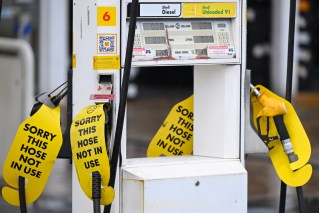
Motorists will wait for the Strait of Hormuz to open before fuel prices go down. Photo: AAP
The revelations came as the Coalition defended its new energy policy, which would force fuel companies to stockpile more petrol and diesel while pushing up prices at the bowser by about 1 cent a litre.
“We think that’s a reasonable premium to get another 30 days of storage,” Nationals Leader Matt Canavan told Nine’s Today program.
Canavan said the Coalition would also push to build a new refinery near Gladstone in Queensland to bolster Australia’s fuel security.
OPEC formed in 1960 as a way for the world’s primary oil producers to set production limits and therefore control the price of crude around the world.
Ulrichsen said that at its height in the mid- and late-1970s, OPEC had a powerful role in reshaping the balance of power between oil producers and consumers, and “countering Western dominance in a postcolonial setting of resource nationalisation”.
“Shorn of the constraints of OPEC quotas, which the Emiratis have chafed against for years, officials in Abu Dhabi will be able to increase production should it wish to do so once the impasse with Iran is broken and the Strait of Hormuz fully reopens,” he said.
-with AAP
Want to see more stories from The New Daily in your Google search results?
- Click here to set The New Daily as a preferred source.
- Tick the box next to "The New Daily". That's it.
RBA’s inflation warning stokes rate rise fears