Overall unemployment falls, but the jobs market remains weak


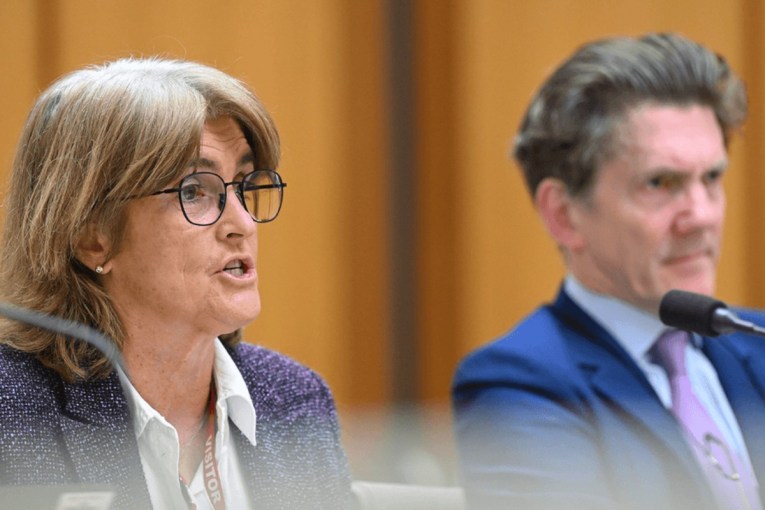
The sharp rise employment far exceeded expectations. Photo: AAP
In October, the unemployment rate fell to 4.3 per cent, down from 4.5 per cent, which will effectively rule out any remaining chance of an interest rate cut when the Reserve Bank monetary policy board meets next month.
But analysis of the figures suggests these figures may only be a brief moment of good news.
When the unemployment rate in September hit 4.5 per cent – up from 4.3 per cent in August – the governor of the Reserve Bank, Michele Bullock, argued it was a monthly spike and not to worry about it.
The latest October headline figures support that notion. Unemployment dropped to 4.3 per cent.

It was, however, not as big of a fall as that suggests – rounding helped make things look better.
The August unemployment rate was actually 4.25 per cent (rounded up to 4.3 per cent) and the September figure was 4.45 per cent (rounded up to 4.5 per cent) – that made for a 0.2 percentage point increase.
But in October the rate fell to 4.34 per cent (which gets rounded down to 4.3 per cent). So it looks like a 0.2 percentage point fall even though the rate dropped only 0.11 percentage points.
OK, but that nerdy maths aside, what was going on? After all employment in October rose 42,200, so it’s still good news, right? But who was getting jobs?
Well young people mostly, and very much young men.
This is why we might be wise to treat these figures less as a turning point and more of a little dip on the path upwards.
In October, 25,400 of the new people employed were men aged 15-24.
That this group accounted for 60 per cent of the new jobs seems a tad surprising given they account only for 8 per cent of all people employed.

It was the biggest jump in male 15-24 year old employment for nearly three years. Unfortunately, history suggests that such big jumps are usually followed by a big fall.
This doesn’t mean that young men are getting hired and fired like crazy, more that employment data – especially relating to a small cohort of workers – can be subject to rather large variations.
So, we shouldn’t get too spooked.
This is why it is good to look at what is going on with “prime-aged” workers – those aged 25-54 (although as one aged 53, I am starting to be a bit nervous about this definition and starting to think 25-64 is better).
Essentially, this looks at those generally no longer studying nor approaching retirement, and gets a good sense of what is really happening – much in the same way “core inflation” is used to get rid of the more erratic aspects of inflation.
Here the picture was less glorious. In October, male 25-54 employment rose just 0.05 per cent and employment among women aged 25-54 women was flat. And the annual growth of both remains below the average levels of the pre-pandemic years:
 And when we look at the unemployment rates of those aged 25-54 (and 25-64 just to make sure I am being counted!) it is clear that things are heading up, not down.

The unemployment rate of 25-64 year olds is now higher than it has been since November 2021.
So yes, the overall unemployment rate fell, and that is always good to see. But the core level of unemployment continues to rise, which is a worry given the Reserve Bank continues to be very unworried by people losing their jobs.
Dr Greg Jericho is the chief economist at the Australia Institute and the Centre for Future Work.
This article first appeared in The Point. Read the original here
Want to see more stories from The New Daily in your Google search results?
- Click here to set The New Daily as a preferred source.
- Tick the box next to "The New Daily". That's it.
RBA’s inflation warning stokes rate rise fears